Skip to content
Fast & Discrete Delivery Save up to 80%
In stock Diflucan
Antifungals

Diflucan

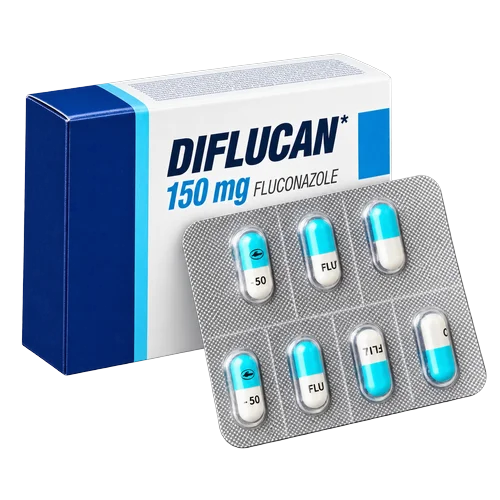
Diflucan is an oral antifungal medicine containing fluconazole for selected yeast and fungal infections, including vaginal candidiasis when systemic treatment is appropriate. How much to use and how…

Guaranteed quality Original product
Delivery: from 4 days Discreet shipping
24/7 Support Always available
Active ingredient: Fluconazole
Select dosage:
Select pack Package Per unit Price
AED 15.65 AED 469.64
AED 11.74 AED 939.28 AED 704.46 Save 25%
Free Regular Delivery AED 10.39 AED 1,408.92 AED 935.30 Save 34%
Free Regular Delivery AED 9.75 AED 1,878.56 AED 1,170.12 Save 38%
Free Express Delivery AED 9.07 AED 2,817.84 AED 1,631.80 Save 42%
Best value Free Express Delivery AED 8.65 AED 4,226.76 AED 2,336.26 Save 45%
AED 13.80 AED 413.92
AED 10.28 AED 827.84 AED 616.90 Save 25%
Free Regular Delivery AED 9.07 AED 1,241.76 AED 815.90 Save 34%
Free Regular Delivery AED 8.56 AED 1,655.68 AED 1,026.84 Save 38%
Free Express Delivery AED 7.94 AED 2,483.52 AED 1,428.82 Save 42%
Best value Free Express Delivery AED 7.56 AED 3,725.28 AED 2,041.74 Save 45%
AED 17.64 AED 529.34
AED 12.80 AED 1,058.68 AED 768.14 Save 27%
Free Regular Delivery AED 11.10 AED 1,588.02 AED 998.98 Save 37%
Free Express Delivery AED 10.31 AED 2,117.36 AED 1,237.78 Save 42%
Free Express Delivery AED 9.46 AED 3,176.04 AED 1,703.44 Save 46%
Best value Free Express Delivery AED 8.96 AED 4,764.06 AED 2,419.84 Save 49%
Free Regular Delivery AED 29.32 AED 879.58
Free Express Delivery AED 22.02 AED 1,759.16 AED 1,321.36 Save 25%
Free Express Delivery AED 19.63 AED 2,638.74 AED 1,767.12 Save 33%
Free Express Delivery AED 18.44 AED 3,518.32 AED 2,212.88 Save 37%
Free Express Delivery AED 17.20 AED 5,277.48 AED 3,096.44 Save 41%
Best value Free Express Delivery AED 16.38 AED 7,916.22 AED 4,421.78 Save 44%
AED 7.76 AED 465.66
AED 6.85 AED 698.49 AED 616.90 Save 12%
AED 6.43 AED 931.32 AED 772.12 Save 17%
Free Regular Delivery AED 6.04 AED 1,396.98 AED 1,086.54 Save 22%
Free Express Delivery AED 5.78 AED 2,095.47 AED 1,560.16 Save 26%
Best value Free Express Delivery AED 5.59 AED 2,793.96 AED 2,013.88 Save 28%

Free delivery on orders from AED 796.00, free express delivery from AED 1,194.00

Secure payment methods:
VISA AMEX JCB DISCOVER

Diflucan is an oral antifungal medicine containing fluconazole for selected yeast and fungal infections, including vaginal candidiasis when systemic treatment is appropriate. How much to use and how often depends on the purpose of use and is agreed with a doctor or pharmacist.

Overview

Diflucan is an oral antifungal medicine containing fluconazole, a triazole antifungal. It is intended for selected yeast and fungal infections, including vaginal candidiasis when systemic treatment is appropriate.

What it is used for

Diflucan may be prescribed for vaginal candidiasis and other susceptible mucosal or systemic fungal infections. The correct regimen depends on the site of infection, the species involved, kidney function, immune status, and previous treatment history.

Formulation

Diflucan contains fluconazole, a triazole antifungal. The capsule is taken by mouth and works against susceptible yeasts and other fungi. Fluconazole blocks fungal cytochrome P450-dependent enzymes, especially lanosterol 14-alpha-demethylase, reducing the production of ergosterol. Ergosterol is essential for the fungal cell membrane, so the organism becomes unable to grow normally [1]. The diagnosis and amount to use still depend on the infection being treated.

Diflucan may be prescribed for vaginal candidiasis and other susceptible mucosal or systemic fungal infections. The correct regimen depends on the site of infection, the species involved, kidney function, immune status, and previous treatment history.

Role of Fluconazole in Antifungal Therapy

Fluconazole remains a widely used oral option because it reaches useful concentrations in several body tissues and fluids. It is active against many Candida species, although resistance is more common with some non-albicans Candida species. A clinician may request testing or choose a different antifungal when symptoms recur, treatment fails, or the infection is unusually severe.

The capsule strength is commonly associated with an oral treatment for uncomplicated vaginal candidiasis. That schedule does not apply to every fungal infection.

Fluconazole can relieve fungal growth, but it does not treat bacterial vaginosis, trichomoniasis, or irritation caused by soaps and intimate products. Persistent symptoms need reassessment rather than repeated self-treatment.

Mechanism of action

Fluconazole is a triazole antifungal that blocks fungal cytochrome P450-dependent enzymes, especially lanosterol 14-alpha-demethylase. This reduces ergosterol production, and because ergosterol is essential for the fungal cell membrane, susceptible fungi become unable to grow normally.

How to use it

How much to use and how often depends on the purpose of use and is agreed with a doctor or pharmacist. Diflucan capsules are swallowed with water and may be taken with or without food. They should be used for the prescribed duration, even when symptoms improve sooner.

Typical clinical patterns include:

  • Uncomplicated vaginal candidiasis: an oral dose is commonly prescribed for suitable adults.
  • Recurrent, severe, mucosal, or systemic infection: treatment may require repeated doses or a longer course.
  • Reduced kidney function: the regimen may need adjustment, especially when more than one dose is prescribed.
  • Missed dose during a multi-dose course: take it when remembered unless the next scheduled dose is close; do not double the amount.

The capsule is not automatically suitable for every genital symptom. Pelvic pain, fever, foul-smelling discharge, sores, pregnancy, or frequent recurrences require medical assessment because the cause may be different or more complicated.

Administration Instructions for Oral Capsules

Swallow the capsule whole. Do not open it, crush it, or chew the contents unless a prescriber has provided a specific alternative instruction. Take repeated doses at evenly spaced times when a multi-day regimen has been prescribed.

A single-dose treatment can be convenient, but convenience does not confirm the diagnosis. In clinical practice, recurrent symptoms after treatment often indicate reinfection, resistant Candida, mixed infection, or a non-fungal cause.

If vomiting occurs soon after the capsule, do not automatically repeat the dose. The amount absorbed depends on timing, and taking another capsule may result in unnecessary exposure.

Comparison

Treatment choice depends on the infection, pregnancy status, previous response, interactions, and local resistance patterns.

Approach Main feature Typical clinical role
Oral fluconazole Systemic triazole antifungal Selected susceptible yeast infections
Topical azole therapy Applied locally Some uncomplicated vaginal infections
Echinocandin therapy Intravenous antifungal class Serious invasive candidiasis in hospital care

For uncomplicated vaginal candidiasis in a suitable non-pregnant adult, oral fluconazole may be selected for its simple dosing. Topical treatment may be preferred when systemic exposure is undesirable. In pregnancy, oral fluconazole is generally avoided for routine vaginal candidiasis, with local treatment selected according to clinical guidance [2].

Fluconazole is not interchangeable with every antifungal. A medicine that works against one Candida species may perform poorly against another, and laboratory susceptibility testing can become relevant in persistent or recurrent infection.

Common mistakes

Several practical errors can reduce the chance of an accurate treatment outcome:

  • Taking fluconazole for symptoms that have not been diagnosed as candidiasis.
  • Repeating a dose too soon because itching has not resolved immediately.
  • Using an old treatment schedule for a new episode.
  • Forgetting to mention warfarin, diabetes treatment, seizure medicines, statins, or heart-rhythm medicines.
  • Continuing after a severe rash or signs of liver injury.
  • Assuming that a partner automatically needs treatment without symptoms or clinical advice.
  • Treating repeated episodes without checking for recurrent candidiasis or another diagnosis.
  • Taking capsules from a multi-dose course at irregular intervals.

One subtle mistake is overlooking irritation from vaginal washes, fragranced products, or tight synthetic clothing. Removing the irritant may be as relevant as antifungal treatment when symptoms are mixed.

Who should not use it

This medication is not for you if you have had a serious allergic reaction to fluconazole or another azole antifungal. A prescriber also needs to assess medicines that can cause serious rhythm changes or interact with fluconazole metabolism.

Extra caution applies to people with:

  • Liver disease or previous liver injury linked to an antifungal.
  • Kidney impairment.
  • A history of prolonged QT interval, ventricular arrhythmia, or significant electrolyte disturbance.
  • Pregnancy, unless a specialist has identified a specific indication and regimen.
  • Breastfeeding, especially when repeated or high-dose treatment is being considered.
  • Previous severe skin reaction to a medicine.
  • Several medicines taken at the same time.

Fluconazole can inhibit CYP2C9, CYP2C19, and CYP3A4 enzymes. It may raise exposure to warfarin, some sulfonylureas, phenytoin, certain statins, ciclosporin, tacrolimus, and selected medicines affecting cardiac rhythm. The extent of interaction depends on the dose, duration, kidney function, and the other medicine involved [3].

When this is not for you

Do not use this medicine if you have ever had a serious allergic reaction to fluconazole or another azole antifungal. Tell a prescriber if you have liver or kidney problems, heart-rhythm problems, are pregnant or breastfeeding, have had a severe medicine-related skin reaction, or take several medicines at the same time.

Unwanted effects

Common adverse effects include headache, nausea, abdominal discomfort, diarrhoea, and changes in taste. These reactions are often mild, especially after a single dose, although individual tolerance varies. Clinical trial and regulatory data also describe dizziness, vomiting, rash, and abnormal liver enzyme results .

Most people who experience mild stomach upset can maintain fluids and use simple meals until the symptoms settle. Stop and seek urgent medical attention for facial swelling, breathing difficulty, blistering skin, widespread peeling, yellowing of the skin or eyes, dark urine, severe weakness, fainting, or a fast or irregular heartbeat.

Some rare reactions require urgent care.

  • Severe hypersensitivity or anaphylaxis.
  • Serious skin reactions, including Stevens–Johnson syndrome and toxic epidermal necrolysis.
  • Drug-induced liver injury.
  • QT prolongation and potentially dangerous heart-rhythm disturbance.
  • Seizures, reported rarely in association with adverse reactions or interacting factors.

A single 150 mg dose usually creates less cumulative exposure than a prolonged course, but serious reactions can occur after limited exposure. Anyone who develops a widespread rash should not take another dose until the reaction has been medically assessed.

A mild headache is different from a rapidly spreading rash, facial swelling, fainting, or yellow skin. The latter symptoms need urgent medical attention rather than an over-the-counter painkiller or another antifungal dose.

What doctors say

Clinicians generally view fluconazole as a useful targeted antifungal, not a universal treatment for genital discomfort. The best results occur when the symptoms match susceptible candidiasis and the prescribed regimen matches the severity of infection.

Doctors often see three avoidable patterns. Patients may repeat a 150 mg dose because itching has not disappeared within a few hours. Others may use fluconazole for every recurrence without confirming the cause. A third group stops a longer course early after the first improvement, allowing infection to persist.

Keep the date of the dose in your personal medicine record, especially if a clinician later needs to interpret liver tests, a rash, or a treatment failure.

What customers often ask

Can Diflucan capsules be split, crushed, or chewed?

Diflucan capsules should be swallowed whole with water. They should not be opened, crushed, or chewed because the contents are intended for oral administration as a complete capsule. FDA product information reviewed in 2021 describes fluconazole capsules as an oral dosage form with dose selection based on the infection and patient factors .

How long does a Diflucan course last, and is long-term use acceptable?

A 150 mg dose is often used once for uncomplicated vaginal candidiasis, while other infections may require several doses or a longer course. Long-term use can be appropriate for selected recurrent or invasive infections when a clinician monitors the response, liver function, kidney function, and interactions. The CDC guidance published in 2021 separates short treatment from recurrent and complicated candidiasis, so the duration should match the diagnosis rather than symptom severity alone.

Can Diflucan be combined with medicines or supplements?

Fluconazole can be combined with some treatments, but the full medicine list needs review first. Risks include increased concentrations of warfarin, phenytoin, tacrolimus, ciclosporin, selected statins, and some blood-glucose medicines. EMA product information for fluconazole describes these enzyme-mediated interactions and supports targeted review before treatment .

Is alcohol allowed while using Diflucan?

Alcohol does not create the same predictable enzyme interaction as some other anti-infective medicines, but combining it with fluconazole may worsen nausea, dizziness, headache, or fatigue. Alcohol can also make it harder to recognise whether a new symptom is a medicine reaction or intoxication. WHO antifungal guidance published in 2019 supports limiting avoidable factors that can complicate treatment assessment, especially during a prolonged course [4].

Can Diflucan affect driving, concentration, or work with machinery?

Some people experience dizziness, headache, or less commonly seizures while taking fluconazole. Avoid driving or operating machinery if these symptoms occur, and use extra caution after the first dose if you do not know how you respond. The FDA safety information reviewed in 2021 lists dizziness and seizures among reported adverse reactions, making symptom-based caution appropriate .

Do diet, exercise, or daily habits affect the result?

Food does not usually prevent fluconazole absorption, so the capsule may be taken with or without meals. Regular hydration, breathable clothing, and avoiding fragranced intimate products may reduce irritation, but these habits do not replace antifungal treatment when infection is confirmed. The CDC guidance from 2021 stresses diagnosis and appropriate duration for recurrent symptoms; exercise itself does not eradicate candidiasis.

Can Diflucan be used during pregnancy or breastfeeding?

Oral fluconazole should not be used routinely during pregnancy, especially for uncomplicated vaginal candidiasis, unless a clinician identifies a specific reason. Local treatment is commonly preferred for pregnancy-related vaginal candidiasis under clinical guidance. During breastfeeding, a single dose and repeated high-dose treatment have different exposure considerations, so the prescriber should assess the treatment plan; EMA information reviewed in 2022 describes pregnancy and lactation precautions for fluconazole .

Do you offer anonymous delivery?

Your order will be securely packed and shipped within 24 hours. This is exactly what your package will look like (images of an actual item sent). It has the size and look of a regular private letter (24x11x0.7 cm) and its contents cannot be seen.

Customer Feedback on Diflucan

Based on 5 reviews

Grace, 65 Verified
Rating: 5 out of 5

I took one 150 mg capsule after a familiar episode of thrush. The itching was still noticeable that evening, then eased over the next two days. I had a mild headache but no stomach upset.

Madinat Zayed 22 Oct 2026
Lina, 48 Verified
Rating: 3 out of 5

I took one 150 mg capsule, and the discharge improved within several days. Symptoms returned a month later, so the clinician arranged testing instead of simply repeating the same treatment.

Deira 29 Oct 2026
Joy Z., 37 Verified
Rating: 2 out of 5

I took one 150 mg capsule and had nausea for part of the first day. I felt disappointed because I expected immediate relief, and the irritation took several days to settle.

Sharjah 3 Oct 2026
Dana, 43 Verified
Rating: 4.5 out of 5

I was taking several regular medicines and mentioned them before starting a planned 150 mg dose. The prescriber chose a different plan because of a possible interaction, which avoided adding another problem.

Al Ain 13 Oct 2026
Hannah S., 68 Verified
Rating: 2 out of 5

The first 150 mg dose seemed helpful, but I developed a widespread itchy rash afterward. I stopped taking more and received urgent medical advice the same day. The reaction was taken seriously.

Ajman 7 Oct 2026

Sources

  1. U.S. Food and Drug Administration (2021). DIFLUCAN (fluconazole) prescribing information.
  2. Centers for Disease Control and Prevention (2021). Sexually Transmitted Infections Treatment Guidelines: Vulvovaginal Candidiasis.
  3. European Medicines Agency (2022). Fluconazole product information.
  4. World Health Organization (2019). WHO guidelines for the diagnosis, prevention and management of cryptococcal disease in HIV-infected adults, adolescents and children.
Get our free app Shop faster and track your orders 3.4 · 316 reviews Install