The first week brought heavy sleepiness, especially in the morning. My neurologist adjusted the timing, and my concentration improved after the early adjustment period.
Madinat Zayed Several months 22 Oct 2026
Mysoline
Mysoline supports ongoing seizure management for people with epilepsy and recurrent tonic-clonic or focal seizures. Its active ingredient, primidone, helps reduce excessive electrical activity in the…
Mysoline supports ongoing seizure management for people with epilepsy and recurrent tonic-clonic or focal seizures. Its active ingredient, primidone, helps reduce excessive electrical activity in the brain.
Overview
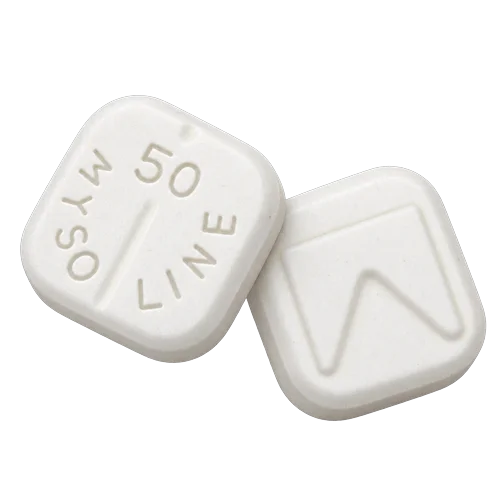
Mysoline is intended for people with epilepsy and recurrent tonic-clonic or focal seizures requiring ongoing anticonvulsant treatment. It contains primidone, which reduces excessive electrical activity in the brain. It is supplied as tablets.
What it is used for
Mysoline is prescribed for epilepsy when a clinician judges that primidone is suitable for the person’s seizure pattern. It may be used for generalised tonic-clonic seizures, formerly called grand mal seizures, and for some focal seizures with impaired awareness, formerly called psychomotor seizures.
Treatment decisions depend on:
- seizure type and frequency
- electroencephalogram findings
- age and body weight
- kidney and liver function
- other anticonvulsants already being used
- previous response to seizure treatment
- pregnancy status or pregnancy plans
The aim is sustained seizure control with the lowest dose that maintains benefit without unacceptable sedation or impaired coordination. The World Health Organization describes epilepsy as a neurological disorder requiring an individualised long-term treatment plan, not a single standard regimen for every patient [2].
A seizure diary can help clinicians distinguish missed doses, sleep deprivation, illness, alcohol exposure, and medication failure. Record the date, duration, warning symptoms, loss of awareness, movements, injuries, and recovery period.
Formulation
Mysoline contains primidone, a barbiturate-related anticonvulsant used to reduce seizure activity. Dosing differs between strengths and between users, so there is no single amount that suits everyone. Primidone acts directly in the central nervous system and is also converted by the body into active metabolites that contribute to seizure control.
The main pharmacological features are:
- Active ingredient: primidone
- Form: tablets
- Drug class: anticonvulsant with barbiturate-related activity
- Main clinical use: long-term management of selected seizure disorders
- Important metabolites: phenobarbital and phenylethylmalonamide, also called PEMA
Primidone is metabolised partly into phenobarbital and PEMA. Phenobarbital strengthens inhibitory signalling in the brain, while PEMA contributes to the total anticonvulsant effect. The exact balance between primidone and its metabolites differs between patients because liver metabolism, age, kidney function, and other medicines influence blood concentrations [1].
Metabolic pathway and active metabolites
Primidone reaches the brain and reduces neuronal excitability. Some of the dose is then transformed into phenobarbital and phenylethylmalonamide. Phenobarbital has a longer duration of action and may accumulate during regular treatment.
This metabolism explains why side effects may continue after the original primidone dose has been taken. It also explains why clinicians usually change the dose slowly rather than making large adjustments over a short period.
Mysoline belongs to an older anticonvulsant group. Its clinical value remains established, yet its sedative effects and interaction profile mean that newer medicines may be preferred for some seizure types.
Mechanism of action
Primidone reduces neuronal excitability in the central nervous system and limits excessive electrical activity associated with seizures. The body converts part of primidone into phenobarbital and phenylethylmalonamide, or PEMA. Phenobarbital strengthens inhibitory signalling in the brain, while PEMA contributes to the overall anticonvulsant effect.
How to use it
Mysoline dosing differs between strengths and between users, so there is no single amount that suits everyone. The prescriber normally starts with a low dose and increases it in stages according to seizure control and tolerability.
Key administration principles include:
- take the tablets at the prescribed times each day
- swallow the tablets with water unless a clinician gives different instructions
- keep the daily schedule consistent
- do not double the next dose after a missed dose
- take a missed dose when remembered unless the next scheduled dose is close
- never stop treatment suddenly
- do not change the dose because seizures have improved
Children, older adults, and people with reduced kidney or liver function may require slower adjustments. A patient who takes several anticonvulsants may also need a different titration plan because primidone and phenobarbital can affect the metabolism of other medicines.
The treatment course may be long term. Epilepsy management often requires months or years of therapy, and discontinuation is considered only after a sustained seizure-free period and a structured clinical review.
One practical mistake is judging the treatment after the first few tablets. Mild drowsiness or dizziness may improve as the body adapts, while seizure protection can require gradual titration. A second mistake is assuming that a tablet can be stopped once seizures disappear; the absence of seizures may show that treatment is working.
Comparison
| Active substance or approach | Typical clinical role | Practical distinction |
|---|---|---|
| Primidone | Selected focal and tonic-clonic seizure disorders | Metabolises to phenobarbital; sedation and enzyme interactions require attention |
| Carbamazepine | Many focal seizures and some generalised seizure patterns | Can cause dizziness, low sodium, rash, and substantial drug interactions |
| Lamotrigine | Focal and several generalised seizure disorders | Often less sedating, but dose escalation is slow because serious rash is possible |
| Levetiracetam | Focal and generalised seizure management | Few enzyme interactions; mood irritability can occur |
| Valproate | Several generalised seizure syndromes | Effective for some seizure types but requires major reproductive and metabolic precautions |
Phenytoin is another established anticonvulsant with concentration-dependent kinetics and a substantial interaction profile. Pregabalin and gabapentin are used more selectively for seizure treatment and are not interchangeable with primidone for every epilepsy syndrome.
The closest practical comparison is often between primidone and phenobarbital because primidone produces phenobarbital as an active metabolite. Lamotrigine or levetiracetam may be selected when lower enzyme induction or less sedation is desired. Carbamazepine may suit some focal seizure patterns, while valproate may be considered for selected generalised syndromes after reproductive and metabolic risks are assessed.
NICE guidance emphasises matching the antiseizure medicine to the seizure type and reviewing treatment when seizures continue or adverse effects interfere with daily life [4].
Common mistakes
Poor outcomes often result from routine problems rather than lack of pharmacological activity.
- taking doses at irregular times
- stopping after a seizure-free period without a taper
- doubling the next dose after forgetting one
- drinking alcohol while still adjusting to treatment
- driving before knowing the effect on alertness
- adding sedating medicines without checking for interaction
- failing to report a new rash
- treating severe vertigo as an unavoidable nuisance
- missing appointments after a dose change
- assuming every seizure means the medicine has completely failed
Sleep deprivation is another frequent trigger for breakthrough seizures. Shift work, overnight travel, illness, and repeated late nights can make seizure control less predictable.
A seizure lasting five minutes or longer, repeated seizures without recovery, breathing difficulty, or serious injury requires emergency care.
Who should not use it
Mysoline is not suitable for everyone. This medication is not for you if you have acute porphyria or a confirmed hypersensitivity to primidone, phenobarbital, or closely related barbiturate compounds.
Specific situations requiring careful clinical assessment include:
- acute intermittent porphyria or another acute hepatic porphyria
- previous serious reaction to phenobarbital or primidone
- significant liver disease
- significant kidney impairment
- respiratory disease with reduced breathing reserve
- depression, suicidal thoughts, or a history of self-harm
- pregnancy or plans to become pregnant
- breastfeeding
- treatment with multiple sedating medicines
Antiepileptic medicines may be associated with suicidal thoughts or behaviour. A new pattern of hopelessness, agitation, severe irritability, or thoughts of self-harm requires urgent clinical attention. Family members may notice mood changes before the patient recognises them.
Abrupt withdrawal is dangerous. Stopping Mysoline suddenly can trigger rebound seizures or status epilepticus, a prolonged or repeated seizure emergency. Withdrawal should follow a clinician-directed taper, even when the person has been seizure-free for a long period.
Primidone can interact with oral anticoagulants, hormonal contraceptives, corticosteroids, some antiviral medicines, and other anticonvulsants by increasing hepatic enzyme activity. Hormonal contraception may become less reliable, and alternative or additional contraception may be discussed.
When this is not for you
Mysoline may not be appropriate if you have acute porphyria, have previously had a serious reaction to primidone or phenobarbital, or have severe liver, kidney, or breathing problems. Tell a clinician before treatment if you are pregnant, breastfeeding, planning pregnancy, experiencing depression or thoughts of self-harm, or taking several medicines that cause drowsiness.
Unwanted effects
Mysoline can cause central nervous system effects because primidone and phenobarbital reduce neuronal excitability. Drowsiness, dizziness, vertigo, nausea, tiredness, poor coordination, and blurred or double vision may occur, especially during initiation or dose increases.
Common or clinically relevant reactions include:
- sedation and reduced alertness
- vertigo or unsteadiness
- nausea or loss of appetite
- headache
- blurred or double vision
- irritability or mood changes
- impaired concentration
- coordination problems
- skin rash
Acute vertigo can make stairs, driving, bathing, and walking on uneven ground more hazardous. Some people feel most affected shortly after a dose, while others notice persistent daytime sleepiness because phenobarbital remains active for a long time.
Rare but serious reactions require prompt medical attention:
- severe rash, blistering, or peeling skin
- swelling of the face, lips, or throat
- breathing difficulty
- unusual bruising or bleeding
- persistent fever, sore throat, or marked pallor
- severe confusion or loss of coordination
- new suicidal thoughts or major mood deterioration
Long-term anticonvulsant treatment can rarely be associated with blood abnormalities, including megaloblastic anemia. Folate treatment may be used when a clinician confirms folate deficiency or megaloblastic changes; self-starting folic acid should not replace blood testing and medical assessment.
Alcohol can intensify sedation and impair judgement. Combining Mysoline with sleeping tablets, opioid pain medicines, sedating antihistamines, or other central nervous system depressants can increase respiratory and coordination risks.

What doctors say
In clinical practice, neurologists usually judge Mysoline by seizure control, alertness, coordination, mood, and daily functioning together. A seizure-free result is valuable, but excessive sedation can make work, study, driving, and caring responsibilities unsafe.
The FDA prescribing information treats primidone as a medicine requiring gradual dose adjustment and caution with central nervous system depressants [3]. A physician will usually ask about missed tablets, alcohol, sleep quality, new medicines, pregnancy plans, falls, and changes in mood.
Blood tests may be used when symptoms suggest toxicity, adherence is uncertain, seizure control changes, or an interaction is suspected. Routine drug-level testing is not automatically required for every patient, but phenobarbital concentrations and other laboratory results can help in selected cases.
A practical clinical point is that seizure improvement does not prove that the underlying epilepsy has resolved. The medicine may be suppressing abnormal electrical activity. Stopping it without a plan can remove that protection.
What customers often ask
Can Mysoline be taken with food or on an empty stomach?
Mysoline tablets may generally be taken with food or without food, but taking each dose in the same way helps keep the routine consistent. Food may make nausea easier for some people, while others prefer taking the dose with water at a fixed time. The FDA product information available in 2023 supports consistent administration and warns against abrupt discontinuation. If nausea, vomiting, or poor absorption occurs, the prescribing clinician may adjust the plan.
Is Mysoline suitable for older adults?
Older adults may be more sensitive to sedation, vertigo, confusion, and impaired balance. Kidney and liver function, falls, memory changes, and other sedating medicines need review before and during treatment. WHO epilepsy guidance published in 2024 supports individualised treatment planning across age groups. A lower starting dose and slower adjustments may be appropriate for some older patients.
Which diet, exercise, or habits can help or hinder seizure control?
Regular sleep, steady meals, hydration, and moderate activity can support a predictable routine. Sleep deprivation, heavy alcohol intake, missed meals, illness, and repeated dose changes can make seizure control less stable. The Epilepsy Foundation’s patient guidance updated in 2024 also stresses medication adherence and trigger awareness. Exercise is usually compatible with epilepsy, but activities involving heights, deep water, or unsupervised machinery require an individual safety plan.
How does Mysoline differ from the closest alternatives?
Mysoline contains primidone, which is metabolised partly into phenobarbital and PEMA. Levetiracetam has a different pharmacological profile and generally causes fewer hepatic enzyme interactions, while lamotrigine is titrated slowly because of rash risk. European Medicines Agency product information dated 2023 shows why anticonvulsants cannot be selected by seizure control alone; interactions, pregnancy, mood, alertness, and organ function also influence the choice.
Can Mysoline affect driving, concentration, or machinery work?
Yes. Drowsiness, vertigo, blurred vision, slowed reaction time, and poor coordination can impair driving and machinery work. The UAE Ministry of Health and Prevention, or MOHAP, issued medicine-safety guidance in 2024, while clinical assessment determines individual fitness for driving and machinery work. Do not drive after starting treatment or changing the dose until alertness and coordination are predictable.
Which condition rules Mysoline out completely?
Acute porphyria is a clear contraindication because primidone may provoke a serious porphyric reaction. A confirmed severe hypersensitivity to primidone or phenobarbital also rules out treatment. FDA safety information from 2023 identifies these contraindications and reinforces the need to avoid abrupt withdrawal. Severe rash, facial swelling, or breathing difficulty during treatment requires urgent medical assessment.
How long does a Mysoline course last, and is long-term use acceptable?
Treatment may continue for months or years when it controls seizures and the benefits outweigh sedation, interactions, or other adverse effects. The duration is determined by seizure history, neurological findings, relapse risk, and response to treatment. NICE guideline NG217, published in 2022, recommends structured review when considering antiseizure medication withdrawal. Long-term use can be acceptable under ongoing clinical monitoring, but stopping suddenly is unsafe.
Do you offer anonymous delivery?
Your order will be securely packed and shipped within 24 hours. This is exactly what your package will look like (images of an actual item sent). It has the size and look of a regular private letter (24x11x0.7 cm) and its contents cannot be seen.
Sources
- U.S. Food and Drug Administration (2023). Mysoline (primidone) tablets prescribing information.
- World Health Organization (2024). Epilepsy: Fact sheet.
- U.S. Food and Drug Administration (2008). Antiepileptic drugs and suicidality: Drug Safety Communication.
- National Institute for Health and Care Excellence (2022). Epilepsies in children, young people and adults: diagnosis and management, NG217.