I had bruises around the catheter site and several small bruises on my arms during the first weeks. The cardiology clinic explained that I should not stop the tablets on my own. After that, I became more careful about painkillers and had no major bleeding.
Kalba During the first weeks 25 Oct 2026
Prasugrel
Prasugrel is used with aspirin to reduce harmful platelet clots during acute coronary syndrome treatment, especially around coronary stent procedures. It is intended for adults whose cardiologist has…
Prasugrel is used with aspirin to reduce harmful platelet clots during acute coronary syndrome treatment, especially around coronary stent procedures. It is intended for adults whose cardiologist has selected potent P2Y12 inhibition.
Overview
By blocking platelet activation, it lowers the risk of stent thrombosis and recurrent cardiovascular events.
What it is used for
Prasugrel is used in selected patients with acute coronary syndromes, including unstable angina, non-ST-elevation myocardial infarction, and ST-elevation myocardial infarction, when percutaneous coronary intervention and stent placement are planned.
Cardiovascular Indications
Prasugrel is prescribed for carefully selected patients with acute coronary syndromes who undergo coronary angiography and stent treatment. The clinical goal is to reduce stent thrombosis, recurrent myocardial infarction, and other ischemic complications.
It is not a general treatment for every type of stroke or chest discomfort.
Formulation
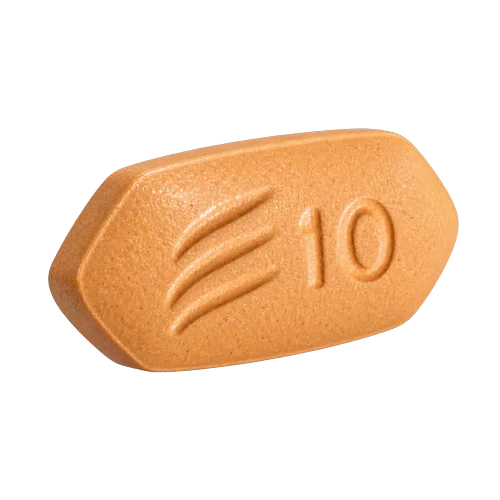
Prasugrel tablets contain prasugrel, an oral thienopyridine antiplatelet agent that blocks platelet activation and helps reduce harmful platelet clots.
Mechanism of action
After conversion to its active metabolite, Prasugrel irreversibly blocks the platelet P2Y12 receptor for adenosine diphosphate, also called ADP. This prevents platelet activation and reduces platelet aggregation. The effect lasts for the life of the affected platelet, so bleeding tendency can continue for several days after treatment stops. The mechanism is described in regulatory information from the U.S. Food and Drug Administration [1]. This irreversible action explains why platelet function does not recover immediately after a dose is stopped.
Prasugrel acts on platelets. It is not an anticoagulant such as warfarin or a direct oral anticoagulant. Antiplatelet treatment is aimed mainly at platelet-rich arterial clots, while anticoagulants interfere with clotting proteins in the coagulation cascade.
How to use it
Prasugrel tablets are taken by mouth and are used under an individual prescribing plan. The amount and frequency depend on the purpose of treatment and are agreed with a doctor or pharmacist. Treatment is commonly linked to a coronary intervention and is usually combined with aspirin when the cardiologist considers that combination appropriate.
The standard clinical regimen includes a one-time loading dose followed by a lower daily maintenance dose. The selected maintenance dose depends on factors such as age, body weight, bleeding risk, and the clinical setting. Lower body weight requires special caution because exposure to the active metabolite and bleeding risk may be higher. The European Medicines Agency describes these patient-selection and dose-adjustment principles in its product information [2].
- Take the tablet exactly at the prescribed frequency.
- Swallow it with water.
- Do not take extra tablets to compensate for a missed dose.
- Do not stop treatment independently after coronary stent placement.
- Report planned surgery, dental extraction, endoscopy, or invasive procedures before the appointment.
- Keep aspirin and every other antiplatelet or anticoagulant in the treatment plan unless the prescriber changes it.
A missed dose should be handled according to the timing of the next scheduled dose. Taking two doses together can increase bleeding risk. If a dose is missed, contact the prescribing clinic or pharmacist for patient-specific instructions rather than making up the dose independently.
Combination Regimen with Aspirin
Clinical trials and regulatory treatment protocols have evaluated Prasugrel with aspirin. Do not add over-the-counter aspirin to an existing regimen without confirming the intended total daily dose. Some cold remedies and pain products also contain aspirin or another non-steroidal anti-inflammatory drug.
Comparison
Prasugrel, Clopidogrel, and Aspirin affect platelet clotting through different pathways. Prasugrel and Clopidogrel are P2Y12 inhibitors. Aspirin inhibits platelet cyclooxygenase and is often used as part of dual antiplatelet therapy.
| Treatment | Main action | Clinical distinction |
|---|---|---|
| Prasugrel | Irreversible P2Y12 inhibition | Potent and consistent platelet inhibition in selected patients undergoing PCI, with higher bleeding concern |
| Clopidogrel | Irreversible P2Y12 inhibition | More variable activation and response; may be selected when Prasugrel is unsuitable |
| Aspirin | Cyclooxygenase-1 inhibition | Often combined with a P2Y12 inhibitor, but does not replace one in every coronary stent protocol |
Prasugrel is converted to its active metabolite through a more efficient metabolic pathway than Clopidogrel. Clopidogrel response can vary with CYP2C19 activity, other medicines, and individual metabolism. The TRITON-TIMI 38 trial found stronger ischemic protection with Prasugrel in selected acute coronary syndrome patients undergoing PCI, alongside increased major bleeding, including fatal bleeding [4].
Aspirin alone may be insufficient for the period after some coronary stent procedures. The choice among antiplatelet options depends on the type of acute coronary syndrome, bleeding risk, prior cerebrovascular disease, age, body weight, need for surgery, and the cardiologist’s assessment.
Common mistakes
Several mistakes can reduce the benefit of treatment or increase harm:
- Stopping Prasugrel after bruising without contacting the cardiology team.
- Taking a double dose after a missed tablet.
- Adding ibuprofen or naproxen for pain without checking the bleeding risk.
- Starting an aspirin-containing cold remedy while already using aspirin.
- Failing to tell a dentist or surgeon about current antiplatelet treatment.
- Assuming a minor nosebleed is always harmless when bleeding episodes are recurrent.
- Taking herbal products with possible antiplatelet effects without reporting them.
- Confusing Prasugrel with an anticoagulant and expecting it to treat an existing leg-vein clot.
- Forgetting to mention a past stroke or transient ischemic attack.
- Treating black stools as a food effect rather than a possible sign of gastrointestinal bleeding.
Do not crush, chew, or split a tablet unless the prescribing team has confirmed that the specific tablet can be handled that way. Altering a tablet can affect swallowing, dosing accuracy, or administration after a procedure.
Who should not use it
Absolute Contraindications
Prasugrel is not suitable for people with:
- Active pathological bleeding.
- A previous stroke or transient ischemic attack.
- Severe hepatic impairment.
- A known serious hypersensitivity to Prasugrel or one of its components.
- A clinical situation in which the bleeding risk outweighs the expected coronary benefit.
When this is not for you
Prasugrel is NOT for you if you have active bleeding, a previous stroke or transient ischemic attack, or another contraindication identified by your clinician. Older age increases concern about bleeding, and the benefit-risk balance requires careful review in people aged 75 years or more. A history of peptic ulcer disease, recent surgery, uncontrolled hypertension, kidney disease, or low platelet count can also change the treatment decision.
Prasugrel should not be started simply because someone has chest pain. Acute coronary syndrome requires urgent clinical evaluation, electrocardiography, blood tests, and a treatment decision based on the coronary anatomy and planned intervention.
Unwanted effects
The main safety concern with Prasugrel is bleeding. Bleeding may involve the nose, gums, digestive tract, urinary tract, skin, or a surgical site. Severe or fatal bleeding is described in the boxed warning of U.S. prescribing information [3].
Common clinical problems include:
- Easy bruising or larger bruises after minor knocks.
- Nosebleeds or bleeding from the gums.
- Prolonged bleeding from small cuts.
- Gastrointestinal bleeding, which may appear as black stools or blood in vomit.
- Anaemia caused by repeated or hidden blood loss.
- A fall in haemoglobin or haematocrit on laboratory testing.
- Rare but urgent intracranial bleeding.
Seek urgent medical attention for sudden weakness, facial drooping, confusion, severe headache, fainting, vomiting blood, black stools, blood in urine, or bleeding that does not stop with firm pressure. A small bruise is different from uncontrolled bleeding, but repeated large bruises should still be reported.
Some people develop bruising at the catheter-entry site after coronary angiography. Firm pressure and observation are commonly used after the procedure, but expanding swelling, severe pain, numbness, or continued bleeding needs prompt assessment.
What doctors say
In clinical practice, cardiologists usually frame Prasugrel as a time-sensitive stent-protection medicine rather than a general cardiovascular supplement. The benefit is strongest when the patient has an appropriate acute coronary syndrome diagnosis and the coronary procedure has been planned.
A cardiologist would usually explain three points:
- Platelet inhibition begins as part of the loading-and-maintenance treatment strategy.
- The antiplatelet effect persists after the last tablet because platelet inhibition is irreversible.
- Bleeding risk must be balanced against the risk of myocardial infarction or stent thrombosis.
Doctors also ask about upcoming operations, dental procedures, falls, alcohol intake, stomach ulcers, kidney disease, and medicines bought without a prescription. These details can change the timing of treatment or the choice of antiplatelet agent.
One practical issue receives less attention than it deserves: patients may remember the tablet but forget to mention it before surgery. The surgical team needs advance notice because stopping or continuing Prasugrel requires a coordinated decision.
What customers often ask
Is Prasugrel suitable for older adults?
Older adults can receive Prasugrel when the expected reduction in coronary clotting outweighs the bleeding risk. FDA prescribing information (2010) and European Medicines Agency guidance (2025) identify advanced age as a factor requiring careful selection, with extra concern in people aged 75 years or more. Age, body weight, previous stroke, kidney function, anaemia, and the planned coronary procedure all influence the decision. Treatment should follow the cardiologist’s individual assessment rather than age alone.
What should I do after a missed Prasugrel dose?
Do not take two tablets together after a missed dose. NHS antiplatelet safety guidance (2025) and standard cardiology practice support contacting the prescribing clinic or pharmacist when the missed dose is close to the next scheduled dose. The correct action depends on the treatment stage, the time since the missed tablet, and the date of any coronary procedure. Never compensate by adding an extra aspirin or another antiplatelet medicine.
Which diet, exercise, or habits help or hinder treatment?
The American Heart Association’s cardiovascular prevention guidance, reviewed in 2025, supports gradual physical activity, tobacco avoidance, blood-pressure control, diabetes management, and a heart-healthy eating pattern after coronary treatment. These measures support cardiovascular health but do not replace Prasugrel or aspirin after a stent. Avoid activities with a high risk of falls or traumatic injury until the cardiology team confirms that they are suitable. Limit unreported herbal products and avoid self-treatment with NSAIDs because they can increase bleeding risk.
Can I drink alcohol while using Prasugrel?
Alcohol can irritate the stomach, worsen falls, and increase the chance that bleeding will become clinically significant. NHS and cardiovascular prescribing guidance available in 2025 supports discussing alcohol intake openly when antiplatelet treatment is prescribed. A single drink may not create the same risk as heavy or frequent drinking, but the safe amount depends on liver health, ulcer history, other medicines, and personal bleeding risk. Avoid alcohol completely when it has previously caused falls, vomiting, liver problems, or poor adherence.
How soon does Prasugrel begin to affect platelets?
The FDA prescribing information (2010) describes a rapid antiplatelet effect after the loading regimen used in appropriate acute coronary syndrome care. The clinical benefit is not judged by how a person feels because reduced platelet aggregation usually produces no noticeable sensation. Protection against stent thrombosis depends on taking the prescribed regimen consistently, alongside the planned aspirin treatment. The effect also persists after stopping because inhibited platelets do not recover their function.
Can I drive, concentrate, or operate machinery while using Prasugrel?
Prasugrel does not usually cause direct sedation or impaired concentration, according to standard regulatory safety information from the EMA (2025). Driving and machinery work may still be unsafe if bleeding, anaemia, dizziness, fainting, chest pain, or a recent cardiac event affects performance. People recovering from PCI should follow the cardiology team’s advice about driving restrictions after the procedure. Seek urgent medical care for neurological symptoms rather than attempting to drive yourself.
What is the best time of day to take Prasugrel?
The best time is the time that fits the prescribed schedule and makes adherence reliable. FDA product information (2010) and EMA product information (2025) support consistent daily administration, with or without food unless the prescriber gives different instructions. Choosing the same routine after breakfast can help some patients remember, while others prefer an evening routine. Do not change the time repeatedly, skip doses before procedures, or stop treatment without a coordinated medical decision.
Do you offer anonymous delivery?
Your order will be securely packed and shipped within 24 hours. This is exactly what your package will look like (images of an actual item sent). It has the size and look of a regular private letter (24x11x0.7 cm) and its contents cannot be seen.
Sources
- U.S. Food and Drug Administration (2010). Effient (prasugrel) Prescribing Information
- European Medicines Agency (2025). Efient — Summary of Product Characteristics
- U.S. Food and Drug Administration (2010). Effient Medication Guide
- The New England Journal of Medicine (2007). Prasugrel versus Clopidogrel in Patients with Acute Coronary Syndromes