Skip to content
Fast & Discrete Delivery Save up to 80%
In stock Wynzora
Psoriasis

Wynzora

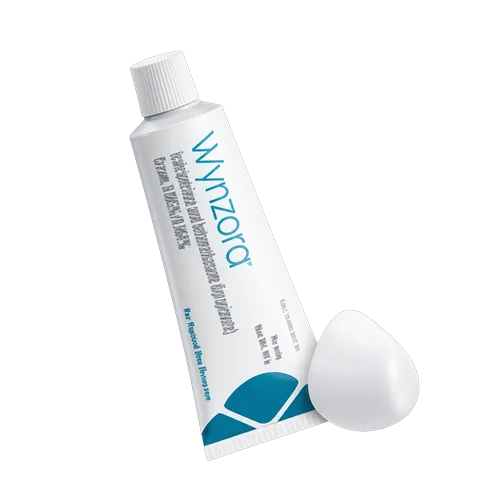
Wynzora contains calcipotriene and betamethasone dipropionate in a topical cream formulation. The combination is intended for plaque psoriasis and may be prescribed for scalp psoriasis when the…

Guaranteed quality Original product
Delivery: from 4 days Discreet shipping
24/7 Support Always available
Active ingredient: Calcipotriol, Betamethasone Dipropionate
Select pack Package Per unit Price
AED 513.42 AED 513.42
AED 364.17 AED 1,026.84 AED 728.34 Save 29%
Free Regular Delivery AED 313.09 AED 1,540.26 AED 939.28 Save 39%
Free Regular Delivery AED 288.55 AED 2,053.68 AED 1,154.20 Save 44%
Best value Free Express Delivery AED 274.62 AED 2,567.10 AED 1,373.10 Save 47%

Free delivery on orders from AED 796.00, free express delivery from AED 1,194.00

Secure payment methods:
VISA AMEX JCB DISCOVER

Wynzora contains calcipotriene and betamethasone dipropionate in a topical cream formulation. The combination is intended for plaque psoriasis and may be prescribed for scalp psoriasis when the affected area is suitable for topical treatment. It helps regulate abnormal skin-cell growth and reduce inflammation.

Overview

Wynzora contains calcipotriene and betamethasone dipropionate in a topical cream formulation. Calcipotriene regulates abnormal keratinocyte growth, while betamethasone dipropionate reduces inflammatory activity in psoriatic skin. It belongs to the category of topical combination treatments for plaque psoriasis.

What it is used for

Target Dermatological Conditions

Plaque psoriasis develops when skin cells mature and move to the surface too quickly. The result is a build-up of thickened skin covered by silvery or whitish scale. It can affect the elbows, knees, trunk, limbs, hands, feet, and scalp.

Scalp psoriasis may cause scale along the hairline, behind the ears, or across the scalp. Hair can make application more difficult, so a narrow parting and gentle application to the affected skin may be useful. Scratching can cause bleeding and may worsen irritation.

Wynzora is aimed at active plaques. It does not remove the underlying tendency to psoriasis, so symptoms can return after treatment ends.

Formulation

Wynzora contains calcipotriene and betamethasone dipropionate in a topical cream formulation. Calcipotriene regulates abnormal keratinocyte growth, while betamethasone dipropionate reduces inflammatory activity in psoriatic skin. The combination is intended for plaque psoriasis and may be prescribed for scalp psoriasis when the affected area is suitable for topical treatment.

The cream is used on psoriasis plaques rather than unaffected skin. Plaques commonly appear as raised, sharply defined areas with redness, thick scaling, dryness, itching, or cracking.

Component Pharmacological class Main role
Calcipotriene Vitamin D analogue Regulates keratinocyte proliferation and differentiation
Betamethasone dipropionate Topical corticosteroid Reduces inflammation, redness, itching, and immune activity

The precise amount applied differs between strengths and between users, so there is no single amount that suits everyone. Treatment should follow the prescribed regimen for the affected body areas.

Keep Wynzora away from the eyes, lips, mouth, and genital area unless a prescriber has given specific instructions for those sites.

Mechanism of action

Calcipotriene acts on vitamin D receptors in skin cells. It helps normalise keratinocyte proliferation and differentiation, limiting the excessive cell turnover that contributes to thick psoriatic plaques.

Betamethasone dipropionate is a potent topical corticosteroid. It suppresses several inflammatory pathways, including the release of mediators that contribute to redness, swelling, itching, and discomfort.

Together, the ingredients address two central features of plaque psoriasis: abnormal epidermal growth and inflammation. The FDA prescribing information describes calcipotriene and betamethasone dipropionate as complementary topical treatments for plaque psoriasis [1].

Wynzora differs from a corticosteroid-only cream because it also contains a vitamin D analogue. It differs from calcipotriene-only treatment because it adds a corticosteroid component for stronger anti-inflammatory action.

Do not apply extra cream to compensate for slow improvement. More topical corticosteroid can increase absorption and side-effect risk without producing proportionally better clearance.

How to use it

The amount of Wynzora depends on the prescribed strength, the location of psoriasis, the extent of the affected area, and the patient’s response. There is no universal amount suitable for every adult or every plaque.

Use involves the following practical steps:

  • Apply a thin layer to the affected psoriatic skin.
  • Rub it in gently until the cream is absorbed.
  • Avoid unaffected skin where possible.
  • Wash hands after application unless the hands are being treated.
  • Keep the cream away from the eyes, mouth, and mucous membranes.
  • Do not cover treated areas with a bandage or airtight dressing unless instructed.
  • Avoid applying it to infected skin unless the infection has been assessed and treated.
  • Use the cream for the prescribed duration rather than extending treatment independently.

If an application is missed, apply it when remembered unless the next scheduled application is close. Do not apply a double amount.

A practical problem occurs with scalp psoriasis. Patients may place cream on the hair instead of the scalp, which leaves the plaque undertreated. Parting the hair and applying a small amount directly to the skin gives better contact.

Wash hands after applying Wynzora to the scalp or body. This reduces accidental transfer to the eyes and prevents corticosteroid exposure on unaffected facial skin.

Comparison

The choice between topical approaches depends on plaque thickness, body location, treatment history, and the need to limit corticosteroid exposure.

Approach Main pharmacological action Common clinical limitation
Wynzora combination cream Controls inflammation and abnormal keratinocyte growth Requires corticosteroid precautions
Topical corticosteroid alone Rapid anti-inflammatory action Prolonged use may thin skin or cause rebound
Calcipotriene alone Regulates epidermal cell growth May cause irritation and may act more slowly on inflamed plaques

Combination treatment can be useful when plaques are both thickly scaly and inflamed. A vitamin D analogue alone may suit maintenance or steroid-sparing plans, while a corticosteroid-only approach may be selected for short periods of marked inflammation.

The treatment decision also changes by body site. Facial, groin, and skin-fold areas absorb corticosteroids more readily and often require different prescribing strategies. Scalp plaques may need careful application technique because hair interferes with skin contact.

Wynzora should not automatically replace a treatment plan for extensive, severe, or rapidly worsening psoriasis. Large-area disease may require dermatological assessment and a broader management strategy.

Common mistakes

Several everyday errors reduce the amount of active ingredient reaching the plaque:

  • Applying the cream to hair instead of scalp skin.
  • Using a thick coating in the belief that more cream works faster.
  • Applying it immediately before washing the area.
  • Covering treated skin with plastic or airtight clothing.
  • Continuing treatment on facial or groin skin without reassessment.
  • Using several corticosteroid products at the same time.
  • Stopping and restarting repeatedly without recording the pattern.
  • Forgetting to wash hands after application.
  • Applying it to an area that has become infected.
  • Treating every itchy patch as psoriasis without clinical confirmation.

One common mistake is spreading the cream far beyond the plaque. This increases exposure on normal skin and can make it harder to identify whether irritation is caused by the disease or the treatment.

Another is stopping as soon as scale decreases. Early improvement does not always mean the inflammatory process has fully settled. The prescribed course should be followed, with reassessment if symptoms persist or recur quickly.

Take a simple note of the areas treated and the days used. This helps prevent accidental double treatment when several plaques are present or when the course lasts multiple weeks.

Who should not use it

  • Known allergy to calcipotriene, betamethasone dipropionate, or an excipient.
  • Calcium metabolism disorders or a history of clinically significant hypercalcemia.
  • Untreated infections at the intended application sites.
  • Viral lesions such as herpes or chickenpox on the area.
  • Fungal infections that have not been treated.
  • Rosacea, perioral dermatitis, or acne at the application site.
  • Extensive facial or skin-fold use without specialist instructions.
  • Pregnancy or breastfeeding when the intended area or duration creates meaningful corticosteroid exposure.
  • Use on children unless specifically prescribed for that age group.

Tell the prescriber about other topical corticosteroids, oral corticosteroids, vitamin D medicines, calcium supplements, and medicines that affect calcium balance. Combining several corticosteroid products can increase total exposure even when each product is used on a different body area.

Calcipotriene-containing treatment should be used cautiously with high-dose vitamin D supplementation or other medicines that can raise calcium levels. The World Health Organization recognises medication review as a key part of preventing avoidable adverse effects during combination treatment [3].

When this is not for you

Wynzora is not suitable for everyone. This treatment is NOT for you if you have an untreated infection, a relevant allergy, or a condition affecting calcium balance. It should not be used on untreated bacterial, viral, fungal, or parasitic skin infections unless the infection has been specifically assessed and managed.

Unwanted effects

Topical reactions are possible with Wynzora. Burning, stinging, itching, redness, irritation, dryness, or worsening discomfort can occur at the application site. An application-site infection requires medical assessment, especially when there is increasing pain, warmth, swelling, pus, crusting, or fever.

Clinical information for calcipotriene and betamethasone preparations also reports headache and upper respiratory infection among observed adverse events. These symptoms do not always arise from the cream, so their timing and severity matter when assessing treatment.

Potential reactions include:

  • Irritation or burning where the cream is applied.
  • Itching or redness.
  • Folliculitis or inflamed hair follicles.
  • Skin thinning after excessive or prolonged corticosteroid exposure.
  • Stretch marks or visible superficial blood vessels.
  • Changes in skin pigmentation.
  • Worsening psoriasis after abrupt or inappropriate discontinuation.
  • Raised calcium levels or increased urinary calcium with excessive calcipotriene exposure.
  • Adrenal suppression after substantial corticosteroid absorption.

Skin thinning may be subtle. A shiny appearance, easy bruising, increased sensitivity, or visible small vessels can be early clues. The risk rises when potent corticosteroids are applied to thin skin, large areas, broken skin, or covered skin.

The product labeling identifies hypercalcemia, hypercalciuria, and hypothalamic-pituitary-adrenal axis suppression as risks associated with excessive exposure to the active ingredients [2].

If a treated plaque becomes sharply more painful, develops pus, or spreads redness beyond the original area, pause self-directed escalation and obtain prompt clinical assessment for infection.

Systemic Safety Warnings and Metabolic Risks

Calcipotriene can increase calcium absorption or alter calcium regulation when excessive quantities are absorbed. Hypercalcemia may cause nausea, constipation, weakness, unusual thirst, frequent urination, confusion, or abnormal heart rhythm. Hypercalciuria refers to excess calcium in urine and may increase the risk of urinary complications.

Betamethasone dipropionate can be absorbed through the skin. Absorption is more likely with large treatment areas, prolonged use, damaged skin, occlusive coverings, or application to thin skin. Systemic corticosteroid exposure may suppress the hypothalamic-pituitary-adrenal, or HPA, axis.

HPA axis suppression means the body temporarily reduces its own cortisol production. The risk is greater when a potent corticosteroid is used over extensive areas or for longer than prescribed.

Routine laboratory monitoring is not required for every person using a topical course. A clinician may consider calcium or adrenal assessment when exposure is extensive, treatment is prolonged, symptoms suggest systemic absorption, or the patient has risk factors affecting calcium or adrenal function.

What doctors say

Dermatologists commonly assess three factors before continuing a topical corticosteroid combination: the percentage of body surface affected, the location of plaques, and the duration of treatment. A small elbow plaque and widespread trunk disease require different monitoring.

A physician would also examine whether the apparent psoriasis is infected, severely cracked, or behaving differently from the patient’s usual flare. Infection can make a plaque more painful and may change the treatment plan.

The first visible response may be reduced redness or scale rather than complete clearance. Some patients notice improvement within the first week, while thicker or longstanding plaques need longer treatment.

Consistency matters, but repeated unscheduled applications are not a substitute for reassessment. If symptoms do not improve within the planned period, or if the disease returns immediately after stopping, the prescriber may adjust the regimen or consider another treatment strategy.

A useful clinical distinction is between treatment of a flare and prevention of recurrence. Wynzora is used for active plaque psoriasis; a separate maintenance plan may be considered after the flare settles.

What customers often ask

Can Wynzora be combined with calcium or vitamin D supplements?

Calcium supplements, high-dose vitamin D, and other treatments that influence calcium balance deserve review before combining them with Wynzora. Calcipotriene may contribute to raised calcium levels when exposure becomes excessive, so unnecessary supplementation can increase concern. The FDA product labeling from 2022 supports caution with medicines that may alter calcium metabolism. Keep the prescriber informed of supplement names and doses rather than assuming that non-prescription products cannot interact.

Does Wynzora cause skin thinning?

Skin thinning is a recognised risk of prolonged or excessive topical corticosteroid exposure, especially on the face, skin folds, or covered skin. Betamethasone dipropionate is a potent corticosteroid, so the risk depends on the treated area, frequency, duration, and absorption conditions. WHO medication-safety guidance from 2019 supports limiting potent topical corticosteroids to the prescribed sites and course. Shiny skin, easy bruising, or visible small vessels should prompt a treatment review.

How soon can Wynzora’s effect become noticeable?

Some clinical studies of calcipotriene and betamethasone combinations have reported visible improvement within the first week, while thicker plaques may take longer to respond. NICE psoriasis guidance published in 2017 describes treatment response as variable according to plaque thickness, body site, and adherence. Reduced scale or itching may appear before complete flattening or colour improvement. Lack of progress, spreading disease, or rapid relapse warrants reassessment rather than repeated extra applications.

How should Wynzora be applied, and should hands be washed afterwards?

Apply a thin layer to the affected skin, avoiding the eyes, mouth, and untreated areas. Use the prescribed amount for the specific strength and body area, then wash the hands unless the hands themselves are being treated. Do not cover the area with an airtight dressing, and avoid transferring the cream to the face or other sensitive sites. The FDA product labeling from 2022 supports careful application and hand hygiene to reduce unintended exposure.

Do you offer anonymous delivery?

Your order will be securely packed and shipped within 24 hours. This is exactly what your package will look like (images of an actual item sent). It has the size and look of a regular private letter (24x11x0.7 cm) and its contents cannot be seen.

Customer Feedback on Wynzora

Based on 5 reviews

Divya, 60 Verified
Rating: 4.5 out of 5

The scale became less noticeable during the first week, and the itching settled before the redness did. I found the cream easier to use than a greasy ointment, although I still needed to remember the evening application.

Dubai Several weeks 30 Sep 2026
Lina, 65 Verified
Rating: 3.5 out of 5

My scalp improved, but applying it through the hair took patience. I initially placed too much on the hair itself, so the second week I made small partings and worked more carefully.

Al Nahda The second week 10 Oct 2026
Grace, 67 Verified
Rating: 3.5 out of 5

The patches looked calmer after several applications. I experienced mild stinging on one cracked area, which improved after the skin healed, but I did not increase the amount when the first improvement was slow.

Al Ain 14 Oct 2026
Salma M., 27 Verified
Rating: 3 out of 5

The cream was convenient and did not leave the heavy residue I expected. A small area became irritated, so I stopped applying extra product and had the site reviewed before continuing.

Ras Al Khaimah 24 Oct 2026
Maria, 50 Verified
Rating: 3 out of 5

The first course helped the thick scale, but the psoriasis returned later. It controlled the flare, though it did not prevent every recurrence, and I needed a separate plan for maintenance.

Al Barsha 28 Oct 2026

Sources

  1. U.S. Food and Drug Administration (2022). Wynzora (calcipotriene and betamethasone dipropionate) cream: Prescribing Information.
  2. DailyMed (2022). Wynzora — calcipotriene and betamethasone dipropionate cream: Drug Label Information.
  3. World Health Organization (2019). Medication Safety in Polypharmacy: Technical Report.
Get our free app Shop faster and track your orders 3.4 · 316 reviews Install