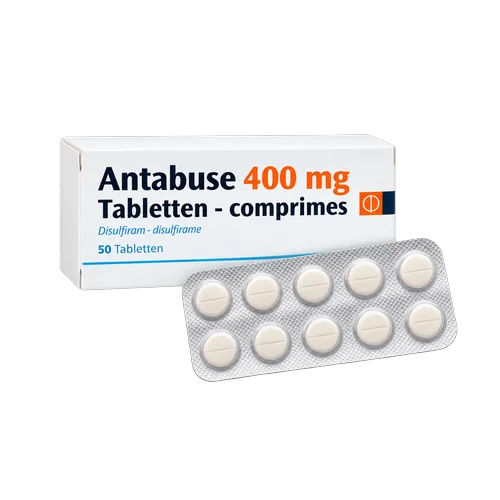
I used the prescribed 400 mg dose of Antabuse after repeated weekend drinking. The first month went better than expected because the reaction risk made me pause before reaching for alcohol. I still needed counselling because the tablet did not remove stress-related cravings.
Liwa 22 Oct 2026
Antabuse
Antabuse is intended for adults with alcohol use disorder who can maintain abstinence and follow a supervised treatment plan. Its active ingredient, disulfiram, creates a strong deterrent by making…
Antabuse is intended for adults with alcohol use disorder who can maintain abstinence and follow a supervised treatment plan. Its active ingredient, disulfiram, creates a strong deterrent by making alcohol consumption physically unpleasant and potentially dangerous.
Overview
Alcohol use disorder may require structured behavioural support alongside a medicine that creates a strong deterrent to drinking. Antabuse contains disulfiram, which changes alcohol metabolism and can produce an intense physical reaction when alcohol is consumed. It is intended for adults who can maintain abstinence and follow a supervised treatment plan.
What it is used for
Antabuse is intended for adults with alcohol use disorder who are able to avoid alcohol and follow structured behavioural support with supervised treatment. It is used to support abstinence by producing an intense physical reaction if alcohol is consumed.
Formulation
Antabuse tablets contain disulfiram, an alcohol-aversive medicine used in the treatment of alcohol use disorder. The product form is a 400 mg tablet, and the pack contains 50 tablets. Disulfiram does not remove alcohol dependence by itself; its role is to make drinking physically unpleasant and potentially dangerous, which can reinforce a clear decision to remain alcohol-free.
The FDA describes disulfiram as an aldehyde dehydrogenase inhibitor. This enzyme normally helps convert acetaldehyde into acetic acid after the body processes ethanol. When disulfiram blocks aldehyde dehydrogenase, acetaldehyde accumulates rapidly after alcohol exposure, producing the characteristic disulfiram–alcohol reaction [1].
Role of Disulfiram in Enzyme Inhibition
After alcohol enters the body, alcohol dehydrogenase first converts ethanol into acetaldehyde. Aldehyde dehydrogenase then breaks acetaldehyde down. Disulfiram interrupts the second stage. The result is not an alcohol craving treatment in the same way as a receptor-blocking medicine. It creates a behavioural barrier: drinking can lead to flushing, pounding heartbeat, nausea, vomiting, headache, breathlessness, dizziness, and low blood pressure. The reaction may be severe even when the amount of alcohol seems small.
Antabuse works best when the person understands the reaction and takes the tablet as part of a wider treatment plan that may include counselling, relapse-prevention work, family support, and monitoring.
Mechanism of action
The FDA describes disulfiram as an aldehyde dehydrogenase inhibitor. This enzyme normally helps convert acetaldehyde into acetic acid after the body processes ethanol. When disulfiram blocks aldehyde dehydrogenase, acetaldehyde accumulates rapidly after alcohol exposure, producing the characteristic disulfiram–alcohol reaction [1].
After alcohol enters the body, alcohol dehydrogenase first converts ethanol into acetaldehyde. Aldehyde dehydrogenase then breaks acetaldehyde down. Disulfiram interrupts the second stage. The result is not an alcohol craving treatment in the same way as a receptor-blocking medicine.
How to use it
- Dose: the exact disulfiram dose in mg is not provided; use only the amount prescribed for the individual.
- Frequency: the number of tablets per day is not provided and must follow the supervised treatment plan.
- Timing: the timing in relation to meals or time of day is not provided; follow the prescribed instructions.
- Duration: continue only for the duration set in the supervised treatment plan.
- Route: take the Antabuse tablets by mouth.
- Avoid alcohol while using Antabuse, because disulfiram changes alcohol metabolism and alcohol consumption can cause an intense, potentially dangerous physical reaction.
Comparison
Antabuse uses aversion therapy. Other treatments target reward pathways, alcohol craving, relapse risk, or the neurological changes associated with withdrawal and abstinence. The appropriate option depends on liver function, kidney function, opioid use, seizure risk, pregnancy status, treatment goals, and the person’s ability to maintain abstinence.
| Treatment option | Main mechanism and therapeutic goal |
|---|---|
| Antabuse — disulfiram | Inhibits aldehyde dehydrogenase and creates a strong physical deterrent to alcohol consumption |
| Naltrexone or acamprosate | Naltrexone reduces alcohol reward and craving; acamprosate supports maintenance of abstinence through glutamate and GABA modulation |
| Topiramate or other specialist options | Neuromodulation may reduce heavy drinking and craving but can bring cognitive, neurological, or metabolic adverse effects |
Receptor Antagonists and Neuromodulators
Naltrexone is an opioid-receptor antagonist. It can reduce the rewarding effects of alcohol and may help some people reduce heavy drinking or prevent a return to drinking. It is unsuitable for people using opioid analgesics because it can block opioid effects and precipitate withdrawal.
Acamprosate is used to support abstinence after detoxification. It does not create an alcohol reaction. Kidney function affects its suitability, and treatment usually works best when the person has already stopped drinking.
Topiramate affects several neural pathways and may reduce heavy drinking in selected patients. Possible limitations include slowed thinking, tingling, appetite changes, mood effects, and kidney stone risk. Contrave contains naltrexone and bupropion, but it is designed for weight-management treatment rather than serving as a routine alcohol-use-disorder regimen.
WHO guidance supports a combination of psychosocial care and pharmacological treatment for alcohol use disorder, while treatment selection remains individualised [4]. Antabuse may suit a person who wants a clear external deterrent and can commit to complete abstinence. Naltrexone or acamprosate may fit different clinical goals.
Common mistakes
Several practical mistakes can reduce the benefit of Antabuse or increase harm:
- Starting the first tablet too soon after drinking.
- Assuming beer or wine are the only alcohol sources.
- Using alcohol-containing mouthwash, cough syrup, or liquid supplements.
- Stopping liver monitoring because the first few weeks were uneventful.
- Ignoring tingling, numbness, visual changes, or dark urine.
- Doubling the next tablet after a missed dose.
- Taking metronidazole without mentioning disulfiram.
- Treating Antabuse as withdrawal treatment instead of arranging appropriate withdrawal care.
- Sharing tablets with a family member who has a similar drinking problem.
- Expecting the medicine to manage cravings without counselling or relapse planning.
If a dose is missed, the person should not automatically double the next dose. The prescriber or dispensing service should provide the specific missed-dose instruction, especially when the timing of the next dose is uncertain.
Who should not use it
Antabuse is not suitable for everyone. The decision depends on liver health, neurological history, current medicines, alcohol exposure, and the person’s ability to remain abstinent.
Disulfiram should not be combined with metronidazole. The combination has been associated with acute neuropsychiatric reactions, including confusion, agitation, hallucinations, and psychotic symptoms. The interaction is separate from the alcohol reaction and can occur without drinking alcohol [3].
Other medicines also require review. Disulfiram may affect the handling or response to warfarin, phenytoin, isoniazid, certain sedatives, and some tricyclic antidepressants. It may increase drowsiness with central nervous system depressants. People using anticoagulants, seizure medicines, tuberculosis treatment, or sedating medicines need a specific medication review before starting.
Doctors use added caution when there is diabetes, epilepsy, kidney disease, thyroid disease, asthma, peripheral neuropathy, optic disease, or a history of psychosis.
When this is not for you
Antabuse is not for you if:
- You are currently intoxicated or have recently consumed alcohol.
- You cannot avoid alcoholic drinks and hidden alcohol sources.
- You have severe liver disease or active disulfiram-related liver injury.
- You have serious coronary artery disease, severe heart failure, or unstable cardiovascular disease.
- You have psychosis or a severe psychiatric condition that could worsen with disulfiram.
- You have had a serious allergic reaction to disulfiram.
- You are taking metronidazole or have taken it recently without a prescriber’s review.
- You use alcohol-containing medicines or preparations that cannot be replaced.
Alcohol-containing preparations are also relevant. Some cough syrups, liquid supplements, tinctures, mouthwashes, and topical products contain ethanol. The risk comes from the alcohol exposure, not only from drinking beer, wine, or spirits.
Unwanted effects
Disulfiram can cause adverse effects even when alcohol is completely avoided. Common problems include tiredness, headache, drowsiness, metallic or garlic-like taste, unpleasant breath, nausea, skin rash, and mild digestive discomfort. These effects may improve as the body adjusts, but persistent or worsening symptoms require medical review.
The most important longer-term concern is liver injury. Disulfiram-associated hepatitis can appear during the first weeks or months of treatment, although clinically significant injury is uncommon. Severe liver injury can progress rapidly, so symptoms should not be ignored. LiverTox identifies disulfiram as a recognised cause of clinically apparent drug-induced liver injury [2].
Hepatic Monitoring and Neurological Risks
A doctor generally considers liver function before treatment and repeats testing during therapy. Monitoring becomes more important when there is previous liver disease, abnormal liver enzymes, viral hepatitis, heavy alcohol-related liver damage, or use of other medicines that affect the liver.
Urgent symptoms include:
- Yellowing of the skin or whites of the eyes.
- Dark urine or unusually pale stools.
- Persistent loss of appetite.
- Severe nausea or vomiting.
- Pain beneath the right ribs.
- Marked tiredness, itching, or confusion.
Peripheral neuropathy is another recognised risk. It may feel like burning, tingling, pins and needles, numbness, weakness, or reduced sensation in the feet and hands. Optic neuritis is uncommon but serious; blurred vision, reduced colour vision, eye pain, or a sudden change in sight needs prompt medical assessment.
Psychiatric symptoms can also occur. Mood changes, irritability, anxiety, hallucinations, or unusual behaviour require medical attention, especially if they appear soon after starting treatment or after a dose change.
What doctors say
In clinical practice, doctors usually present Antabuse as a commitment-based treatment rather than a tablet that removes the desire to drink. The medicine can support abstinence, but it does not treat withdrawal, repair alcohol-related organ damage, or replace counselling.
A prescriber will usually establish that alcohol has been cleared from the body before treatment begins. Starting disulfiram while alcohol remains in the system can trigger a reaction. The clinician also reviews liver history, current medicines, cardiovascular health, neurological symptoms, and the person’s support system.
Supervised dosing may be considered when adherence is uncertain. This does not mean the medicine is suitable for coercive use. The person should understand the reaction, agree to treatment, and know how to avoid hidden alcohol.
MOHAP guidance and local prescribing practice place emphasis on safe medicine use, clinical assessment, and appropriate monitoring. EMA pharmacovigilance principles also support prompt reporting of suspected liver, neurological, visual, or psychiatric adverse effects.
The main limitation is simple: Antabuse only helps when alcohol is avoided. A person who continues drinking while taking it faces a potentially dangerous reaction rather than a controlled reduction in craving.
What customers often ask
Which symptoms mean stopping Antabuse and seeking urgent medical help?
Yellow skin, dark urine, severe abdominal pain, confusion, collapse, chest discomfort, breathing difficulty, or repeated vomiting require urgent medical assessment. New loss of vision, eye pain, marked weakness, or progressive numbness also needs prompt review. FDA safety information from 2009 identifies hepatic, neurological, cardiovascular, and visual symptoms as clinically significant concerns. These symptoms should not be managed by simply skipping one dose and waiting.
Can people under 18 use Antabuse?
Antabuse should not be given to anyone under 18 unless a specialist service has made a specific decision based on the individual clinical situation. Alcohol use disorder in adolescents requires assessment of safeguarding, mental health, family factors, neurodevelopment, and withdrawal risk. WHO guidance published in 2024 supports age-appropriate psychosocial and medical care rather than unsupervised self-treatment. A parent or carer should not give an adult’s tablets to a teenager.
Can Antabuse be combined with sleep medicines or supplements?
Sedating medicines, sleep aids, opioid pain medicines, and some antihistamines may increase drowsiness or impair coordination when used with disulfiram. Alcohol-containing herbal drops and liquid supplements can also trigger the disulfiram–alcohol reaction. The 2024 British National Formulary and EMA safety information support a full medicine review before combining disulfiram with other treatments. A supplement should not be assumed to be alcohol-free simply because it is labelled herbal.
How does Antabuse differ from naltrexone by mechanism?
Antabuse contains disulfiram, which blocks aldehyde dehydrogenase and creates an aversive reaction after alcohol exposure. Naltrexone blocks opioid receptors and can reduce the rewarding effects and craving associated with alcohol. Naltrexone does not produce the disulfiram–alcohol reaction, but it cannot be used safely with ongoing opioid treatment. NICE guidance updated in 2014 describes these medicines as options requiring selection according to clinical circumstances, treatment goals, and contraindications.
What should happen if the expected result does not come?
If drinking continues or cravings remain strong, the treatment plan needs reassessment rather than an unsupervised dose increase. The clinician may review adherence, hidden alcohol exposure, withdrawal history, depression, anxiety, trauma, sleep, social triggers, liver function, and the suitability of another pharmacological approach. WHO treatment guidance from 2023 supports combining medication with psychosocial interventions and follow-up. Persistent drinking while taking Antabuse creates reaction risk and should prompt timely clinical review.
Do you offer anonymous delivery?
Your order will be securely packed and shipped within 24 hours. This is exactly what your package will look like (images of an actual item sent). It has the size and look of a regular private letter (24x11x0.7 cm) and its contents cannot be seen.
Sources
- U.S. Food and Drug Administration (2009). Antabuse (disulfiram) prescribing information.
- National Institute of Diabetes and Digestive and Kidney Diseases (2020). Disulfiram — LiverTox: Clinical and Research Information on Drug-Induced Liver Injury.
- European Medicines Agency (2022). Guideline on good pharmacovigilance practices: Product- or population-specific considerations.
- World Health Organization (2023). Global alcohol action plan 2022–2030 to strengthen implementation of the Global Strategy to Reduce the Harmful Use of Alcohol.