Skip to content
Fast & Discrete Delivery Save up to 80%
In stock Contrave
Weight Loss

Contrave

Contrave is prescribed for chronic weight management in adults with obesity or overweight plus a weight-related condition. It combines naltrexone hydrochloride and bupropion hydrochloride to help…

Guaranteed quality Original product
Delivery: from 4 days Discreet shipping
24/7 Support Always available
Active ingredient: Bupropion
Select pack Package Per unit Price
AED 28.06 AED 561.18
Free Regular Delivery AED 26.67 AED 841.77 AED 799.98 Save 5%
Free Express Delivery AED 26.00 AED 1,683.54 AED 1,560.16 Save 7%
Free Express Delivery AED 25.56 AED 2,525.31 AED 2,300.44 Save 9%
Free Express Delivery AED 24.11 AED 3,367.08 AED 2,893.46 Save 14%
Free Express Delivery AED 23.35 AED 5,050.62 AED 4,202.88 Save 17%
Free Express Delivery AED 22.64 AED 7,575.93 AED 6,113.28 Save 19%
Best value Free Express Delivery AED 20.36 AED 10,101.24 AED 7,331.16 Save 27%

Free delivery on orders from AED 796.00, free express delivery from AED 1,194.00

Secure payment methods:
VISA AMEX JCB DISCOVER

Contrave is prescribed for chronic weight management in adults with obesity or overweight plus a weight-related condition. It combines naltrexone hydrochloride and bupropion hydrochloride to help reduce appetite and control food cravings alongside diet and physical activity.

Overview

Contrave is an anti-obesity prescription treatment for adults who need medical support with long-term weight management. It combines naltrexone hydrochloride and bupropion hydrochloride to reduce appetite and help control food cravings alongside diet and physical activity.

What it is used for

Contrave is intended for adults with obesity or for adults who are overweight and have at least one related condition, such as type 2 diabetes, abnormal blood lipids, or high blood pressure. It is not intended for children or adolescents.

The medicine is used under prescription because the naltrexone and bupropion combination can affect blood pressure, mood, seizure threshold, opioid response, and several liver enzymes.

WHO describes weight management as a long-term process in which dietary patterns, movement, sleep, and medical treatment may all contribute [4].

Formulation

Each Contrave prolonged-release tablet contains naltrexone hydrochloride and bupropion hydrochloride. The product combines an opioid-receptor antagonist with a norepinephrine/dopamine-reuptake inhibitor. Dosing differs between strengths and between users, so there is no single amount that suits everyone.

Mechanism of action

The product combines an opioid-receptor antagonist with a norepinephrine/dopamine-reuptake inhibitor. This dual action is designed to influence appetite signals in the hypothalamus and reward-related eating in the mesolimbic system.

Bupropion Hydrochloride increases the activity of norepinephrine and dopamine in selected brain pathways. These neurotransmitters participate in motivation, food-related reward, and appetite regulation. Bupropion is classified pharmacologically as a norepinephrine/dopamine-reuptake inhibitor, although its complete weight-management mechanism is more complex than this description alone.

Naltrexone Hydrochloride blocks opioid receptors. In appetite-regulation pathways, opioid signalling can reinforce the rewarding effect of eating. Blocking these receptors may reduce the reinforcement associated with food, especially when combined with bupropion’s effect on hypothalamic neurons.

The active metabolite 6-beta-naltrexol also contributes to naltrexone’s opioid-receptor activity. Its role helps explain why opioid exposure is a central safety issue with Contrave. The FDA prescribing information describes the combination’s pharmacology, dose escalation, contraindications, and monitoring requirements [1].

Tell the prescriber about any opioid pain medicine, cough medicine, diarrhoea treatment, or opioid-dependence treatment before starting Contrave. Naltrexone can block opioid effects and may complicate urgent pain control.

The combination is intended to address two connected behaviours: physiological hunger and reward-driven cravings. It does not directly increase calorie expenditure in the way a stimulant might, and it should not be treated as a rapid appetite suppressant.

How to use it

Contrave prolonged-release tablets are taken by mouth. The standard adult schedule increases gradually to improve tolerability, especially during the first weeks when nausea, headache, dizziness, or insomnia may appear.

The usual escalation schedule is:

  • one tablet in the morning.
  • one tablet in the morning and one tablet in the evening.
  • two tablets in the morning and one tablet in the evening.
  • two tablets in the morning and two tablets in the evening, if prescribed and tolerated.

Dosing differs between strengths and between users, so there is no single amount that suits everyone. A prescriber may adjust or stop treatment when adverse effects, medical conditions, or treatment response require a different approach.

Swallow each tablet whole with liquid. Do not crush, chew, or divide prolonged-release tablets. Breaking the tablet can alter release characteristics and expose the body to bupropion too quickly, which may increase adverse effects and seizure risk.

Do not take more than the scheduled dose after a missed tablet. Skip the missed dose and continue with the next planned dose. Taking extra tablets to compensate increases the risk of nausea, agitation, high blood pressure, and seizures.

Taking the evening dose too close to bedtime can worsen insomnia. A prescriber may set the second dose earlier in the evening when the standard timing disrupts sleep.

Food can affect bupropion exposure. The FDA label permits administration with food but advises avoiding a high-fat meal because it may increase exposure to the active ingredients.

Comparison

Contrave differs from medicines that act mainly through gastrointestinal hormones or from single-agent appetite treatments. The choice depends on medical history, treatment goals, contraindications, tolerability, and response.

Approach Main pharmacological action Practical limitation
Contrave Naltrexone blocks opioid receptors; bupropion affects norepinephrine and dopamine pathways Unsuitable with chronic opioid use, seizure disorders, or uncontrolled hypertension
GLP-1 receptor agonist Mimics glucagon-like peptide-1, slowing gastric emptying and increasing satiety Gastrointestinal effects and injection requirements may limit use
Single-agent bupropion or naltrexone Acts through only one component of the combined pathway The approved weight-management combination has a different evidence and dosing framework

Contrave may appeal to patients who prefer tablets and whose eating pattern includes strong cravings or reward-driven snacking. A GLP-1 receptor agonist may be preferred when diabetes management, pronounced appetite suppression, or a different metabolic profile is central to the treatment plan. Bupropion alone and naltrexone alone are not interchangeable with the approved combination schedule.

The main advantage of Contrave is its dual central-nervous-system action in a tablet formulation. Its limitations include nausea, sleep disturbance, possible blood-pressure elevation, and the inability to use opioid analgesics normally during treatment. Weight loss should be assessed against the prescriber’s target and not judged by appetite changes during the first few days.

Common mistakes

Several practical errors reduce tolerability or create avoidable risk:

  • Increasing the dose faster than the four-week schedule.
  • Taking missed tablets together.
  • Crushing or chewing prolonged-release tablets.
  • Taking the evening dose at bedtime despite insomnia.
  • Using opioid painkillers without informing the prescriber.
  • Combining Contrave with another bupropion-containing product.
  • Continuing treatment despite uncontrolled blood pressure.
  • Treating nausea by skipping meals and becoming dehydrated.
  • Stopping suddenly after mood changes without urgent clinical advice.
  • Assuming that reduced appetite means diet quality no longer matters.

Do not use Contrave to compensate for repeated binge eating without addressing the eating pattern itself. A structured plan for meals, sleep, stress, and physical activity makes treatment easier to evaluate.

Who should not use it

Contrave is not suitable for everyone. This medication is not for you if any of the following applies:

  • Uncontrolled hypertension.
  • A current or previous seizure disorder.
  • Anorexia nervosa or bulimia.
  • Current use of an opioid analgesic, opioid cough or cold medicine, opioid-dependence treatment, or an opioid-containing diarrhoea medicine.
  • Acute opioid withdrawal.
  • Use of another bupropion-containing product.
  • Use of a monoamine oxidase inhibitor within the required washout period.
  • A previous allergic reaction to naltrexone, bupropion, or an excipient.
  • Severe liver impairment or severe kidney impairment where the prescriber considers treatment unsuitable.

Contrave should not be started during pregnancy for weight-loss treatment. Weight loss provides no expected benefit during pregnancy and may harm fetal development. Breastfeeding also requires a specific clinical decision because naltrexone and bupropion pass into breast milk.

Monoamine oxidase inhibitors must not be combined with Contrave. Examples include selegiline and linezolid. A suitable washout period is required after stopping an MAOI before Contrave begins, and the prescriber must also consider the interval when switching away from Contrave.

Interaction decisions depend on the full medication list, dose, kidney and liver function, and treatment timing [3].

When this is not for you

Do not use Contrave if you have uncontrolled blood pressure, a current or previous seizure disorder, anorexia nervosa or bulimia, or an allergy to naltrexone or bupropion. It is also not suitable if you are taking opioid pain, cough, diarrhoea, or dependence-treatment medicines, another bupropion-containing product, or a monoamine oxidase inhibitor.

Patients with controlled hypertension still require blood-pressure monitoring. Extra caution is needed with a history of head injury, brain tumour, stroke, diabetes treated with insulin or medicines that lower glucose, bipolar disorder, psychosis, or medicines that lower the seizure threshold.

A person who may need emergency surgery or opioid pain relief should tell the treating team that they take naltrexone. Opioid analgesics may work poorly, while attempts to overcome the blockade with high opioid doses can cause life-threatening toxicity when the blockade diminishes.

Unwanted effects

The most frequently reported adverse effects include nausea, constipation, headache, vomiting, dizziness, dry mouth, diarrhoea, and insomnia. Nausea is often most pronounced during dose escalation. In clinical trials, nausea affected roughly one-third of treated participants, while constipation, headache, and insomnia were also reported regularly [2].

Other possible effects include anxiety, irritability, abdominal discomfort, increased heart rate, raised blood pressure, sweating, tremor, and taste disturbance. The bupropion component can produce activation or difficulty sleeping, while naltrexone may contribute to nausea and abdominal symptoms.

The first week is often hardest. Symptoms may ease as the body adapts, but persistent vomiting, severe abdominal pain, marked agitation, or rapidly worsening insomnia requires prompt medical review.

Serious reactions need urgent attention:

  • New suicidal thoughts, severe mood change, unusual aggression, hallucinations, or manic symptoms.
  • A seizure, fainting episode, or severe confusion.
  • A significant allergic reaction involving facial swelling, breathing difficulty, or widespread hives.
  • Severe headache, chest pain, palpitations, or a major rise in blood pressure.
  • Symptoms suggesting liver injury, including yellowing of the skin, dark urine, pale stools, or persistent pain under the right ribs.

Bupropion carries a warning about suicidal thoughts and behavioural changes, especially during treatment changes. Adults with depression, bipolar disorder, previous suicide attempts, or recent changes in antidepressant treatment require careful clinical assessment.

A urine drug screen may require explanation because bupropion has been associated with false-positive amphetamine results in some testing methods. Tell the testing clinician that you take bupropion before the result is interpreted.

Alcohol may worsen dizziness, mood changes, seizures, or impaired coordination. Sudden heavy alcohol withdrawal can also raise seizure risk. Regular heavy drinking should be discussed before treatment begins.

What doctors say

Doctors generally present Contrave as a structured weight-management treatment, not as a quick solution for appetite. The strongest practical benefit often appears when the medicine is paired with planned meals, protein and fibre intake, regular movement, and strategies for evening or stress-related eating.

A clinician will usually assess progress after the dose-escalation period. If a meaningful response is not achieved after the appropriate treatment interval, continuing indefinitely may expose the patient to adverse effects without enough benefit. Treatment decisions should include weight trajectory, waist measurement, blood pressure, mood, sleep, and metabolic markers.

Patients with a history of depression may need closer mood monitoring because bupropion can alter activation, anxiety, sleep, and suicidal thinking. A patient may feel more motivated while still eating enough to maintain weight; that pattern deserves review rather than an automatic dose increase.

What customers often ask

Which diet, exercise, and daily habits support Contrave treatment?

A reduced-calorie eating plan, regular physical activity, adequate sleep, and planned meals support treatment. WHO guidance discussed in 2024 links long-term weight management with food quality, movement, sleep, and behavioural support. Contrave may help control cravings, but frequent alcohol intake, irregular meals, severe sleep restriction, and prolonged inactivity can make progress harder. A practical approach is to track hunger, cravings, sleep, and weight together rather than judging the medicine from appetite alone. A clinician can use these records to adjust the plan.

Which condition rules out Contrave completely?

A seizure disorder is a clear contraindication because bupropion can lower the seizure threshold. The FDA safety information current in 2025 also lists uncontrolled hypertension, bulimia, anorexia nervosa, opioid use, and recent MAOI treatment among situations that prevent safe use. A previous seizure caused by fever or childhood illness still deserves discussion because the prescriber must assess the complete history. Do not begin treatment after an online symptom check if any of these conditions may apply.

What is the best time of day to take Contrave?

The usual schedule places doses in the morning and evening, with gradual escalation across four weeks. FDA prescribing information reviewed in 2025 supports avoiding administration at bedtime when insomnia occurs. Taking the evening dose earlier may help, but the schedule should remain consistent and should not be changed by doubling or clustering tablets. A high-fat meal should be avoided because it can raise exposure to the active ingredients.

What should be checked before starting Contrave?

Before treatment, the prescriber should review blood pressure, seizure history, eating disorders, opioid exposure, pregnancy or breastfeeding, mental health, liver and kidney function, and every current medicine. MOHAP guidance from 2025 also supports clear medication reconciliation when a drug affects blood pressure, mood, or opioid response. Mention recent antidepressant changes, sedative withdrawal, heavy alcohol use, and planned surgery. These details can change whether treatment begins and how closely it is monitored.

How does Contrave differ from a GLP-1 receptor agonist?

Contrave combines naltrexone and bupropion, acting through opioid-receptor blockade and norepinephrine/dopamine pathways. GLP-1 receptor agonists act through incretin receptors that influence satiety, gastric emptying, and glucose regulation. EMA obesity guidance available in 2025 describes these as different pharmacological approaches with different contraindications and adverse-effect patterns. The most suitable option depends on diabetes status, gastrointestinal tolerance, injection preference, blood pressure, opioid use, seizure risk, and treatment response.

How long does one Contrave dose keep working?

Contrave is formulated for prolonged release and is prescribed as a twice-daily regimen after titration, rather than as a single tablet expected to control appetite for a full day. The FDA label in 2025 describes the schedule as morning and evening dosing, with the total daily amount divided between those doses. Effects on cravings may fluctuate with sleep, meals, stress, and dose timing. Do not extend the interval or take an extra tablet when appetite returns.

Do you offer anonymous delivery?

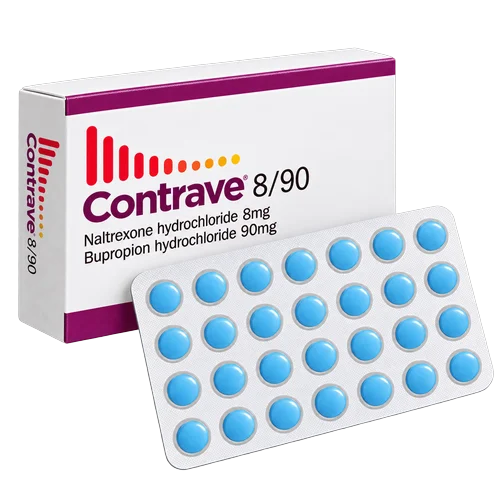
Your order will be securely packed and shipped within 24 hours. This is exactly what your package will look like (images of an actual item sent). It has the size and look of a regular private letter (24x11x0.7 cm) and its contents cannot be seen.

Comparison

Weight Loss: all medicines side by side

Which diet, exercise, and daily habits support Contrave treatment?

A reduced-calorie eating plan, regular physical activity, adequate sleep, and planned meals support treatment. WHO guidance discussed in 2024 links long-term weight management with food quality, movement, sleep, and behavioural support. Contrave may help control cravings, but frequent alcohol intake, irregular meals, severe sleep restriction, and prolonged inactivity can make progress harder. A practical approach is to track hunger, cravings, sleep, and weight together rather than judging the medicine from appetite alone. A clinician can use these records to adjust the plan.

Customer Feedback on Contrave

Based on 5 reviews

Rania, 27 Verified
Rating: 3.5 out of 5

I started with one tablet in the morning. Nausea lasted for several days, then settled. By the fourth week I was snacking less at night, although I still needed to plan meals.

Al Nahda 30 Sep 2026
Divya P., 40 Verified
Rating: 3 out of 5

The cravings became easier to manage after about a month. Constipation was annoying, so I had to pay more attention to fluids and fibre. I did not notice a dramatic change on the scale immediately.

Ruwais 9 Oct 2026
Huda, 48 Verified
Rating: 3 out of 5

The tablets made me restless when I took the evening dose late. Moving it earlier helped my sleep, but my blood pressure still needed monitoring during titration.

Kalba 14 Oct 2026
Grace, 58 Verified
Rating: 1.5 out of 5

I stopped after developing severe nausea and dizziness. The appetite effect was present, but the side effects made normal meals difficult.

Al Ain 20 Oct 2026
Dana, 53 Verified
Rating: 3 out of 5

After several weeks, I found it easier to avoid evening sweets. I also had a dry mouth and occasional headache, so the treatment felt useful but not effortless.

Dubai Marina 26 Oct 2026

Sources

  1. U.S. Food and Drug Administration (2023). Contrave (naltrexone hydrochloride and bupropion hydrochloride) Extended-Release Tablets — Prescribing Information.
  2. U.S. Food and Drug Administration (2014). Contrave Medical Review — Naltrexone Hydrochloride and Bupropion Hydrochloride Extended-Release Tablets.
  3. European Medicines Agency (2015). Naltrexone/Bupropion — European public assessment and product information.
  4. World Health Organization (2024). Obesity and overweight — Fact sheet.
Get our free app Shop faster and track your orders 3.4 · 316 reviews Install