Skip to content
Fast & Discrete Delivery Save up to 80%
In stock Karela
Diabetes

Karela

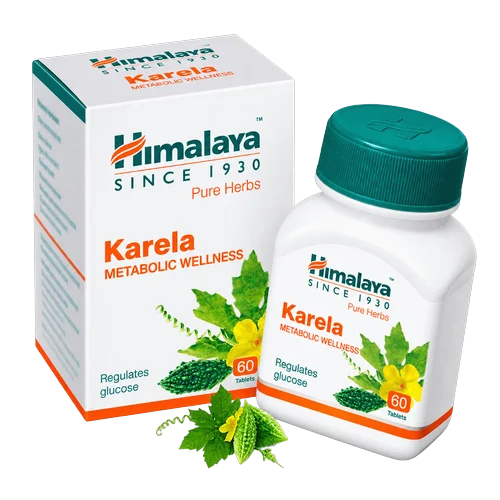
Karela tablets contain bitter melon, a traditional botanical used for metabolic wellness. They are intended for adults seeking nutritional support for healthy blood glucose, weight management, and…

Guaranteed quality Original product
Delivery: from 4 days Discreet shipping
24/7 Support Always available
Active ingredient: Momordica Charantia
Select pack Package Per unit Price
AED 2.72 AED 489.54
Best value AED 1.71 AED 979.08 AED 616.90 Save 37%

Free delivery on orders from AED 796.00, free express delivery from AED 1,194.00

Secure payment methods:
VISA AMEX JCB DISCOVER

Karela tablets contain bitter melon, a traditional botanical used for metabolic wellness. They are intended for adults seeking nutritional support for healthy blood glucose, weight management, and normal liver function alongside balanced meals and prescribed care.

Overview

Bitter melon belongs to the cucurbit family. Its fruit contains several naturally occurring compounds, including charantin, polypeptide-p, and cucurbitane-type compounds. The product contains 60 tablets.

What it is used for

Karela tablets contain bitter melon, a traditional botanical used for metabolic wellness. They are intended for adults seeking nutritional support for healthy blood glucose, weight management, and normal liver function alongside balanced meals and prescribed care.

Karela is used as a supportive botanical for Weight Management and Blood Pressure, yet the strength of evidence differs between these outcomes.

Formulation

Bitter melon belongs to the cucurbit family. Its fruit contains several naturally occurring compounds, including charantin, polypeptide-p, and cucurbitane-type compounds. Research has examined these constituents for possible effects on carbohydrate metabolism, insulin signalling, and glucose transport. Results remain mixed, and bitter melon should complement—not replace—diabetes treatment prescribed by a clinician.

The product contains 60 tablets.

Mechanism of action

Laboratory research suggests that bitter melon compounds may influence glucose uptake, glycogen formation, intestinal carbohydrate handling, and insulin-related signalling. Polypeptide-p has been studied for insulin-like activity, while charantin and related compounds have been examined for possible effects on glucose transport. These mechanisms may help explain why bitter melon has been used traditionally for glucose support.

A review in Complementary Therapies in Medicine found that clinical evidence for bitter melon in diabetes was limited and inconsistent, with study quality and preparation differences affecting the results [1].

How to use it

The dose is decided individually, taking age, other medicines, and health conditions into account. Karela is supplied as tablets for oral use.

  • Take the individually selected dose at the advised frequency.
  • Swallow tablets with water unless a clinician has given different instructions.
  • Keep the timing consistent from day to day.
  • Do not take extra tablets to compensate for a missed dose.
  • If a dose is missed, take the next scheduled dose rather than doubling.
  • Continue prescribed diabetes, blood-pressure, or cholesterol treatment unless the prescriber changes it.
Keep a simple record of tablet timing, meals, glucose readings, and symptoms during the first days of use. This makes it easier to identify whether sweating, shakiness, or dizziness reflects low glucose.

Comparison

Approach Main mechanism or role Main limitation
Karela botanical tablets Bitter melon compounds may influence glucose-related pathways Extract strength and clinical response can vary
Food-based fibre pattern Slows carbohydrate absorption and supports satiety Requires regular dietary changes
Prescription glucose-lowering treatment Uses defined pharmacological mechanisms and monitored dosing Can cause specific adverse effects and requires clinical supervision

A prescription treatment has a defined active substance, studied dose range, and monitoring plan. Karela has a different role: it may support a broader lifestyle programme, but it does not provide a substitute for treatment of diagnosed diabetes.

Common mistakes

  • taking extra tablets after eating sweets;
  • stopping prescribed diabetes treatment once readings improve;
  • combining Karela with multiple glucose-lowering supplements;
  • skipping meals while taking insulin or sulfonylureas;
  • ignoring repeated sweating, tremor, or confusion;
  • assuming a botanical product cannot interact with medicines;
  • failing to mention the supplement before surgery or a new prescription;
  • storing tablets in a hot, humid bathroom;
  • judging success from one glucose reading instead of a consistent record.

Who should not use it

  • you have had an allergic reaction to bitter melon or a related plant;
  • you are pregnant or trying to conceive without individual medical advice;
  • you are breastfeeding and the product has not been assessed for your situation;
  • you have recurrent hypoglycaemia;
  • you use insulin or sulfonylureas without a glucose-monitoring plan;
  • you have severe liver or kidney disease requiring specialist care;
  • you are preparing for surgery and your treatment team has not reviewed all supplements;
  • you are under 18, unless specifically advised by a qualified clinician.

When this is not for you

The product should not be used to self-treat diabetic ketoacidosis, severe hyperglycaemia, jaundice, or unexplained weight loss. These symptoms require clinical assessment.

Use extra caution with insulin, sulfonylureas, meglitinides, and other glucose-lowering treatment. Combining several glucose-lowering approaches may produce symptoms of hypoglycaemia. Blood-pressure medicines also warrant monitoring if dizziness or faintness develops.

Unwanted effects

Karela is often tolerated when used in an appropriate amount, though digestive symptoms can occur. Bitter melon may cause abdominal discomfort, nausea, diarrhoea, constipation, or a bitter aftertaste. Allergic reactions are possible in people sensitive to plants in the Cucurbitaceae family.

The most relevant risk is an excessive fall in Blood Glucose Levels when Karela is combined with insulin or glucose-lowering medicines. Symptoms can include sweating, trembling, hunger, palpitations, blurred vision, confusion, weakness, and fainting.

Stop using the product and seek urgent medical help for facial swelling, breathing difficulty, widespread hives, severe vomiting, loss of consciousness, seizure, or confusion that does not improve after appropriate glucose treatment.

A patient may mistake a mild bitter aftertaste for an allergy. Allergy more often involves itching, hives, swelling, wheezing, or throat tightness.

If you develop repeated diarrhoea, pause the supplement and review your other medicines and foods. Dehydration can affect glucose readings and blood pressure even when the digestive symptoms seem mild.

What doctors say

In clinical practice, physicians usually assess Karela as an adjunct to nutrition and glucose monitoring rather than as a replacement for diabetes therapy. The American Diabetes Association describes lifestyle measures and evidence-based glucose-lowering medicines as core parts of diabetes care, with supplements requiring careful review because product composition and clinical evidence can vary [2]. Evidence remains limited. Product quality varies. Monitoring remains necessary.

A doctor will usually ask about insulin, diabetes tablets, blood-pressure treatment, anticoagulants, pregnancy, kidney function, liver function, and previous episodes of low glucose. The same tablet may be tolerated by one adult and unsuitable for another because the surrounding treatment plan differs.

One practical point often missed is that glucose improvement after a supplement may result from several simultaneous changes, such as smaller portions, more walking, or fewer sweet drinks. A single reading cannot establish that Karela caused the change.

The product also has limits. It does not provide a replacement for HbA1c testing, retinal screening, kidney monitoring, or foot care in diabetes.

What customers often ask

Can Karela be combined with diabetes medicines or mineral supplements?

Karela may add to the glucose-lowering effect of insulin, sulfonylureas, and other diabetes medicines. The American Diabetes Association’s 2025 Standards of Care support medication review when glucose readings or hypoglycaemia patterns change. Mineral supplements do not automatically make the combination safe, especially when they are part of a broader product containing glucose-lowering herbs. A clinician should review the complete list before combination use.

How long does one Karela dose keep working?

A single tablet does not have a reliably established duration of glucose-lowering action because preparations, extract strengths, and study methods differ. A 2012 review in Complementary Therapies in Medicine found insufficient consistency to define a precise duration for bitter melon preparations. Avoid taking another dose early because one reading remains high. Follow the individual dosing plan and monitor symptoms.

Can Karela tablets be split, crushed, or chewed?

The preferred approach is to swallow Karela tablets with water unless a qualified clinician gives different instructions. The FDA's 2023 guidance explains that tablet splitting is appropriate only for certain formulations and should not be assumed for every product. Chewing can increase bitterness and may alter how a tablet is intended to be taken. Do not crush a tablet to mix into food without specific advice.

Can Karela cause low blood sugar?

Yes, Karela may contribute to low blood sugar when combined with insulin or glucose-lowering medicines. WHO guidance on diabetes from 2023 identifies hypoglycaemia as a clinically significant risk associated with glucose-lowering treatment. Watch for sweating, shaking, hunger, palpitations, blurred vision, confusion, or faintness. Repeated symptoms require prompt review of the full treatment plan.

How should Karela be stored at home and while travelling?

Keep the tablets dry, away from direct sunlight, and at a stable room temperature. The NHS's 2024 medicine-storage advice recommends keeping medicines away from heat, moisture, and children, which makes a cool, dry cupboard preferable to a bathroom shelf. During travel, keep the product in its original pharmacy container and avoid leaving it in a parked vehicle. Do not place tablets beside a kitchen sink or in checked luggage exposed to extreme temperatures.

Is Karela suitable for people under 18?

Karela should not be given to children or adolescents unless a qualified clinician has specifically recommended it. The European Medicines Agency's 2024 paediatric guidance requires use in children to be supported by appropriate evidence for the product and indication. Children with abnormal glucose readings need assessment of the underlying cause rather than self-treatment with an adult botanical product. Parents should also avoid sharing their own diabetes supplements with a child.

Do you offer anonymous delivery?

Your order will be securely packed and shipped within 24 hours. This is exactly what your package will look like (images of an actual item sent). It has the size and look of a regular private letter (24x11x0.7 cm) and its contents cannot be seen.

Comparison

Diabetes: all medicines side by side

Customer Feedback on Karela

Based on 5 reviews

Anil, 41 Verified
Rating: 3.5 out of 5

I noticed fewer large swings after lunch, but I had a bitter taste and mild stomach discomfort during the first few days. My readings improved after I also stopped sweetened tea.

Al Majaz Several weeks 30 Sep 2026
Joseph C., 50 Verified
Rating: 3 out of 5

The tablets fitted into my routine, and I felt comfortable taking them with water after breakfast. I did not see a dramatic change, so I kept tracking my glucose instead of increasing the amount myself.

Dubai 7 Oct 2026
Sultan, 62 Verified
Rating: 2 out of 5

I experienced sweating and shakiness one afternoon. The symptoms settled after treating the low reading, and my doctor reviewed the supplement and my diabetes medicines.

Sharjah 15 Oct 2026
Samir T., 49 Verified
Rating: 3.5 out of 5

My waist measurement changed slowly over two months, but the tablets alone did not reduce my weight. Walking after dinner and reducing rice portions made the larger difference.

Al Ain Two months 19 Oct 2026
Hassan C., 40 Verified
Rating: 3 out of 5

I tolerated it without a problem, although I could not tell whether it affected my glucose. The main benefit was that it reminded me to keep meals regular and record my readings.

Abu Dhabi 27 Oct 2026

Sources

  1. Cochrane Library (2012). Bitter melon (Momordica charantia) for type 2 diabetes mellitus.
  2. American Diabetes Association (2025). Standards of Care in Diabetes—2025.
Get our free app Shop faster and track your orders 3.4 · 316 reviews Install