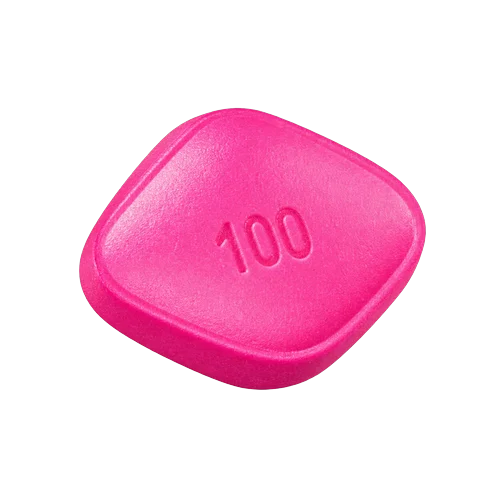
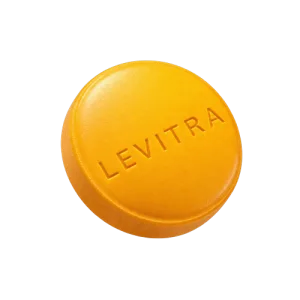
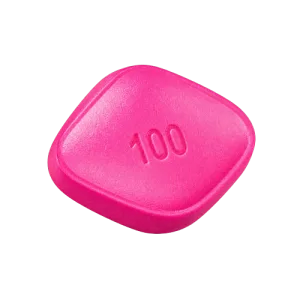
I noticed facial warmth and a mild headache within the first hour. The physical response during intimacy felt stronger, but the tablet did not change my desire on its own. The headache was manageable but made me more cautious about using it again.
Ajman First use 30 Sep 2026
Lovegra
Lovegra is intended for women with reduced genital arousal or sexual response. Its active substance, sildenafil, supports blood flow to pelvic tissues during sexual stimulation, helping the genital…
Lovegra is intended for women with reduced genital arousal or sexual response. Its active substance, sildenafil, supports blood flow to pelvic tissues during sexual stimulation, helping the genital arousal component rather than addressing every cause of low desire.
Overview
Lovegra contains sildenafil citrate, a phosphodiesterase type 5 (PDE5) inhibitor. Dosing differs between strengths and between users, so no single amount suits everyone. Sildenafil does not increase testosterone or act as an oestrogen; it changes vascular signalling in tissues that respond to sexual stimulation.
What it is used for
Lovegra is intended for women with reduced genital arousal or sexual response. Sildenafil mainly relates to the arousal and genital blood-flow component. It does not correct every cause of low desire, relationship difficulty, vaginal pain, menopause-related tissue changes, or depression.
Female use is off-label in many clinical settings. Research has produced mixed results, with some women reporting improved genital sensation or arousal and others noticing little change. The response depends on the underlying cause, sexual stimulation, vascular health, other medicines, and hormonal status.
Women taking nitrates, riociguat, or certain interacting medicines require a different treatment plan because sildenafil can produce a clinically dangerous fall in blood pressure [1].
Formulation
Lovegra contains sildenafil citrate, a phosphodiesterase type 5 (PDE5) inhibitor. The product is supplied as a tablet. Dosing differs between strengths and between users, so no single amount suits everyone.
Mechanism of action
Sexual stimulation activates nerves that release nitric oxide in genital tissues. Nitric oxide increases cyclic guanosine monophosphate, or cGMP, which relaxes smooth muscle and allows more blood to enter erectile or genital vascular tissue.
PDE5 normally breaks down cGMP. Sildenafil inhibits PDE5, so cGMP remains active for longer. The resulting vascular relaxation may support genital engorgement, sensitivity, and lubrication when sexual stimulation is already present. Sildenafil does not cause arousal without stimulation.
The mechanism is vascular, not hormonal. It does not treat low oestrogen, pelvic-floor dysfunction, vulvodynia, severe vaginal dryness from tissue thinning, or psychological distress. Those conditions may require separate assessment and treatment.
Evidence for female sexual dysfunction remains less consistent than evidence for male erectile dysfunction. A 2021 review indexed in PubMed found variable outcomes across female sexual-function studies, with differences in diagnosis, menopausal status, dose, and outcome measures. The FDA-approved sildenafil label describes its established role in erectile dysfunction rather than a general female sexual-arousal indication [2].
How nitric oxide affects the response
Nitric oxide acts as a signalling molecule rather than a stimulant. It starts a chain of reactions that relaxes vascular smooth muscle. Sildenafil preserves the downstream cGMP signal; it does not directly release nitric oxide.
This explains two practical points:
- Sexual stimulation remains necessary.
- A larger dose does not guarantee stronger desire or better satisfaction.
- Anxiety, pain, fatigue, low mood, and inadequate stimulation can still limit the result.
- Heavy alcohol intake may reduce sexual response even when sildenafil is present.
The effect is not a permanent change in circulation. Sildenafil is cleared from the body, and its vascular action declines after the medicine has been absorbed and metabolised.
How to use it
Lovegra is an oral tablet. Dosing differs between strengths and between users, so no single amount suits everyone.
Use should follow an individual prescription or a clinician’s specific dosing decision. Sildenafil tablets are generally taken before planned sexual activity, with enough time for absorption. The medicine should not be taken more than once in a 24-hour period.
Key administration points include:
- Swallow the tablet with water.
- Take it before sexual activity rather than after symptoms have already failed to respond.
- A heavy, high-fat meal can delay absorption.
- Do not combine doses to compensate for a delayed response.
- Do not split or repeat a dose unless the prescriber has given clear instructions.
- Sexual stimulation is required for the vascular effect.
- Avoid large amounts of alcohol, which can worsen dizziness and reduce sexual performance.
The commonly cited sildenafil onset window is approximately 30–60 minutes, though food, metabolism, anxiety, and circulation influence the timing. The duration of clinically noticeable effects varies between individuals. The FDA prescribing information limits sildenafil use to once daily and warns against combining it with nitrates .
A missed planned dose does not require a replacement dose later. Lovegra is used around sexual activity, not as a daily maintenance treatment. If the tablet was taken and sexual activity did not occur, another tablet should not be added within the same 24-hour period.
Comparison
Lovegra differs from topical lubricants, vaginal moisturisers, hormonal treatment, and psychological or pelvic-floor interventions because it acts systemically through PDE5 inhibition. Each approach addresses a different part of sexual function.
| Approach | Main action | Key limitation |
|---|---|---|
| Lovegra / sildenafil | Increases nitric-oxide-related vascular response | Does not directly increase desire, treat pain, or correct every hormonal cause |
| Topical lubricant or moisturiser | Reduces friction and improves surface comfort | Does not increase pelvic blood flow or treat low desire |
| Hormonal or condition-specific treatment | Addresses selected hormonal or tissue-related causes | Requires assessment of symptoms, medical history, and contraindications |
Viagra / sildenafil contains the same active molecule as Lovegra, but its established clinical use is male erectile dysfunction. Lovegra is directed toward female sexual arousal concerns, although evidence for this use is less established and results are variable.
A lubricant may be more useful when discomfort comes from friction or insufficient surface moisture. A PDE5 inhibitor may be more relevant when the main difficulty involves physical arousal despite adequate desire and stimulation. A clinician may consider hormonal or local treatment when symptoms relate to menopause-associated tissue changes.
Systemic herbal drops and intimacy products have different ingredients and evidence standards. A product that creates warmth or lubrication does not work through PDE5 inhibition. Mixing multiple sexual-wellness products can make flushing, dizziness, irritation, or allergy harder to identify.
Common mistakes
Several practical mistakes can reduce benefit or increase adverse effects:
- Taking a second tablet because the first has not worked quickly
- Using Lovegra with nitrate medicines or recreational nitrates
- Expecting sildenafil to create desire without sexual stimulation
- Taking it after a very heavy meal and judging the effect too soon
- Combining it with several alcohol drinks
- Ignoring dizziness because the intended effect is sexual
- Treating pain or severe dryness as a simple blood-flow problem
- Failing to mention HIV medicines, antifungals, or pulmonary-hypertension treatment
- Using it despite a previous serious sildenafil-related visual reaction
One detail is easy to miss: sildenafil tablets should be swallowed whole with water rather than crushed into food or mixed into drinks. Altering the tablet can make the dose harder to measure and can increase uncertainty about absorption.
Another common error is judging the medicine only by orgasm. Genital warmth, lubrication, sensitivity, and physical arousal may change without producing an orgasm, while psychological comfort and stimulation remain separate factors.
Who should not use it
The clearest contraindications and precautions include the following:
- Use of nitrate medicines for angina or chest pain, including glyceryl trinitrate and isosorbide preparations
- Use of recreational nitrates, sometimes called “poppers”
- Use of riociguat
- A previous serious allergic reaction to sildenafil or a tablet ingredient
- Severe cardiovascular disease where sexual activity itself is unsafe
- Recent heart attack or stroke unless cleared by the treating clinician
- Very low blood pressure or uncontrolled high blood pressure
- Severe liver disease
- Certain inherited retinal disorders, including retinitis pigmentosa
- Previous sudden loss of vision related to non-arteritic anterior ischaemic optic neuropathy
Sildenafil may interact with strong CYP3A4 inhibitors such as ritonavir, cobicistat, ketoconazole, itraconazole, and some macrolide antibiotics. These medicines can increase sildenafil exposure. The EMA’s sildenafil product information also highlights caution with alpha-blockers and medicines that lower blood pressure [3].
Pregnancy is a separate issue. Sildenafil is not a routine treatment for sexual arousal during pregnancy, and it should not be used for that purpose. Breastfeeding decisions require a specific review of the medicine, dose, and infant exposure.
When this is not for you
Lovegra is not for you if you use nitrates or riociguat, or if a clinician has advised you to avoid sexual activity.
Before use, list every medicine taken for chest pain, blood pressure, HIV treatment, fungal infection, or pulmonary hypertension. These categories contain important sildenafil interactions.
Unwanted effects
Sildenafil can cause headache, facial flushing, indigestion, nasal congestion, dizziness, and visual changes. These reactions are related to vascular effects and may be more noticeable with higher exposure. The FDA prescribing information lists headache and flushing among recognised adverse reactions .
Possible effects include:
- Headache or pressure around the temples
- Warmth or redness of the face
- Indigestion, nausea, or stomach discomfort
- Blocked nose
- Light-headedness, especially when standing
- Temporary colour-tinged vision or increased sensitivity to light
- Muscle aches or back discomfort
Visual symptoms deserve attention. Stop using sildenafil and obtain urgent medical assessment for sudden vision loss. Seek urgent help for chest pain, fainting, severe breathlessness, facial swelling, or signs of a serious allergic reaction.
A prolonged, painful genital or clitoral erection is uncommon but requires emergency care. Although priapism is discussed more often in male patients, prolonged unwanted erectile tissue engorgement can also represent a serious vascular reaction in women.
Sildenafil can lower blood pressure. Combining it with alcohol, blood-pressure medicines, alpha-blockers, or other vasodilators may increase dizziness or fainting. The degree of risk depends on the medicine, dose, hydration, and cardiovascular health.

What doctors say
In clinical practice, physicians first separate low desire from low physical arousal. A woman may want sexual activity but experience limited genital response, while another may have normal physical response but low desire from depression, pain, medication effects, or relationship stress. Lovegra can only address a vascular part of the first pattern.
Doctors also assess cardiovascular fitness before sildenafil use because sexual activity increases heart workload. The American College of Cardiology and standard sildenafil prescribing information place emphasis on nitrate interactions, blood-pressure effects, and cardiovascular risk [4].
A realistic treatment goal is improved physical responsiveness during stimulation, not automatic desire or guaranteed orgasm. If symptoms began after starting an antidepressant, treatment may need medication review rather than simply adding sildenafil. Persistent pain, bleeding, marked dryness, or loss of sensation requires evaluation for a separate gynaecological or neurological cause.
A useful clinical detail is timing. Taking sildenafil after a heavy meal may make a patient conclude that the medicine failed when absorption was only delayed. Repeating the dose creates more risk without solving the underlying delay.
What customers often ask
Does Lovegra cause headaches?
Headache is a recognised sildenafil adverse effect caused by vascular changes and is listed in the FDA's 2024 prescribing information. It may occur with flushing, nasal congestion, or light-headedness, especially after a higher exposure . Rest, hydration, and avoiding alcohol may reduce discomfort, but a severe or persistent headache requires medical assessment. A sudden severe headache with weakness, confusion, or vision loss needs urgent care.
Which symptoms require stopping Lovegra and seeking urgent care?
Stop using sildenafil and seek urgent medical help for chest pain, fainting, severe breathing difficulty, facial or throat swelling, or sudden vision loss. The EMA's 2023 safety information also supports urgent assessment for a prolonged, painful erection-related reaction or a serious allergic response . Do not take another dose while waiting for medical advice. Tell emergency clinicians that sildenafil was taken and provide the names of other medicines used.
Which habits can help or hinder the result?
Sexual stimulation is required because sildenafil supports a nitric-oxide pathway rather than creating desire. A heavy meal may delay absorption, while excessive alcohol can increase dizziness and reduce sexual response. Moderate activity, adequate sleep, and management of stress can support sexual function, although they do not replace treatment for pain, hormonal symptoms, or depression. The WHO's 2022 guidance describes sexual health as influenced by physical, psychological, and social factors rather than by blood flow alone [5].
How soon can the effect become noticeable?
Sildenafil commonly begins to act within about 30–60 minutes, though food, metabolism, anxiety, and vascular health change the timing. The FDA's 2024 pharmacology information describes absorption and peak exposure as variable between individuals . The effect still requires sexual stimulation and may be subtle rather than dramatic. Taking another dose because the response is delayed can raise adverse-effect risk.
Can older adults use Lovegra?
Older adults may use sildenafil only after a review of cardiovascular health, blood pressure, kidney and liver function, and current medicines. Age itself does not automatically rule out treatment, but interactions and slower drug clearance can increase exposure. The EMA's 2023 product information recommends extra caution when cardiovascular disease or multiple medicines are present . Nitrate use, recent cardiovascular events, and unexplained fainting require specific medical assessment before sildenafil.
What happens after stopping Lovegra, and is tapering needed?
Sildenafil does not usually require tapering because it does not create a physical dependence syndrome. After stopping, its temporary vascular effect ends and sexual response returns to the person’s underlying baseline. Stopping does not reverse menopause-related dryness, medication-related low desire, or an untreated pain condition. The FDA's 2024 prescribing information provides no tapering schedule for sildenafil used around sexual activity .
Do you offer anonymous delivery?
Your order will be securely packed and shipped within 24 hours. This is exactly what your package will look like (images of an actual item sent). It has the size and look of a regular private letter (24x11x0.7 cm) and its contents cannot be seen.
Comparison
Cialis
Kamagra Effervescent
Kamagra Oral Jelly
Kamagra Polo
Levitra
Lovegra Current
Sources
- U.S. Food and Drug Administration (2024). VIAGRA (sildenafil citrate) Prescribing Information.
- U.S. Food and Drug Administration (2024). Clinical Pharmacology Review: Sildenafil Citrate.
- European Medicines Agency (2023). Sildenafil: Summary of Product Characteristics.
- American College of Cardiology (2022). Sexual Activity and Cardiovascular Disease: Clinical Guidance.
- World Health Organization (2022). Sexual Health and Well-Being: Framework for Action.