Skip to content
Fast & Discrete Delivery Save up to 80%
In stock Paroxetine
Antidepressants

Paroxetine

Paroxetine tablets are taken by mouth for depression and several anxiety-related disorders. They contain an SSRI that increases serotonin signalling in the brain, helping reduce persistent low mood…

Guaranteed quality Original product
Delivery: from 4 days Discreet shipping
24/7 Support Always available
Active ingredient: Paroxetine
Select pack Package Per unit Price
AED 13.66 AED 409.94
AED 10.68 AED 819.88 AED 640.78 Save 22%
Free Regular Delivery AED 9.77 AED 1,229.82 AED 879.58 Save 28%
Free Regular Delivery AED 9.25 AED 1,639.76 AED 1,110.42 Save 32%
Free Express Delivery AED 8.69 AED 2,459.64 AED 1,564.14 Save 36%
Free Express Delivery AED 8.42 AED 3,689.46 AED 2,272.58 Save 38%
Best value Free Express Delivery AED 8.24 AED 4,919.28 AED 2,965.10 Save 40%

Free delivery on orders from AED 796.00, free express delivery from AED 1,194.00

Secure payment methods:
VISA AMEX JCB DISCOVER

Paroxetine tablets are taken by mouth for depression and several anxiety-related disorders. They contain an SSRI that increases serotonin signalling in the brain, helping reduce persistent low mood, panic, obsessive thoughts, and excessive anxiety over time.

Overview

Paroxetine belongs to the selective serotonin reuptake inhibitor (SSRI) class. The active substance is paroxetine, supplied as film-coated tablets under the Actavis marking. It is prescribed for adults with conditions such as major depressive disorder, panic disorder, obsessive-compulsive disorder, social anxiety disorder, generalized anxiety disorder, and post-traumatic stress disorder.

What it is used for

Paroxetine is used under prescription for several psychiatric conditions. The treatment goal differs by diagnosis: lifting depressive symptoms, reducing panic attacks, weakening obsessive-compulsive symptoms, or lowering persistent fear and avoidance.

Common clinical indications include:

  • Major depressive disorder, including low mood, loss of interest, guilt, fatigue, and impaired concentration.
  • Generalized anxiety disorder, marked by excessive and difficult-to-control worry.
  • Panic disorder, with or without agoraphobia.
  • Obsessive-compulsive disorder, involving intrusive thoughts and repetitive behaviours.
  • Social anxiety disorder, where fear of scrutiny causes marked distress or avoidance.
  • Post-traumatic stress disorder, including trauma-related anxiety, intrusive memories, and hyperarousal.

Treatment plans are diagnosis-specific. A clinician may begin with a lower amount and increase it gradually, especially when panic symptoms or medication sensitivity are present. The intake amount is selected individually rather than being one fixed amount for every person.

Clinical guidance from the National Institute for Health and Care Excellence and regulatory information reviewed by the European Medicines Agency support SSRIs as established options for depression and several anxiety disorders [2]. Response is assessed through symptoms and daily function, not only through whether a person feels calmer during the first few days.

Formulation

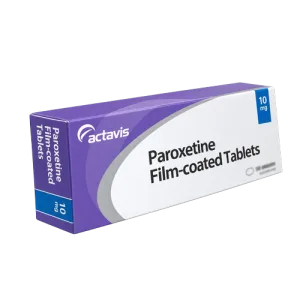
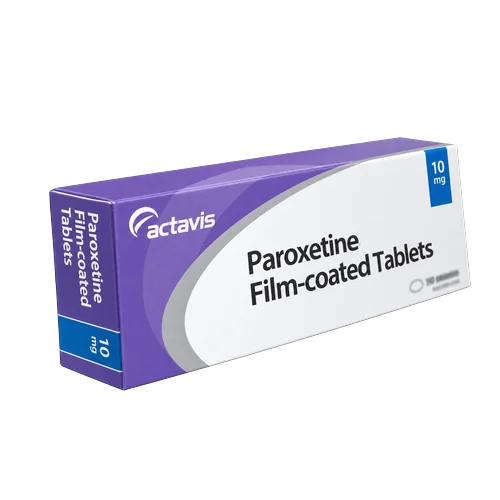
The active substance is paroxetine, supplied as film-coated tablets under the Actavis marking.

Mechanism of action

Serotonin is a chemical messenger involved in mood, fear responses, sleep, appetite, and emotional regulation. After serotonin is released between nerve cells, a transporter normally carries some of it back into the sending cell. Paroxetine inhibits this transporter, leaving more serotonin available in the synaptic cleft. The clinical benefit develops gradually as brain circuits adapt to the changed signalling pattern [1].

Paroxetine has a high affinity for the serotonin transporter. Its main action is serotonergic rather than dopaminergic or noradrenergic. This explains both its therapeutic role and several characteristic adverse effects, including nausea, sweating, changes in sleep, and sexual dysfunction.

Serotonin signalling is distributed across several brain pathways. The same mechanism that reduces panic or obsessive thoughts can also affect gastrointestinal movement and sexual response. This is why benefits and unwanted effects can appear through related biological systems.

How to use it

Paroxetine is taken orally as a film-coated tablet. The amount per intake is set individually for each person according to the diagnosis, response, tolerability, age, liver or kidney function, and other medicines.

  • Take it once daily if that is the prescribed schedule.
  • Swallow the tablet with water.
  • Take it at a consistent time.
  • Do not crush or chew a tablet unless a prescriber has specifically confirmed that this is suitable.
  • Continue for the prescribed duration, even if improvement begins before the course is complete.
  • Do not increase, reduce, or stop the amount without a planned medical decision.

Treatment for depression or anxiety often continues after symptoms improve. The continuation period helps reduce relapse risk. Long-term treatment may be appropriate for recurrent depression, repeated panic attacks, persistent obsessive-compulsive disorder, or previous relapse after stopping.

If a dose is missed, take it when remembered unless the next scheduled dose is near. In that situation, skip the missed dose and return to the regular schedule. Do not double the next intake.

Keep a simple daily record of mood, sleep, anxiety, panic symptoms, and unwanted effects during the first weeks. Specific observations are more useful than a general impression that the medicine is “doing nothing.”

Alcohol can worsen drowsiness, impaired judgement, or poor coordination in some people. Combining paroxetine with recreational substances or other medicines that affect serotonin can raise the risk of serious toxicity.

Comparison

Paroxetine is one of several approaches used for depression and anxiety. The best choice depends on the diagnosis, previous treatment response, concurrent medicines, sleep pattern, sexual side effects, and medical history.

Treatment category Main therapeutic feature Main limitation
Paroxetine and other SSRIs Increase serotonin signalling; useful across depression and several anxiety disorders Nausea, sexual dysfunction, sleep changes, and withdrawal symptoms can occur
Serotonin–noradrenaline reuptake inhibitors Affect serotonin and noradrenaline pathways; may help low energy or pain-related symptoms Can raise blood pressure, cause sweating, nausea, or activation
Psychological therapy Targets behaviour, thought patterns, avoidance, and coping skills Requires regular participation and may take time to access or practise

Paroxetine may suit a person whose depression is accompanied by prominent anxiety, panic, obsessive symptoms, or trauma-related distress. Its disadvantages include a higher likelihood of sexual side effects and discontinuation symptoms than some alternatives. People with previous difficulty stopping antidepressants may need a slower tapering plan.

Medication and structured psychological therapy are sometimes combined. That decision depends on severity, access to therapy, patient preference, and previous response.

Common mistakes

Several practical errors can make treatment appear ineffective or create avoidable adverse effects:

  • Stopping after the first improvement instead of completing the planned continuation period.
  • Taking extra tablets after a missed dose.
  • Alternating doses to manage sexual side effects without clinical guidance.
  • Stopping suddenly after months of use.
  • Combining the medicine with St John’s wort or another serotonergic product.
  • Hiding suicidal thoughts because the person fears the medicine will be stopped.
  • Switching between tablet presentations without confirming the release characteristics.
  • Assuming early nausea proves that the treatment will never help.
  • Forgetting to mention tamoxifen, anticoagulants, migraine medicines, or opioid pain medicines.

Withdrawal symptoms can include dizziness, electric-shock sensations, nausea, sweating, irritability, anxiety, sleep disturbance, and flu-like feelings. These symptoms may begin within days of abrupt reduction, although relapse can also emerge after stopping. A planned taper is usually safer than sudden discontinuation.

Who should not use it

Paroxetine is not suitable for everyone. It should not be used with certain medicines because the interaction can cause dangerous changes in serotonin signalling, heart rhythm, or the effectiveness of another treatment.

  • You are taking a monoamine oxidase inhibitor, including certain medicines used for depression or infection treatment.
  • You have recently stopped a monoamine oxidase inhibitor and the required washout interval has not passed.
  • You use thioridazine or pimozide, which can create serious cardiac risk when combined with paroxetine.
  • You have had a severe allergic reaction to paroxetine or one of its tablet ingredients.
  • You are taking tamoxifen and the prescriber has not assessed the interaction, because paroxetine can inhibit CYP2D6 and reduce formation of tamoxifen’s active metabolite.
  • You have bipolar disorder and have not been assessed for a history of mania or hypomania.
  • You have uncontrolled epilepsy, significant bleeding risk, or severe liver or kidney disease without an individualised treatment plan.

The EMA identifies major interaction concerns involving monoamine oxidase inhibitors, pimozide, thioridazine, and medicines metabolised through relevant liver enzymes [4]. Paroxetine can also interact with other serotonergic medicines, including some migraine treatments, opioid analgesics, and herbal products containing St John’s wort.

Pregnancy requires an individual risk-benefit assessment. The medicine crosses the placenta, and late-pregnancy exposure can be associated with newborn adaptation symptoms or persistent pulmonary hypertension. Untreated severe depression also carries risks, so abrupt discontinuation is not a safe default.

When this is not for you

Paroxetine may not be right for you if you take medicines for depression or infection, certain heart-rhythm medicines, tamoxifen, or other products that affect serotonin. Tell your prescriber if you have bipolar disorder, epilepsy, a bleeding problem, severe liver or kidney disease, or a serious allergy to paroxetine. Pregnancy also needs an individual discussion with a clinician, and you should not stop treatment suddenly.

Unwanted effects

The most frequently discussed adverse effects involve the gastrointestinal system, sleep, sexual function, and activation. Nausea may occur early and can lessen as the body adjusts. Taking the tablet with food may help some people, although the prescribed routine should remain consistent.

Possible effects include:

  • Nausea, loose stools, constipation, dry mouth, or reduced appetite.
  • Headache, dizziness, tiredness, sweating, or tremor.
  • Insomnia, vivid dreams, or increased sleepiness.
  • Reduced libido, delayed orgasm, erectile difficulty, or other sexual dysfunction.
  • Restlessness or increased anxiety during early treatment.
  • Weight change during longer-term use.
  • Changes in cholesterol or other metabolic measures in some patients.

The United States Food and Drug Administration describes sexual dysfunction, serotonin-related reactions, bleeding risk, hyponatraemia, mania, and discontinuation symptoms among clinically relevant safety concerns for paroxetine [3]. Side effects do not occur in every patient, and their intensity does not reliably predict whether the medicine will help.

A patient may feel nausea before noticing an improvement in mood. That timing can be discouraging, but early gastrointestinal symptoms often settle. Persistent sexual dysfunction deserves a direct conversation with the prescriber because silently stopping treatment can produce withdrawal symptoms and relapse.

Report new sexual difficulties in plain language, including reduced desire, delayed orgasm, or erection changes. These effects are common enough to deserve active management rather than being dismissed.

Urgent assessment is needed for severe allergic swelling, fainting, a seizure, severe confusion, high fever with muscle stiffness, unusual bleeding, severe agitation, or suicidal thoughts. A new episode of unusually elevated mood, very little need for sleep, racing thoughts, or risky behaviour may indicate mania.

High cholesterol is not the defining adverse effect of paroxetine, and a raised result has many possible causes. A clinician may monitor weight, appetite, and metabolic health when treatment continues for a long period.

What doctors say

In clinical practice, doctors usually judge paroxetine through three measures: symptom change, daily functioning, and tolerability. A patient who sleeps better but remains unable to work may need reassessment, even if one symptom has improved.

Psychiatrists often explain that antidepressant response is gradual. The early review is used to identify activation, worsening mood, sleep disruption, gastrointestinal effects, and adherence problems. Later reviews focus on whether the person can resume activities, maintain relationships, and manage anxiety with less avoidance.

A common mistake is to judge the treatment after only several days. Serotonin transporter inhibition begins early, yet the broader therapeutic response depends on downstream adaptation. The FDA and WHO both support careful monitoring of antidepressant treatment, especially when mood changes or suicidal thinking appear [5].

Paroxetine is not a cure for every cause of low mood. Thyroid disease, bipolar disorder, substance use, trauma, sleep apnoea, and some medicines can produce symptoms that resemble depression. A clinician may investigate these factors when the response is incomplete.

What customers often ask

Can paroxetine be used during pregnancy or breastfeeding?

Paroxetine during pregnancy requires an individual clinical assessment because exposure late in pregnancy may be associated with newborn adaptation symptoms and other neonatal complications. The risks of untreated depression or severe anxiety also need consideration, so sudden stopping can be harmful. The EMA and UK medicines safety guidance have reviewed SSRI exposure during pregnancy and breastfeeding. The EMA published relevant SSRI safety information in 2009. Paroxetine passes into breast milk in small amounts, and the infant should be monitored for feeding difficulty, unusual sleepiness, or irritability.

What happens after stopping paroxetine, and should it be tapered?

Sudden stopping may cause dizziness, nausea, anxiety, irritability, sleep disturbance, sweating, or electric-shock sensations. Symptoms can be mistaken for relapse, so timing and clinical assessment matter. NICE guidance and the Royal College of Psychiatrists recommend gradual reduction for many patients, with the pace adjusted to treatment duration, dose history, and previous withdrawal symptoms. NICE guidance was updated in 2022. A taper should be planned rather than replaced with alternate-day dosing unless specifically prescribed.

Does paroxetine cause sexual dysfunction?

Yes, reduced libido, delayed orgasm, erectile difficulty, or difficulty reaching orgasm can occur with paroxetine. The effect may appear after treatment begins and can persist while the medicine continues. FDA safety information and European regulatory reviews recognise sexual dysfunction as a clinically relevant SSRI adverse effect. The FDA prescribing information was revised in 2024. Patients should report it directly because options may include dose review, timing changes, treatment adjustment, or management of another medical cause.

What should happen if the expected result does not come?

A lack of improvement should prompt a structured review rather than an unsupervised increase. The clinician may reassess the diagnosis, adherence, duration, sleep, substance use, bipolar symptoms, thyroid function, concurrent medicines, and the severity of suicidal thinking. The WHO depression guidance and NICE recommendations support reviewing treatment response and changing strategy when improvement remains inadequate. WHO guidance published in 2023 supports this type of review. Do not combine another antidepressant or stop paroxetine without a planned decision.

Which symptoms mean stopping and seeing a doctor urgently?

Urgent medical assessment is needed for suicidal thoughts, severe agitation, a seizure, fainting, severe allergic swelling, unusual bleeding, confusion with fever and muscle stiffness, or symptoms of mania. Serotonin toxicity can involve agitation, sweating, tremor, diarrhoea, fever, muscle rigidity, and confusion, especially after combinations with other serotonergic substances. FDA information identifies these as serious safety concerns requiring prompt action. The FDA prescribing information was revised in 2024. Do not take another dose while awaiting urgent advice if a severe reaction is suspected, unless emergency clinicians instruct otherwise.

Is paroxetine suitable for older adults?

Older adults may use paroxetine when the clinician considers the benefits and risks, but prescribing often requires greater caution. Hyponatraemia, falls, bleeding, cognitive effects, sedation, and interactions may be more clinically significant in later life. The American Geriatrics Society Beers Criteria identify paroxetine as a medicine requiring caution in older adults because of anticholinergic activity and related risks. The 2023 Beers Criteria provide this caution for older adults. Review of all medicines, kidney and liver function, sodium levels, falls, and confusion can help guide treatment.

What should be done after a missed dose?

Take the missed tablet when remembered unless the next scheduled intake is close. If the next dose is near, skip the missed tablet and continue with the normal schedule. Never take two doses together to compensate. Patient safety information from the FDA and EMA uses this general approach for missed once-daily paroxetine doses, while the exact prescription schedule remains the basis for individual instructions. The FDA prescribing information was revised in 2024.

Do you offer anonymous delivery?

Your order will be securely packed and shipped within 24 hours. This is exactly what your package will look like (images of an actual item sent). It has the size and look of a regular private letter (24x11x0.7 cm) and its contents cannot be seen.

Comparison

Antidepressants: all medicines side by side

Customer Feedback on Paroxetine

Based on 3 reviews

Samir, 64 Verified
Rating: 3 out of 5

I took 20 mg of paroxetine once daily for six months for anxiety and low mood. The first week brought nausea and restless sleep, but the stomach symptoms eased later. I still needed a slower reduction plan when treatment ended because dizziness appeared after missed doses.

Dibba Al-Fujairah Six months 15 Oct 2026
Joel, 30 Verified
Rating: 3 out of 5

After several weeks on 20 mg once daily, panic attacks became less frequent and I could use public transport again. I continued treatment for eight months. The drawback was reduced sexual interest, which I did not mention at first. Discussing it led to a proper review instead of stopping on my own.

Dubai Eight months 26 Oct 2026
Zubair L., 29 Verified
Rating: 3.5 out of 5

The initial period felt uncomfortable because I was more alert and tense at night. I took 20 mg once daily for four months. Improvement was gradual rather than dramatic. I found it useful to take the tablet at the same time and record sleep, panic symptoms, and missed doses.

Hatta Four months 30 Sep 2026

Sources

  1. U.S. Food and Drug Administration (2024). PAXIL (paroxetine hydrochloride) Prescribing Information.
  2. National Institute for Health and Care Excellence (2022). Depression in adults: treatment and management (NG222).
  3. U.S. Food and Drug Administration (2018). Antidepressant Use in Children, Adolescents, and Adults: Drug Safety Communication.
  4. European Medicines Agency (2009). Public statement on the use of selective serotonin reuptake inhibitors in children and adolescents.
  5. World Health Organization (2023). Mental Health Gap Action Programme Intervention Guide, Version 2.0.
Get our free app Shop faster and track your orders 3.4 · 316 reviews Install