began Solian after persistent suspiciousness and disrupted sleep: “The voices became less intrusive after several weeks, and I was able to return to a regular routine. I felt sleepy in the mornings at first, so driving before work was not sensible.”
Al Qusais 30 Sep 2026
Solian
Adults diagnosed with schizophrenia or another specialist-confirmed psychotic disorder may be prescribed Solian. It contains amisulpride, an antipsychotic that modulates dopamine signalling and helps…
Adults diagnosed with schizophrenia or another specialist-confirmed psychotic disorder may be prescribed Solian. It contains amisulpride, an antipsychotic that modulates dopamine signalling and helps reduce symptoms such as hallucinations and delusions.
Overview
Solian is prescribed after assessment of the diagnosis, symptom pattern, age, kidney function, medical history and other medicines. It is an antipsychotic treatment for schizophrenia and selected psychotic disorders, containing amisulpride as its active ingredient.
What it is used for
Solian may be prescribed for schizophrenia and related psychotic disorders. It can help reduce positive symptoms, including:
- Hearing or seeing things that are not present.
- Fixed false beliefs that remain despite evidence.
- Disorganised speech or behaviour.
- Severe suspiciousness linked to psychosis.
Treatment response varies. Some symptoms improve before others, and negative symptoms such as reduced motivation may respond differently from hallucinations or delusions.
NICE guidance places antipsychotic treatment within a broader plan that can include psychological and social support [1].
Formulation
Solian contains amisulpride, an antipsychotic used mainly in the treatment of schizophrenia and selected psychotic disorders. Schizophrenia can affect perception, thinking, emotional responses and behaviour. Symptoms may include hallucinations, delusions, disorganised speech and marked social withdrawal.
Active Ingredient and Pharmacological Class
Amisulpride belongs to the benzamide group of antipsychotics. It acts mainly through dopamine D2 and D3 receptor activity in the brain. The tablets are taken by mouth, with the prescribed strength and schedule selected for the individual patient.
A useful practical point is that kidney function can influence amisulpride exposure. Reduced renal clearance may require a lower dose or closer clinical monitoring.
Mechanism of action
Amisulpride changes dopamine signalling rather than simply lowering dopamine throughout the brain. Dopamine is a neurotransmitter involved in motivation, perception, movement and the processing of rewarding experiences.
Dopamine Receptor Modulation
At higher clinical exposure, amisulpride reduces excessive dopamine activity in pathways associated with psychotic symptoms. Its receptor effects can also influence movement, hormone regulation and alertness. The result is more specific than a general “chemical balance”; different dopamine pathways perform different functions.
Clinical evidence and regulatory information describe amisulpride as a dopamine receptor antagonist used in psychotic disorders [2]. The medicine does not remove the underlying diagnosis, and symptom improvement can be gradual.
How to use it
There is no single amount that suits everyone. Dosing differs between strengths and between users, so the prescribed schedule must determine how many tablets are taken and when.
- Take Solian exactly as prescribed.
- Swallow the tablet with water unless the prescriber gives different instructions.
- Take doses at a consistent time when possible.
- Do not select a higher or lower strength independently.
- Do not double the next dose after a missed dose.
- For a missed dose, obtain individualized instructions from the prescriber or pharmacist, especially if the next dose is due soon.
- Keep appointments after starting treatment or changing the dose.
Kidney dysfunction can affect dose selection because amisulpride is substantially cleared through the kidneys. Dialysis, reduced kidney function or recent abnormal renal tests should be disclosed before treatment begins.
Comparison
Solian is one antipsychotic option. The choice between medicines depends on the diagnosis, previous treatment response, weight and metabolic history, movement symptoms, kidney function, sedation risk and the monitoring plan.
| Treatment | Pharmacological role | Clinical considerations |
|---|---|---|
| Solian, containing amisulpride | Dopamine-receptor antagonist | Used for schizophrenia and selected psychotic disorders; kidney function and prolactin-related effects may matter |
| Olanzapine | A different antipsychotic with broader receptor activity | Sedation, appetite and weight or metabolic changes may influence selection |
| Lithium | Mood stabiliser, not a direct substitute for amisulpride | Requires specialist monitoring and is selected for specific mood-disorder indications |
Solian and olanzapine may both be considered in psychosis, yet their adverse-effect profiles differ. One person may experience troublesome restlessness with one medicine and marked sedation or appetite changes with another.
Lithium belongs to a different treatment category. It should not replace amisulpride without a specialist diagnosis and treatment plan.
Common mistakes
- Increasing the dose because symptoms remain severe.
- Stopping once hallucinations or delusions improve.
- Taking alcohol with Solian and underestimating the extra sedation.
- Describing akathisia as “anxiety” without mentioning the urge to move.
- Forgetting to report kidney disease or dialysis.
- Omitting over-the-counter sleep aids or sedating antihistamines from the medication list.
- Replacing a missed dose with two tablets.
- Crushing or chewing a tablet without confirming that the specific formulation permits it.
Solian tablets should be swallowed as directed. If swallowing is difficult, the prescriber or pharmacist can advise on an appropriate formulation or administration method.
Urgent medical help is required for collapse, severe rigidity, confusion, very high fever, or rapidly worsening consciousness. Severe restlessness also deserves prompt clinical attention because akathisia can become intensely distressing.
Who should not use it
Solian should not be used in people with pheochromocytoma, a rare hormone-producing tumour of the adrenal gland, unless a specialist has specifically directed otherwise within an appropriate treatment plan.
A history of prolactin-dependent tumours also requires careful review. Amisulpride can increase prolactin, so clinicians need to consider previous breast or pituitary conditions and symptoms such as unexpected breast discharge.
Severe liver dysfunction requires medical review before treatment. Kidney dysfunction is especially relevant because impaired renal clearance can increase amisulpride exposure.
When this is not for you
This medication is not for you if you have a listed contraindication, a previous serious reaction to amisulpride, or a medical condition that makes dopamine-blocking treatment unsuitable. Pregnancy, breastfeeding, seizures, heart rhythm problems and a history of fainting should also be discussed before treatment.
Unwanted effects
Solian can cause unwanted effects affecting alertness, movement, digestion, body weight and hormone regulation. The intensity varies between patients and may change after a dose adjustment.
Common and Manageable Effects
Recognised adverse effects include:
- Sleepiness or reduced alertness.
- Restlessness or akathisia.
- Weight gain or increased appetite.
- Constipation.
- Nausea or stomach discomfort.
- Tremor or other movement symptoms.
- Raised prolactin, which may affect sexual function or menstrual cycles.
Sleepiness can make driving and machinery work unsafe. Constipation deserves attention when it persists, causes abdominal pain or is accompanied by vomiting. Water, fibre and movement may help mild constipation, while persistent symptoms need clinical assessment.
Weight changes are easier to identify when recorded regularly under clinical guidance. A sudden increase, marked thirst or frequent urination deserves review because it may indicate a metabolic problem rather than a simple appetite change.
Akathisia and Movement-Related Symptoms
Akathisia is an inner sense of being unable to stay still. A person may pace, shift position repeatedly or feel driven to move. It can be mistaken for worsening anxiety.
One detail patients often miss: akathisia may appear as irritability rather than obvious leg movement. Changing the Solian dose independently can worsen the problem or destabilise psychotic symptoms, so the prescriber should assess it.
Neuroleptic Malignant Syndrome Warning Signs
Neuroleptic malignant syndrome is rare but serious. Urgent medical assessment is needed for high fever, severe muscle rigidity, confusion, heavy sweating, rapid heartbeat, fainting or collapse.
These symptoms do not mean that every fever is neuroleptic malignant syndrome. The combination of fever, marked rigidity and altered consciousness is the concern.
The European regulatory product information identifies movement disorders, hormonal effects and rare severe reactions among clinically relevant safety issues [3].

What doctors say
In clinical practice, doctors usually set two goals: reduce psychotic symptoms and preserve day-to-day functioning. The right dose is the lowest dose that controls symptoms without unacceptable sedation, movement effects or hormonal problems.
A psychiatrist will often ask about sleep, voices, suspiciousness, pacing, sexual function, appetite and bowel movements. These questions are not incidental. They help distinguish an improving illness from a new adverse effect. They also help identify changes that may require a medication review. This information supports safer dose adjustments and follow-up planning.
Patients sometimes judge Solian too quickly by the first few days. Early sleepiness may improve, while akathisia may require prompt treatment adjustment. A stable treatment plan also depends on whether kidney function and other medicines have been reviewed.
What customers often ask
Can Solian affect driving, concentration or work with machinery?
Solian may cause sleepiness, dizziness, slowed reactions or reduced concentration. EMA safety information from 2024 advises caution with activities requiring alertness until the individual response is known. MOHAP patient-safety principles also support avoiding machinery when a medicine causes impairment.
What is the best time of day to take Solian?
The best time depends on the prescribed schedule and whether Solian causes sleepiness or restlessness. NICE guidance from 2014 supports individualising antipsychotic treatment around clinical response and adverse effects. A consistent daily routine is usually easier to maintain than changing the timing from day to day.
How long does one dose of Solian keep working?
A single dose does not provide a predictable fixed period of symptom control for every patient. Amisulpride treatment is planned as regular dosing because symptom control depends on maintaining suitable exposure over time. EMA product information from 2024 describes dose selection and clinical response as individual matters rather than a one-dose guarantee.
How should Solian be stored at home and while travelling?
Keep Solian in a dry place away from excessive heat and moisture, and store it where children cannot access it. WHO medicine-safety guidance from 2023 supports keeping medicines in their original protective container during travel and carrying them in hand luggage when possible. Avoid leaving tablets in a hot vehicle or a humid bathroom.
Can Solian cause weight gain?
Solian can contribute to weight gain or increased appetite in some patients, although the degree varies. NICE guidance from 2014 recommends attention to physical health and metabolic effects during antipsychotic treatment. Report rapid weight change, excessive thirst or frequent urination so the clinical team can decide whether further assessment is needed.
Can a Solian tablet be split, crushed or chewed?
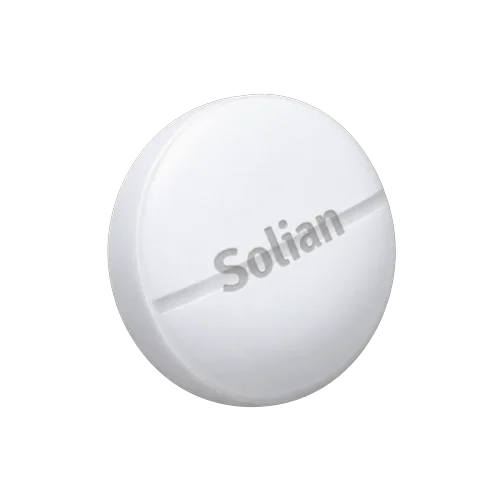
Do not split, crush or chew Solian unless the prescriber or pharmacist has confirmed that the specific tablet can be altered. The score line on a tablet does not automatically prove that it is suitable for dose division. EMA product information from 2024 should guide formulation-specific administration, especially when a patient has swallowing difficulty.
Do you offer anonymous delivery?
Your order will be securely packed and shipped within 24 hours. This is exactly what your package will look like (images of an actual item sent). It has the size and look of a regular private letter (24x11x0.7 cm) and its contents cannot be seen.
Comparison
Abilify
Solian Current
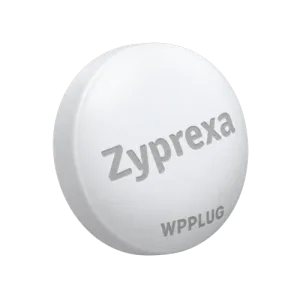
Zyprexa
Sources
- NICE (2014). Psychosis and schizophrenia in adults: prevention and management, Clinical Guideline CG178
- European Medicines Agency (2024). Summary of Product Characteristics (SmPC) — amisulpride
- European Medicines Agency (2024). Patient Information Leaflet (PIL) — amisulpride