Skip to content
Fast & Discrete Delivery Save up to 80%
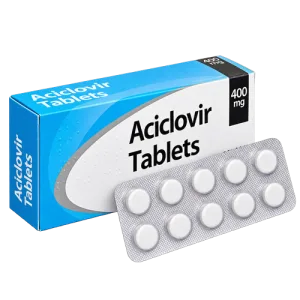
In stock Aciclovir
Antivirals

Aciclovir

Aciclovir is prescribed for adults and children with herpes simplex or varicella-zoster infections, including cold sores, genital herpes, shingles, and chickenpox. The regimen for the chosen tablet…

Guaranteed quality Original product
Delivery: from 4 days Discreet shipping
24/7 Support Always available
Active ingredient: Aciclovir
Select dosage:
Select pack Package Per unit Price
AED 6.17 AED 370.14
AED 5.17 AED 555.21 AED 465.66 Save 16%
AED 4.64 AED 740.28 AED 557.20 Save 25%
AED 4.02 AED 1,110.42 AED 724.36 Save 35%
Free Regular Delivery AED 3.67 AED 1,665.63 AED 991.02 Save 41%
Best value Free Express Delivery AED 3.50 AED 2,220.84 AED 1,261.66 Save 43%
AED 12.34 AED 370.14
AED 8.09 AED 740.28 AED 485.56 Save 34%
AED 6.59 AED 1,110.42 AED 593.02 Save 47%
AED 5.80 AED 1,480.56 AED 696.50 Save 53%
Free Regular Delivery AED 5.13 AED 2,220.84 AED 923.36 Save 58%
Free Express Delivery AED 4.66 AED 3,331.26 AED 1,257.68 Save 62%
Best value Free Express Delivery AED 4.40 AED 4,441.68 AED 1,584.04 Save 64%
AED 13.27 AED 398.00
AED 8.49 AED 796.00 AED 509.44 Save 36%
AED 6.90 AED 1,194.00 AED 620.88 Save 48%
AED 6.14 AED 1,592.00 AED 736.30 Save 54%
Free Regular Delivery AED 5.33 AED 2,388.00 AED 959.18 Save 60%
Free Express Delivery AED 4.83 AED 3,582.00 AED 1,305.44 Save 64%
Best value Free Express Delivery AED 4.54 AED 4,776.00 AED 1,635.78 Save 66%

Free delivery on orders from AED 796.00, free express delivery from AED 1,194.00

Secure payment methods:
VISA AMEX JCB DISCOVER

Aciclovir is prescribed for adults and children with herpes simplex or varicella-zoster infections, including cold sores, genital herpes, shingles, and chickenpox. The regimen for the chosen tablet strength should be confirmed with a healthcare professional before starting; aciclovir suppresses viral multiplication by interfering with viral DNA formation.

Overview

The active ingredient belongs to the antiviral agents used against Herpes simplex virus and Varicella-zoster virus. It does not remove these viruses from the body, but it limits their ability to multiply during an active episode. Oral tablets are used when systemic treatment is needed; topical products and eye preparations follow different treatment plans and should not be substituted for tablets.

What it is used for

Aciclovir is prescribed for adults and children with herpes simplex or varicella-zoster infections, including cold sores, genital herpes, shingles, and chickenpox. Early treatment can shorten symptoms and reduce new lesion development when started promptly [1].

Aciclovir may be prescribed for:

  • HSV-1 infections: commonly linked with cold sores around the lips and mouth.
  • HSV-2 infections: commonly linked with genital herpes, although either HSV type can affect the genital area.
  • Shingles: caused by reactivation of Varicella-zoster virus in a nerve pathway.
  • Chickenpox: caused by the same virus as shingles, with treatment decisions based on age, severity, immune status, and clinical risk.
  • Herpes simplex eye infections: these need targeted eye care because oral treatment alone may not address every ocular complication.

The term Simplexvirus refers to the viral group that includes HSV-1 and HSV-2. HSV-1 more often causes oral lesions, while HSV-2 more often causes genital infection, yet the clinical pattern is not absolute. A laboratory test or clinical examination may be needed when the site, symptoms, or recurrence pattern is uncertain.

Targeted viral pathogens

Virus Common clinical presentation Aciclovir role
HSV-1 Cold sores and some eye or genital infections Limits viral replication during active infection
HSV-2 Genital herpes and recurrent mucosal lesions Used for treatment or suppression when prescribed
Varicella-zoster virus Chickenpox and shingles Used according to age, severity, immune status, and timing

Early treatment matters most when symptoms are beginning. Tingling, burning, itching, or a small cluster of blisters may appear before the full outbreak.

For a recurrent cold sore, treatment is usually most useful when started at the first tingling or burning sensation rather than after several days of established blisters.

Formulation

Aciclovir is supplied here as oral tablets containing aciclovir. The tablet form is intended for systemic treatment of susceptible herpes virus infections. The regimen for the chosen strength should be confirmed with a healthcare professional before starting. It is swallowed rather than applied to the skin or placed in the eye.

Mechanism of action

Aciclovir is converted inside infected cells into its active triphosphate form. The first activation step depends mainly on viral thymidine kinase, an enzyme produced by herpes viruses. Cellular enzymes then complete the conversion into aciclovir triphosphate.

The active form competes with natural building blocks used by viral DNA polymerase. Once incorporated into a growing viral DNA chain, it prevents further extension. Viral DNA replication slows sharply, so fewer new virus particles are produced.

This selectivity explains why Aciclovir acts more strongly in infected cells than in uninfected cells. The drug does not destroy dormant herpes virus hidden in nerve tissue. Recurrences remain possible after treatment, especially with HSV-1, HSV-2, or Varicella-zoster infection.

A 2024 review indexed in PubMed describes acyclovir as a foundational anti-herpes compound whose activity depends on viral phosphorylation and inhibition of viral DNA polymerase [2]. The practical meaning is simple: Aciclovir controls multiplication during an episode, while the immune system handles the infection over time.

The active triphosphate has a much greater affinity for viral DNA polymerase than for most human cellular DNA polymerases. Resistance can occur, most often in severely immunocompromised patients, when viral thymidine kinase or DNA polymerase changes reduce drug activation or binding.

How to use it

Aciclovir tablets are taken by mouth with water. They may be taken with food or on an empty stomach. The prescribed schedule should be followed for the full course, even if lesions begin to heal sooner.

Practical administration points include:

  • Begin treatment as soon as the prescribed plan allows after symptoms appear.
  • Swallow each tablet with a full glass of water.
  • Keep doses spaced as evenly as possible across the day.
  • Continue for the prescribed duration unless a clinician changes the plan.
  • If a dose is missed, take it when remembered unless the next dose is close; do not double the next dose.
  • Drink regularly during tablet treatment, especially in hot weather or during fever.
  • Tell the prescriber about kidney disease, dehydration, or reduced urine output before treatment begins.

Aciclovir is cleared mainly through the kidneys. Dehydration can increase the risk of kidney-related problems, especially in older adults or people receiving higher systemic exposure. A missed dose does not usually justify taking two tablets together.

Set dose times around routine events such as breakfast, an afternoon break, and bedtime, while keeping the intervals consistent with the prescribed schedule.

The tablets do not prevent transmission of genital herpes in every situation. Active lesions can remain contagious, and barrier protection does not remove all transmission risk. Sexual contact during visible lesions or prodromal symptoms should be discussed within the clinical care plan.

Comparison

Aciclovir and valaciclovir are closely related antiviral agents. Valaciclovir is converted in the body into aciclovir and reaches higher systemic exposure after oral administration. That pharmacokinetic difference can allow less frequent dosing for some indications.

Feature Aciclovir Valaciclovir
Active antiviral form Aciclovir triphosphate inside infected cells Converted to aciclovir, then activated intracellularly
Oral absorption Lower than valaciclovir Higher after conversion in the body
Schedule May require more frequent doses May allow fewer daily doses for selected indications

Aciclovir remains useful when the prescribed regimen is practical and the patient can maintain regular dosing. Valaciclovir may be selected when a simpler schedule is clinically appropriate. Neither option eliminates latent herpes virus, and both require kidney-related dose consideration.

The choice depends on infection type, immune status, renal function, prior response, and the treatment objective. A more frequent schedule can work well when doses are taken consistently; a missed-dose pattern can reduce the benefit of any antiviral.

Common mistakes

Several avoidable habits can reduce treatment benefit or increase adverse effects:

  • Waiting until lesions are fully developed before starting a prescribed outbreak regimen.
  • Taking doses only when symptoms feel uncomfortable instead of following the schedule.
  • Doubling a dose after a missed tablet.
  • Taking tablets while dehydrated or during repeated vomiting without reporting the problem.
  • Crushing or chewing tablets when they are intended to be swallowed whole.
  • Stopping early because the skin looks better while the prescribed course is unfinished.
  • Assuming that one regimen applies equally to cold sores, genital herpes, shingles, and chickenpox.
  • Forgetting to mention probenecid, cimetidine, mycophenolate mofetil, or kidney disease.
  • Treating eye pain or visual symptoms as an ordinary skin outbreak.
Keep a simple written record of doses during an outbreak. It prevents accidental double dosing when sleep is disrupted by pain, fever, or itching.

A further misconception is that stronger symptoms always require extra tablets. The correct response to worsening symptoms is clinical reassessment, not self-increasing the dose.

When this is not for you

Aciclovir tablets are not suitable for everyone. The prescribing decision should account for kidney function, immune status, pregnancy, breastfeeding, allergy history, age, and the infection being treated.

Aciclovir is not for you if:

  • You previously had a serious allergic reaction to aciclovir or valaciclovir.
  • You have severe kidney impairment and no clinician has adjusted the regimen.
  • You cannot maintain fluid intake because of persistent vomiting or severe illness.
  • You have symptoms suggesting a serious complication that needs examination rather than routine antiviral treatment.
  • You are taking medicines that may increase kidney toxicity without a documented monitoring plan.

Renal impairment is a central consideration. Reduced kidney clearance can increase aciclovir concentrations and raise the risk of neurological or kidney-related adverse effects. Older adults may need closer assessment because kidney function can decline without obvious symptoms.

Pregnancy and breastfeeding require an individual clinical decision. Observational safety data have not shown a major increase in birth defects with aciclovir exposure, but the reason for treatment, infection severity, and maternal health still guide prescribing. Small amounts may pass into breast milk; the infant’s age, health, and the maternal regimen should be considered.

Hypersensitivity, renal impairment, hydration, and neurological reactions are key safety considerations [4].

Unwanted effects

Most reported reactions to oral Aciclovir are mild and short-lived. The NHS lists headache, dizziness, nausea, vomiting, diarrhoea, stomach ache, and skin reactions among possible adverse effects [3]. A person may experience none of these reactions, and side effects can also depend on kidney function, dose schedule, hydration, and other medicines.

Common or less severe effects may include:

  • Headache.
  • Feeling dizzy or faint.
  • Nausea or vomiting.
  • Diarrhoea.
  • Stomach ache or abdominal discomfort.
  • Rash or itching.

Taking tablets with food may make nausea easier to tolerate, even though food is not required for absorption. Persistent vomiting matters because it can cause dehydration and make it difficult to keep doses down.

Rare reactions require urgent medical assessment. These include swelling of the lips, tongue, face, or throat; breathing difficulty; collapse; widespread blistering or peeling skin; yellowing of the skin or eyes; severe confusion; hallucinations; seizures; or a marked reduction in urine.

Anaphylaxis is a medical emergency. Jaundice can signal liver or bile-flow problems and should not be ignored. Confusion, tremor, hallucinations, or unusual drowsiness are more concerning in older adults and people with impaired kidney function because aciclovir exposure can rise.

If vomiting prevents you from keeping tablets or fluids down, do not compensate with an extra dose. Contact the prescribing service promptly because dehydration and reduced kidney clearance can occur together.

A mild headache is different from sudden neurological symptoms. Seek urgent care for a new seizure, severe confusion, fainting, breathing difficulty, facial swelling, or rapidly spreading blistering rash.

What doctors say

In clinical practice, doctors usually judge Aciclovir by three factors: the virus involved, the timing of treatment, and the patient’s renal function. Starting promptly can reduce the duration or severity of some outbreaks, while starting late may still be appropriate for severe or progressive disease.

A clinician would also separate symptom control from viral eradication. Aciclovir can reduce viral replication, but it does not permanently remove HSV-1, HSV-2, or Varicella-zoster virus from nerve tissue. Recurrence does not automatically mean treatment failure.

One detail patients often miss is that shingles involving the face, eye, or ear needs prompt medical assessment. Facial weakness, eye pain, vision change, or a rash near the nose can indicate a higher-risk pattern.

Another practical issue is hydration. A person who takes tablets while feverish, vomiting, fasting, or exposed to intense heat may become dehydrated without recognising it. Regular fluid intake supports renal clearance, though people with prescribed fluid restrictions need individual instructions.

The World Health Organization identifies herpes simplex and varicella-zoster infections as major viral conditions requiring context-specific clinical management, including attention to complications and vulnerable patients [5].

What customers often ask

Can Aciclovir be taken with food or on an empty stomach?

Aciclovir tablets can generally be taken with food or without food, and food does not determine whether the antiviral can work. Taking a tablet after a light meal may reduce stomach discomfort for some people. NHS medicine guidance published in 2024 describes oral aciclovir as suitable with or without food. Water remains important because the medicine is cleared through the kidneys. Patients should follow the prescribed schedule.

Can people under 18 use Aciclovir?

Children and teenagers may receive Aciclovir when a clinician considers the infection, age, weight, immune status, and kidney function. The tablet strength and schedule must be chosen for the individual rather than copied from an adult regimen. Paediatric use is described in EMA product information published in 2023, with dosing decisions linked to the condition being treated. Parents should report difficulty swallowing, dehydration, persistent vomiting, or reduced urination promptly.

How soon does Aciclovir begin to have an effect?

Aciclovir starts inhibiting viral replication after it is absorbed and activated inside infected cells, but visible symptom improvement usually takes time. Pain, tingling, or new lesions may not stop immediately after the first tablet. WHO clinical information published in 2023 supports early antiviral treatment as the point at which benefit is most likely to be achieved. Severe, spreading, or eye-related symptoms need assessment even when treatment has already started.

What should happen if the expected result does not come?

Do not increase the dose or extend the course independently if lesions continue to appear. A clinician may need to reassess the diagnosis, timing, adherence, immune status, kidney function, or the possibility of antiviral resistance. FDA prescribing information updated in 2019 identifies treatment response and patient factors as relevant when managing herpes virus infections. Contact the prescribing service if symptoms worsen, fail to improve within the expected clinical course, or involve the eye, brain, or widespread skin.

Which symptoms mean stopping Aciclovir and seeking urgent medical care?

Urgent assessment is needed for breathing difficulty, swelling of the face or throat, collapse, widespread blistering or peeling skin, severe confusion, seizure, yellow skin or eyes, or a major reduction in urine. These symptoms may indicate anaphylaxis, severe skin reaction, neurological toxicity, liver involvement, or kidney complications. MOHAP safety information published in 2023 and established antiviral safety guidance support urgent evaluation for severe allergic or systemic reactions. Do not take another dose after a suspected serious allergic reaction unless an emergency clinician gives specific instructions.

Do you offer anonymous delivery?

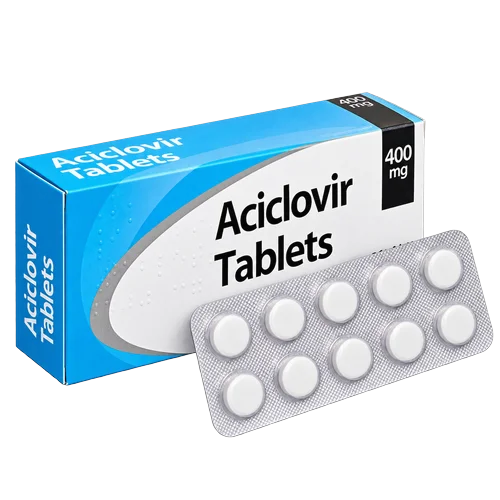
Your order will be securely packed and shipped within 24 hours. This is exactly what your package will look like (images of an actual item sent). It has the size and look of a regular private letter (24x11x0.7 cm) and its contents cannot be seen.

Comparison

Antivirals: all medicines side by side

Customer Feedback on Aciclovir

Based on 4 reviews

Ali, 67 Verified
Rating: 5 out of 5

I started the tablets after the tingling became painful. The cold sore settled over several days, but I had a mild headache and made sure to drink more water. I found it easier to remember the doses when I linked them with meals.

Khor Fakkan Several days 27 Oct 2026
Lina S., 27 Verified
Rating: 3 out of 5

The first genital herpes episode was more uncomfortable than I expected. Aciclovir did not make the symptoms disappear immediately, although new lesions stopped appearing after a few days. I completed the prescribed course and avoided taking an extra tablet when I missed one.

Jumeirah A few days 30 Sep 2026
Sultan, 58 Verified
Rating: 3 out of 5

I used the tablets during shingles treatment. The rash was still sore at first, so I was disappointed, but the pain and new blistering gradually eased. My clinician also reviewed my kidney function and other medicines.

Khalifa City During shingles treatment 7 Oct 2026
Mona, 52 Verified
Rating: 3.5 out of 5

I felt nauseated after one dose and took later doses with food. That helped. The treatment was manageable, though I needed a reminder because the schedule was more frequent than I expected.

Bur Dubai 15 Oct 2026

Sources

  1. NHS (2024). How and when to take aciclovir.
  2. PubMed (2024). Acyclovir — indexed biomedical literature and review records.
  3. NHS (2024). Side effects of aciclovir.
  4. FDA (2019). Zovirax (acyclovir) prescribing information.
  5. World Health Organization (2023). Herpes simplex virus fact sheet.
Get our free app Shop faster and track your orders 3.4 · 316 reviews Install