Skip to content
Fast & Discrete Delivery Save up to 80%
In stock Zovirax
Antivirals

Zovirax

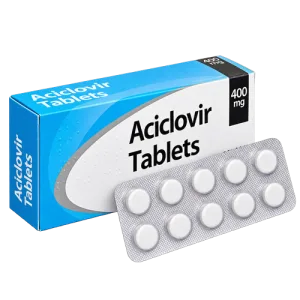
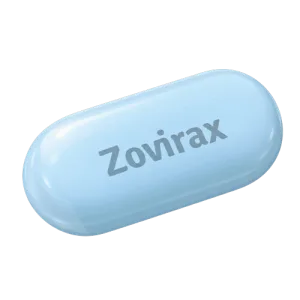
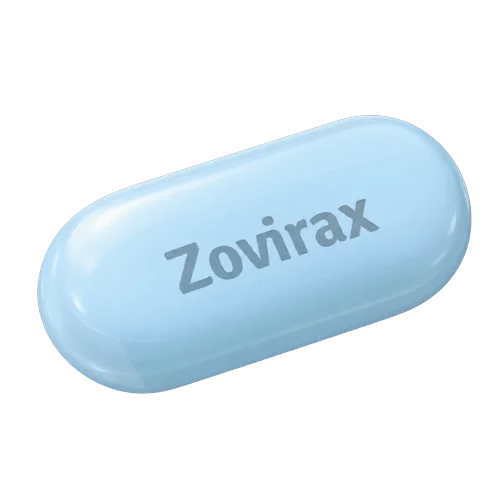
Zovirax tablets are taken by mouth, with or without food, for infections caused by herpes viruses. Treatment works best when started promptly after symptoms appear.

Guaranteed quality Original product
Delivery: from 4 days Discreet shipping
24/7 Support Always available
Active ingredient: Acyclovir
Select dosage:
Select pack Package Per unit Price
AED 2.85 AED 513.42
Best value Free Regular Delivery AED 2.54 AED 1,026.84 AED 915.40 Save 11%
AED 7.30 AED 437.80
AED 6.46 AED 656.70 AED 581.08 Save 12%
AED 6.10 AED 875.60 AED 732.32 Save 16%
Free Regular Delivery AED 5.70 AED 1,313.40 AED 1,026.84 Save 22%
Free Express Delivery AED 5.45 AED 1,970.10 AED 1,472.60 Save 25%
Best value Free Express Delivery AED 5.34 AED 2,626.80 AED 1,922.34 Save 27%
AED 22.95 AED 688.54
Free Regular Delivery AED 17.25 AED 1,377.08 AED 1,034.80 Save 25%
Free Express Delivery AED 15.39 AED 2,065.62 AED 1,385.04 Save 33%
Free Express Delivery AED 14.59 AED 2,754.16 AED 1,751.20 Save 36%
Free Express Delivery AED 13.60 AED 4,131.24 AED 2,447.70 Save 41%
Free Express Delivery AED 12.99 AED 6,196.86 AED 3,506.38 Save 43%
Best value Free Express Delivery AED 12.67 AED 8,262.48 AED 4,561.08 Save 45%

Free delivery on orders from AED 796.00, free express delivery from AED 1,194.00

Secure payment methods:
VISA AMEX JCB DISCOVER

Zovirax tablets are taken by mouth, with or without food, for infections caused by herpes viruses. Treatment works best when started promptly after symptoms appear.

Overview

Zovirax tablets are taken by mouth, with or without food, for infections caused by herpes viruses. They contain acyclovir, an antiviral that interferes with viral DNA production in herpes simplex and varicella-zoster infections.

What it is used for

Zovirax may be prescribed for several herpes-virus conditions. The appropriate regimen depends on the diagnosis, immune status, kidney function, age, body weight, and whether the infection is a first episode, a recurrence, or a severe presentation.

Condition Main virus involved Treatment goal
Cold sores and oral herpes Herpes simplex virus Limit viral multiplication and support faster lesion resolution
Genital herpes Herpes simplex virus Treat an episode or reduce recurrent episodes under a prescribed plan
Shingles Varicella-zoster virus Reduce viral activity and help limit the acute episode
Chickenpox Varicella-zoster virus Treat selected cases when antiviral therapy is clinically appropriate

Cold sores often begin with tingling, burning, or itching before blisters appear. Starting treatment during this early phase can be more useful than waiting until lesions have fully developed.

Genital herpes may require episodic treatment during an outbreak or suppressive treatment when recurrences are frequent. Suppressive treatment reduces the number of outbreaks for some patients, but it does not eliminate transmission risk. Barrier protection and avoidance of sexual contact during active lesions remain relevant clinical measures. Transmission can occur without visible lesions. Medical advice can help reduce transmission risk.

Shingles produces a painful, usually one-sided rash in a band-like distribution. Facial involvement, eye symptoms, ear symptoms, widespread lesions, severe pain, or neurological symptoms need prompt medical assessment because complications can require specialist treatment.

The phrase “Cold Sore Cream” refers to a topical formulation rather than these oral tablets.

Oral Zovirax and topical antiviral treatment have different routes, dosing instructions, and clinical uses.

Formulation

Zovirax contains acyclovir, an antiviral medicine in the nucleoside analogue class. It is used for susceptible herpes simplex virus infections and selected varicella-zoster virus infections, including genital herpes, cold sores, chickenpox, and shingles. Acyclovir reduces the ability of the virus to multiply; it does not remove the virus from the body.

The tablet is taken orally.

Food does not prevent acyclovir absorption, so it can generally be taken with meals or between meals. Adequate fluid intake is useful during oral treatment, especially in older adults or people with reduced kidney function.

Role of Acyclovir in Viral Inhibition

After entering an infected cell, acyclovir is converted into its active triphosphate form through several phosphorylation steps. The first step depends mainly on a viral enzyme called thymidine kinase. This gives acyclovir greater activity in infected cells than in most uninfected cells.

The active form then inhibits viral DNA polymerase and can interrupt the growing viral DNA chain. Viral replication slows, which may shorten the duration or reduce the severity of an outbreak when treatment begins early. Zovirax does not cure latent herpes infection, so the virus can remain inactive in nerve tissue and reactivate later [1].

A practical point is easy to miss: acyclovir works against viral replication, not against pain alone. A person may still need separate advice for discomfort, fever, or skin care while the antiviral treatment addresses the infection itself.

Mechanism of action

Zovirax acts after activation inside virus-infected cells. Its active metabolite inhibits viral DNA polymerase, while the body’s own DNA polymerase is affected much less at therapeutic exposure. The result is selective suppression of herpes-virus replication rather than a direct destruction of every infected cell.

How to use it

The exact Zovirax tablet regimen for the chosen strength must be confirmed with a healthcare professional before starting. Acyclovir schedules differ according to the infection, treatment purpose, kidney function, immune status, age, and body weight.

  • Take the tablets by mouth at the prescribed intervals.
  • Swallow each dose with water.
  • Take doses at evenly spaced times when possible.
  • Continue for the full prescribed duration, even if lesions begin to improve.
  • If a dose is missed, take it when remembered unless the next scheduled dose is near.
  • Do not double the next dose to compensate for a missed tablet.
  • Keep fluid intake adequate unless a clinician has given a fluid restriction.
  • Do not change the regimen for recurrent herpes without clinical advice.

The dose for children is calculated differently from the dose for adults and may depend on body weight. Kidney impairment can require a longer interval or a reduced amount because acyclovir is cleared mainly through the kidneys. Dehydration increases the risk of kidney-related adverse effects.

If a dose is forgotten, avoid taking two tablets together. Resume the prescribed schedule unless a clinician gives different instructions.

Acyclovir treatment is most useful when started early. For cold sores and genital herpes, early symptoms such as tingling, burning, itching, or new blisters can be clinically relevant. For shingles, prompt treatment matters because delayed antiviral therapy may provide less benefit, especially when complications are possible.

Do not crush, chew, or split a tablet unless the prescribed product and clinical instructions specifically allow it. Altering a solid oral dosage form can make swallowing difficult and may lead to an inaccurate dose.

Comparison

Zovirax acts after activation inside virus-infected cells. Its active metabolite inhibits viral DNA polymerase, while the body’s own DNA polymerase is affected much less at therapeutic exposure. The result is selective suppression of herpes-virus replication rather than a direct destruction of every infected cell.

Approach Main active principle Practical distinction
Zovirax tablets Acyclovir Oral antiviral therapy for selected herpes simplex and varicella-zoster infections
Prodrug approach Valacyclovir Converted to acyclovir in the body and may allow less frequent administration in some regimens
Supportive treatment alone Pain relief and skin care Helps symptoms but does not directly inhibit viral DNA replication

Acyclovir and valacyclovir are pharmacologically related, but they are not interchangeable tablet-for-tablet. The chosen option depends on the infection, renal function, adherence considerations, treatment history, and prescribing judgment.

Antibiotics do not treat herpes simplex or varicella-zoster viruses. They may be used only when a separate bacterial infection develops, such as bacterial infection of damaged skin.

Common mistakes

Several avoidable mistakes can reduce the benefit of treatment or increase risk:

  • Starting tablets days after symptoms have become severe.
  • Taking doses irregularly and then taking several together.
  • Stopping as soon as blisters look less inflamed.
  • Ignoring fluid intake during vomiting, fever, or diarrhoea.
  • Treating every rash as herpes without obtaining a diagnosis.
  • Assuming oral tablets prevent all genital herpes transmission.
  • Forgetting to mention kidney disease or older age.
  • Using an old prescription for a new rash with different features.
  • Assuming a topical cream and oral tablets have identical instructions.

One detail patients often overlook is the difference between a recurrence and a first episode. A first genital herpes episode can be more extensive and may need a different clinical approach from a familiar, brief recurrence.

Another common error is confusing pain relief with antiviral treatment. Pain may improve while viral replication continues, or lesions may begin healing while nerve pain persists. These symptoms should be assessed separately.

Who should not use it

The main contraindication is a known serious hypersensitivity to acyclovir, valacyclovir, or an excipient in the prescribed formulation.

Kidney function deserves attention because acyclovir is eliminated through the kidneys. Older adults, people with chronic kidney disease, and those taking other medicines that may affect renal function may need clinical monitoring and a modified regimen. The WHO identifies renal dosing and hydration as important safety considerations for medicines cleared predominantly through the kidneys [2].

Tell the prescriber about kidney disease, neurological disease, immune suppression, pregnancy, breastfeeding, and all medicines being used. Medicines that can affect kidney function may increase the need for monitoring. The risk is not determined only by the tablet strength; it also depends on the patient’s physiology and the treatment schedule.

When this is not for you

This Medication Is Not for You If

  • You have previously had a serious allergic reaction to acyclovir or valacyclovir.
  • You have severe kidney disease without an adjusted treatment plan.
  • You cannot maintain fluid intake and are becoming dehydrated.
  • You develop a rapidly spreading rash, blistering, facial swelling, or breathing difficulty after a dose.
  • You have confusion, hallucinations, seizures, or a major reduction in urine output during treatment.

Zovirax does not prevent all transmission of genital herpes. Lesions may remain infectious while healing, and asymptomatic viral shedding can occur. Treatment decisions should include sexual-health advice when genital herpes is involved.

Before starting treatment, mention any history of reduced kidney function and any previous episode of confusion after an antiviral. These details can change the regimen even when the infection appears mild.

Unwanted effects

Many people tolerate oral acyclovir without serious problems. Reported adverse effects include headache, nausea, vomiting, diarrhoea, abdominal discomfort, tiredness, dizziness, and skin reactions. The likelihood can rise when renal clearance is reduced or when the person becomes dehydrated.

Common practical problems include:

  • Nausea or stomach discomfort after a dose.
  • Headache or light-headedness.
  • Itching or a mild rash.
  • Tiredness during an active viral illness.
  • Temporary diarrhoea or vomiting.

Taking the tablet with food may make stomach discomfort easier for some people, even though food is not required for absorption. A rash should not automatically be dismissed as part of the viral infection, especially if it spreads quickly or affects the mouth, eyes, or throat.

Rare but serious reactions include confusion, hallucinations, tremor, seizures, severe drowsiness, reduced urine output, and acute kidney injury. Neuropsychiatric reactions are more likely in older adults and people with impaired kidney function. Very low urine volume, sudden confusion, or severe weakness requires urgent assessment.

A sudden change in alertness during oral acyclovir treatment is not a routine cold-sore symptom. Stop further doses until urgent medical advice is obtained if confusion, hallucinations, or marked drowsiness develops.

Severe allergic reactions can include facial or throat swelling, breathing difficulty, blistering skin, or extensive peeling. These symptoms require emergency care.

Topical irritation applies to cream preparations and should not be assumed to describe the tablet formulation. Oral tablets can still cause generalised skin reactions, including rare severe reactions.

What doctors say

Clinicians generally view acyclovir as most useful when the diagnosis is clear and treatment begins early. A cold sore, genital lesion, shingles rash, and chickenpox can look different, so the same tablet schedule is not suitable for every presentation.

Doctors also assess the purpose of treatment. An isolated cold sore may need a short episodic regimen, while frequent genital herpes recurrences may lead to discussion of suppressive therapy. Shingles involving the eye, face, ear, or nervous system needs rapid medical assessment rather than self-directed treatment.

A physician would also consider whether the illness is uncomplicated. Immunocompromised patients may have more extensive disease, prolonged viral shedding, or a higher risk of complications. In those cases, oral treatment may not be sufficient and further evaluation may be required.

The clinical benefit is usually measured by reduced lesion progression, shorter episode duration, reduced viral activity, or fewer recurrences. Acyclovir does not guarantee that every outbreak will stop immediately, and residual pain or skin sensitivity may continue after viral replication has declined. MHRA product information describes these distinctions between antiviral activity, symptom improvement, and recurrence prevention [3].

What customers often ask

Does Zovirax cause nausea?

Nausea is a recognised adverse effect of oral acyclovir, along with vomiting, diarrhoea, headache, and abdominal discomfort. FDA prescribing information reviewed in 2025 lists gastrointestinal symptoms among reported reactions to systemic acyclovir. Taking a dose with food may reduce stomach discomfort for some people, but persistent vomiting can contribute to dehydration and needs medical attention.

Can Zovirax be used during pregnancy or breastfeeding?

Acyclovir may be considered during pregnancy when the expected clinical benefit justifies treatment, and the decision depends on the infection and the patient’s circumstances. The NHS and EMA information available in 2025 describe acyclovir as a medicine that may be prescribed during pregnancy when clinically indicated. Acyclovir passes into breast milk in small amounts, so breastfeeding decisions should account for the maternal infection, infant age, and prescribed regimen.

What should I do after missing a Zovirax dose?

Take the missed dose when remembered unless the next dose is close. If the next scheduled dose is near, skip the missed dose and continue at the usual time; do not take two doses together. Clinical dosing principles in the WHO Model Formulary (2008) support avoiding dose doubling because it does not reliably restore antiviral exposure and may increase adverse effects.

Can older adults take Zovirax?

Older adults can receive acyclovir when it is clinically appropriate, but kidney function and hydration deserve close attention. The American Geriatrics Society guidance available in 2023 supports careful medication review in older adults because reduced renal clearance can increase exposure to renally eliminated medicines. New confusion, unusual drowsiness, tremor, or reduced urine output should prompt urgent assessment.

What should be discussed with a doctor before starting Zovirax?

Discuss kidney disease, dehydration, pregnancy, breastfeeding, immune suppression, neurological conditions, previous reactions to acyclovir or valacyclovir, and all current medicines. MOHAP guidance on prescription medicines in the UAE from 2024 emphasises the importance of relevant medical history when treatment may require dose adjustment. Mention whether the rash is a first episode, a recurrence, painful, widespread, or near the eye.

Can people under 18 use Zovirax?

Children and adolescents may be prescribed acyclovir for selected infections, but the regimen depends on age, body weight, diagnosis, and kidney function. Paediatric dosing principles in the 2024 British National Formulary for Children require an age-appropriate or weight-based approach rather than simply using an adult schedule. A child with chickenpox, widespread lesions, dehydration, or a weakened immune system needs prompt clinical assessment.

Which symptoms mean stopping Zovirax and seeking urgent medical care?

Emergency assessment is needed for breathing difficulty, facial or throat swelling, blistering or peeling skin, severe widespread rash, confusion, hallucinations, seizures, fainting, or a major reduction in urine output. These symptoms may indicate a severe allergic reaction, neurological toxicity, or kidney injury. The FDA safety information reviewed in 2025 identifies serious hypersensitivity, neurological reactions, and renal complications as reasons for urgent evaluation.

Do you offer anonymous delivery?

Your order will be securely packed and shipped within 24 hours. This is exactly what your package will look like (images of an actual item sent). It has the size and look of a regular private letter (24x11x0.7 cm) and its contents cannot be seen.

Comparison

Antivirals: all medicines side by side

Customer Feedback on Zovirax

Based on 4 reviews

Karim, 26 Verified
Rating: 4 out of 5

I started the tablets during the tingling stage of a cold sore. The lesion still appeared, but it was smaller and settled sooner than my previous episodes. I had mild nausea after the first few doses, which improved when I took them with food.

Bur Dubai 29 Oct 2026
Hamza C., 31 Verified
Rating: 3.5 out of 5

The tablets were prescribed for a genital herpes recurrence. I expected the discomfort to disappear immediately, but the pain took several days to ease. Taking the doses at consistent times was easier than I expected, although I nearly doubled one dose after forgetting it.

Madinat Zayed 30 Sep 2026
Rajesh C., 55 Verified
Rating: 4 out of 5

I used Zovirax during shingles treatment and noticed the rash stopped spreading after the early days. The burning pain remained longer, so I needed separate advice about pain control. I was glad the clinician reviewed my kidney function before confirming the regimen.

Ruwais 8 Oct 2026
Mohammed Z., 34 Verified
Rating: 3 out of 5

The treatment helped with a recurrent cold sore, but I developed an itchy rash away from the original area. I stopped taking further tablets and sought urgent medical advice rather than assuming it was part of the outbreak.

Liwa 16 Oct 2026

Sources

  1. FDA (2025). Acyclovir — Prescribing Information.
  2. WHO (2008). WHO Model Formulary.
  3. MHRA (2023). Zovirax 200 mg Tablets — Summary of Product Characteristics.
Get our free app Shop faster and track your orders 3.4 · 316 reviews Install