The aching eased enough for me to sleep and move around normally. I took it after dinner because my stomach felt uncomfortable when I tried it without food.
Deira Several days 30 Sep 2026
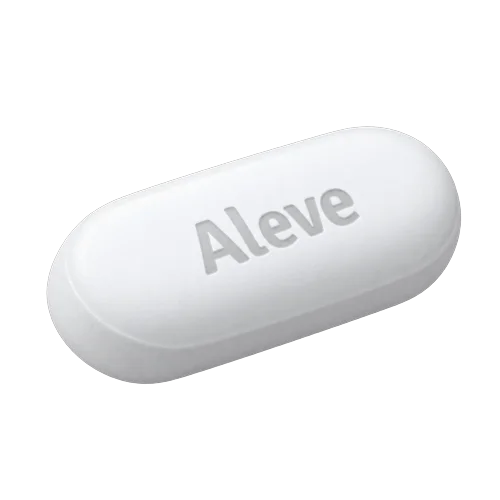
Aleve
Aleve tablets are taken by mouth for short-term relief of minor pain and inflammation. Its longer action can provide relief for up to 8–12 hours.
Overview
Aleve tablets are taken by mouth for short-term relief of minor pain and inflammation. They contain naproxen sodium, an NSAID used for headaches, muscle aches, back pain, toothache, menstrual cramps, and minor arthritis pain.
What it is used for
Aleve is used for temporary relief of minor aches and pains. Common uses include:
- Headache and tension-related head pain
- Muscle aches after physical activity
- Lower back pain
- Toothache
- Menstrual cramps
- Minor pain associated with arthritis
- Minor sprains and other soft-tissue discomfort
The medicine can help with both pain and inflammation. It is more suitable for inflammatory aches than for every type of pain, and it does not treat the underlying cause of an infection, dental problem, injury, or arthritis.
| Pain pattern | Typical symptoms | Expected role of Aleve |
|---|---|---|
| Muscle or back pain | Soreness, stiffness, movement-related discomfort | Reduces pain and inflammatory tenderness |
| Headache or toothache | Localised aching or throbbing | Provides temporary analgesic relief |
| Menstrual or arthritis pain | Cramping, joint stiffness, swelling | Reduces prostaglandin-related pain and inflammation |
Aleve is intended for short-term self-care when the pain is minor and the cause is familiar. Persistent, severe, or unexplained pain requires assessment because suppressing symptoms can delay treatment of the underlying condition.
Formulation
Aleve contains naproxen sodium, a nonsteroidal anti-inflammatory drug (NSAID). Naproxen sodium differs from simple pain relievers because it addresses inflammation as well as discomfort. That makes it useful when pain is accompanied by swelling, stiffness, or inflammatory tenderness.
Mechanism of action
Naproxen sodium reduces pain, swelling, and tenderness by limiting the production of prostaglandins, chemical messengers involved in inflammation and pain signalling. The active ingredient is absorbed after oral administration and converted to naproxen, the compound responsible for its analgesic and anti-inflammatory effects [1].
Pharmacological class and mechanism
Naproxen sodium inhibits cyclooxygenase enzymes, commonly called COX-1 and COX-2. These enzymes help produce prostaglandins. When prostaglandin production falls, pain sensitivity and inflammatory swelling usually decrease.
The same pathway explains some of naproxen’s risks. Prostaglandins also help protect the stomach lining, support kidney blood flow, and contribute to normal platelet function. Blocking them can therefore cause gastrointestinal, renal, or bleeding complications in susceptible people.
How to use it
The regimen for the chosen Aleve strength should be confirmed with a healthcare professional before starting. The appropriate amount depends on the product strength, the reason for use, age, kidney function, stomach history, and other medicines.
Use Aleve according to these practical principles:
- Take the tablets orally with water.
- Take them with food or milk if stomach upset occurs.
- Use the lowest amount that controls the pain.
- Keep doses separated according to the confirmed regimen.
- Do not exceed the maximum amount advised for 24 hours.
- Do not combine Aleve with another naproxen-containing product.
- Avoid combining it with another NSAID unless a clinician specifically directs this.
- Stop self-treatment and seek medical assessment if pain worsens, returns repeatedly, or lasts beyond the intended short-term period.
If a dose is missed, take it when remembered only if the next scheduled dose is not close. If the next dose is near, skip the missed dose rather than doubling. A double dose increases adverse-effect risk without providing a reliable improvement in pain control.
One practical mistake is taking Aleve alongside ibuprofen for stronger relief. Both medicines are NSAIDs, so the combination raises gastrointestinal and kidney risks rather than creating a simple additive benefit.
Naproxen sodium has a longer duration of action than many shorter-acting analgesics. Relief may begin after oral absorption, while the full benefit can take longer when pain is severe or inflammation has been present for several days. A dose commonly provides relief for about 8–12 hours, although the duration varies with the person, the pain source, and the dose selected.
The longer action can reduce the need for repeated dosing during the day. It can also increase the chance of side effects if doses are taken too close together, so the regimen confirmed with a healthcare professional should be followed precisely.
Clinical guidance from the NHS and European medicines authorities treats naproxen as an NSAID requiring the lowest suitable dose for the shortest necessary period [2].
Comparison
Aleve, ibuprofen, and acetaminophen have different pharmacological profiles. Choosing between them depends on whether inflammation is present, how long relief is needed, and the person’s medical history.
| Option | Main action and duration | Key limitation |
|---|---|---|
| Aleve, naproxen sodium | Analgesic and anti-inflammatory action; often lasts 8–12 hours | Stomach, kidney, bleeding, and cardiovascular risks |
| Ibuprofen | Analgesic and anti-inflammatory action; generally shorter acting | More frequent dosing may be needed; similar NSAID risks |
| Acetaminophen | Pain and fever relief with little peripheral anti-inflammatory action | Excessive intake can damage the liver |
Naproxen may suit inflammatory pain that returns during the day because its action is relatively prolonged. Ibuprofen may be preferred when a shorter duration is useful or when flexible timing matters. Acetaminophen may be considered when inflammation is not central, though liver disease and alcohol intake change its suitability.
These medicines are not interchangeable for every person. A history of stomach ulcer, kidney disease, heart disease, uncontrolled blood pressure, liver disease, or anticoagulant use can change the preferred option.
Common mistakes
Several habits make Aleve less suitable or less predictable:
- Taking it together with ibuprofen, diclofenac, or another NSAID
- Repeating a dose before the confirmed interval has passed
- Using it for unexplained pain that keeps returning
- Taking it during dehydration
- Assuming food eliminates ulcer or bleeding risk
- Forgetting to mention anticoagulants, steroids, lithium, or blood-pressure medicines
- Continuing self-treatment after black stools, severe stomach pain, or allergic symptoms
- Using alcohol heavily while taking repeated doses
Another common error is judging the treatment only by pain intensity. Swelling, mobility, fever, dental symptoms, and the duration of pain also matter. A medicine that masks pain without addressing an abscess, fracture, or inflammatory disease can postpone necessary care.
Who should not use it
Avoid Aleve or obtain specific medical direction before use if you have:
- A current or previous stomach ulcer or gastrointestinal bleeding
- Severe kidney disease
- Significant liver disease
- Serious heart failure or uncontrolled hypertension
- A known bleeding disorder
- Recent or planned coronary artery bypass surgery
- Pregnancy in the third trimester
- A previous severe skin reaction to an NSAID
Naproxen can interact with anticoagulants such as warfarin, antiplatelet medicines, corticosteroids, selective serotonin reuptake inhibitors, lithium, methotrexate, diuretics, ACE inhibitors, and angiotensin-receptor blockers. Combining NSAIDs with anticoagulants or corticosteroids can raise bleeding risk. Combining them with certain blood-pressure medicines or diuretics can impair kidney function.
When this is not for you
Aleve is not suitable for everyone. This medication is not for you if you have had an allergic reaction, asthma attack, hives, or breathing difficulty after taking naproxen, aspirin, or another NSAID.
People with asthma should mention any previous aspirin-sensitive breathing reaction. Nasal polyps, chronic rhinosinusitis, and NSAID-triggered wheezing can increase the chance of another reaction.
Pregnancy requires specific caution. NSAID use later in pregnancy can affect the fetus and labour, while early-pregnancy use also requires individual assessment. Breastfeeding decisions should account for the dose, duration, and clinical need.
Unwanted effects
The most common problems with naproxen involve the digestive system. Possible effects include indigestion, heartburn, nausea, stomach discomfort, diarrhoea, and constipation. Taking the tablet with food may ease mild stomach upset, but it does not remove the risk of ulceration or gastrointestinal bleeding.
Other possible effects include dizziness, headache, fluid retention, and a rise in blood pressure. Kidney function can worsen in people who are dehydrated, older, or already have kidney disease. Naproxen can also reduce the effectiveness of some blood-pressure medicines.
Seek urgent medical attention for:
- Black or bloody stools
- Vomiting blood or material resembling coffee grounds
- Severe or persistent stomach pain
- Chest pain, sudden weakness, or breathlessness
- Facial swelling, wheezing, or difficulty breathing
- A widespread blistering or peeling rash
- Markedly reduced urination
NSAIDs carry cardiovascular warnings, including a possible increased risk of heart attack or stroke, especially with higher doses or prolonged use. The FDA describes these risks in its NSAID safety communication and product labelling [3].
Alcohol can worsen stomach irritation and may increase bleeding risk. Dehydration from vomiting, diarrhoea, intense exercise, or hot weather can also place extra stress on the kidneys while taking an NSAID.
What doctors say
In clinical practice, physicians usually assess the cause of pain before choosing an NSAID. A short course may be reasonable for a familiar muscle ache or menstrual cramp, while persistent back pain, tooth pain, or joint swelling may need examination.
Doctors also look for preventable risk factors. The relevant questions include previous ulcers, kidney function, blood pressure, heart disease, pregnancy, alcohol intake, and the complete medicine list. A patient taking warfarin, aspirin, a corticosteroid, or an SSRI may need a different plan.
The European Medicines Agency supports limiting systemic NSAID exposure to the lowest useful dose and shortest appropriate duration. MOHAP also provides the local regulatory context for medicines used in the United Arab Emirates.
Naproxen can be useful because it combines analgesic and anti-inflammatory activity with longer coverage. Its limitation is equally clear: longer exposure can mean more opportunity for stomach, renal, bleeding, or cardiovascular complications.
What customers often ask
What should be discussed with a doctor before starting Aleve?
Discuss ulcers, gastrointestinal bleeding, kidney disease, heart disease, high blood pressure, asthma reactions, pregnancy, and current medicines. The FDA’s NSAID information remains relevant in 2026 because these risks can occur even with non-prescription use. Include anticoagulants, corticosteroids, aspirin, antidepressants, lithium, diuretics, and blood-pressure medicines in the medication history. A pharmacist can review the list before treatment begins. This review can help identify duplicate NSAID use or interactions.
What should I do after missing an Aleve dose?
Take the missed dose only when the next scheduled dose is not close. If the next dose is due soon, skip the missed dose and return to the confirmed regimen; never double the amount. NHS patient guidance published before 2026 uses this approach to reduce accidental NSAID overexposure.
Can Aleve be combined with blood thinners or other supplements?
Naproxen may interact with warfarin and other anticoagulants, antiplatelet medicines, corticosteroids, and some supplements that can increase bleeding risk. WHO medicine-safety principles published in 2019 support checking the full combination before use, especially when several agents affect clotting or the stomach lining. Do not add aspirin or another NSAID without specific medical direction.
How soon can Aleve start relieving pain?
Some people notice improvement after oral absorption, while the strongest relief may take longer depending on the pain and inflammation. EMA information on naproxen published in 2017 supports its use as a longer-acting NSAID, with relief commonly extending for several hours. If pain remains severe or repeatedly returns despite use, the cause needs assessment rather than repeated unsupervised dosing.
Can people under 18 use Aleve?
Use in people under 18 should be guided by an appropriate clinician because suitability depends on age, weight, formulation, indication, and medical history. The American Academy of Pediatrics guidance published in 2023 and regulatory guidance distinguish paediatric dosing from adult self-care. Do not give an adult regimen to a child or teenager.
Which diet, exercise, or habits can help or hinder the result?
Adequate hydration supports kidney protection, while heavy alcohol intake can increase stomach and bleeding risks. Gentle movement may help stiffness, but intense exercise during dehydration can add renal stress. WHO guidance published in 2019 emphasizes that medicine use should be considered alongside hydration, injury recovery, and the cause of pain rather than used to push through worsening symptoms.
Can Aleve cause heartburn?
Yes. Heartburn, indigestion, nausea, and stomach discomfort are recognised NSAID effects. NHS information updated before 2026 advises taking naproxen with food or milk when appropriate, while persistent burning, severe pain, black stools, or vomiting blood requires urgent medical assessment.
Do you offer anonymous delivery?
Your order will be securely packed and shipped within 24 hours. This is exactly what your package will look like (images of an actual item sent). It has the size and look of a regular private letter (24x11x0.7 cm) and its contents cannot be seen.
Comparison
Aleve Current
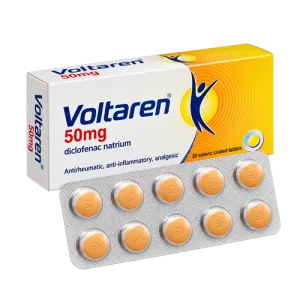
Voltaren
Sources
- FDA (2022). Aleve (naproxen sodium) Drug Facts Label.
- NHS (2024). How and when to take naproxen.
- FDA (2015). FDA Drug Safety Communication: FDA strengthens warning that non-aspirin nonsteroidal anti-inflammatory drugs increase chance of heart attack or stroke.