The knee swelling eased by the second day, and walking downstairs became easier. I took it after dinner because the first tablet caused mild heartburn. I stopped when the planned course ended rather than carrying on for every ache.
Al Barsha Six days 30 Sep 2026
Voltaren
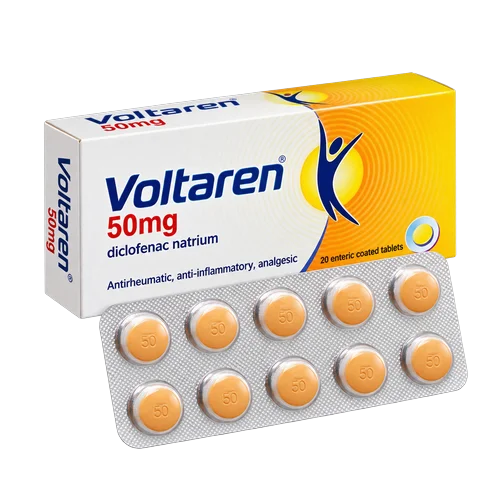
Voltaren is an oral diclofenac medicine for adults with inflammatory pain, arthritis, and musculoskeletal discomfort. It helps reduce prostaglandins, easing pain, swelling, and restricted movement.
Overview
Diclofenac sodium, the active ingredient of Voltaren, is an NSAID tablet for adults with inflammatory pain, arthritis, and musculoskeletal discomfort.
What it is used for
Voltaren may be prescribed for inflammatory pain affecting joints, muscles, tendons, or other musculoskeletal tissues. Common clinical uses include osteoarthritis, rheumatoid arthritis, acute musculoskeletal injury, inflammatory back pain, and painful soft-tissue conditions.
The medicine can help with:
- Joint pain and swelling associated with osteoarthritis.
- Inflammatory symptoms in rheumatoid arthritis.
- Acute sprains, strains, and soft-tissue inflammation.
- Painful episodes involving the back, neck, or shoulder.
- Short-term inflammatory pain after an injury.
- Reduced movement caused by painful inflammation.
Voltaren is intended to control symptoms. It does not reverse arthritis, rebuild cartilage, or cure an infection. A painful joint that is hot, markedly swollen, associated with fever, or suddenly difficult to move may need assessment for a cause beyond routine inflammation.
Formulation
Voltaren contains diclofenac sodium, a nonsteroidal anti-inflammatory drug (NSAID). The product is supplied as tablets for oral use. Diclofenac belongs to the anti-rheumatic, anti-inflammatory, and analgesic group of medicines.
Active ingredient profile
Diclofenac sodium reduces the production of prostaglandins. These substances contribute to pain sensitivity, swelling, warmth, and inflammation. Lower prostaglandin activity can make movement easier and reduce inflammatory discomfort.
The regimen for the chosen strength should be confirmed with a healthcare professional before starting, especially when treatment is intended for more than a short period.
Oral and topical administration
Oral Voltaren acts throughout the body and may be selected when pain involves several joints, deeper tissues, or a broader inflammatory condition. A topical gel is applied to the skin and is used for localized areas such as a single joint or muscle region.
Topical diclofenac may produce lower systemic exposure than an oral tablet, but it still belongs to the NSAID family. Combining oral diclofenac with another diclofenac product can increase total exposure and should only occur under medical direction.
Mechanism of action
Diclofenac inhibits cyclooxygenase enzymes, usually described as COX-1 and COX-2. These enzymes help convert arachidonic acid into prostaglandins and related inflammatory mediators. With fewer prostaglandins available, pain signalling and inflammatory swelling can decrease.
Diclofenac can reduce pain during movement and at rest. It may also lessen morning stiffness when inflammation affects joints. The medicine does not repair damaged cartilage or remove the underlying cause of arthritis.
The distinction from paracetamol is pharmacological. Paracetamol is mainly used for pain and fever, while diclofenac has a stronger anti-inflammatory action but carries more gastrointestinal, kidney, cardiovascular, and bleeding precautions. Ibuprofen and naproxen also inhibit COX enzymes, although their dosing patterns, duration, and individual risk profiles differ.
The European Medicines Agency describes systemic diclofenac as an NSAID requiring attention to cardiovascular and gastrointestinal risk, especially at higher doses or with prolonged treatment [1].
How to use it
Voltaren is taken by mouth as a tablet. The regimen for the chosen strength should be confirmed with a healthcare professional before starting. The appropriate schedule depends on the condition, age, kidney and liver function, gastrointestinal history, cardiovascular risk, and other medicines.
- Swallow the tablet with water.
- Take it with or after food if it causes stomach discomfort.
- Use the prescribed dosing interval.
- Do not take extra tablets to compensate for missed relief.
- If a dose is missed, take it when remembered unless the next scheduled dose is near.
- Skip the missed dose when the next dose is near.
- Do not double the next dose.
- Avoid prolonged self-treatment without clinical review.
Food may delay absorption slightly, but taking the tablet after food can reduce upper-stomach irritation for some people. The tablet should not be taken with alcohol as a routine combination, since both can increase gastrointestinal irritation and bleeding risk.
One practical error is using Voltaren for an extended period because the pain improves, then continuing without reassessment. Symptom relief can hide a worsening joint, nerve, tendon, or systemic condition.
Comparison
The most useful comparison is based on active ingredient and mechanism rather than brand name. The choice depends on the type of pain, inflammatory features, medical history, and other medicines being used.
| Active ingredient or category | Main action and route | Key limitation |
|---|---|---|
| Diclofenac in Voltaren | Oral NSAID with systemic anti-inflammatory and analgesic action | Gastrointestinal, kidney, bleeding, and cardiovascular precautions |
| Ibuprofen or naproxen | Oral NSAIDs that inhibit COX enzymes | Similar NSAID risks; duration and suitability differ |
| Paracetamol | Oral analgesic and antipyretic with limited anti-inflammatory action | May be less suitable when swelling and inflammation dominate |
Diclofenac can be useful when inflammation is a major part of the pain. Naproxen may be selected when a longer dosing interval is desirable, while ibuprofen may suit some short-term pain situations. Paracetamol may be considered when anti-inflammatory activity is not required or when NSAIDs are unsuitable, although liver-related precautions apply.
Do not combine Voltaren with ibuprofen, naproxen, aspirin used as an analgesic, or another oral NSAID unless a prescriber has directed this. The combination usually adds toxicity more readily than it adds pain relief.
Common mistakes
Several practical mistakes can reduce benefit or increase risk:
- Taking Voltaren together with ibuprofen or naproxen.
- Adding aspirin for pain without recognizing the bleeding risk.
- Repeating a dose too soon because relief has not appeared.
- Taking the tablet during dehydration.
- Continuing treatment after black stools, severe abdominal pain, or a widespread rash.
- Assuming an over-the-counter cold or pain product contains no NSAID.
- Using old dosing instructions after a change in kidney function, blood pressure, or other medication.
- Crushing or chewing a coated tablet without specific instructions.
- Drinking alcohol regularly while taking diclofenac.
- Treating recurring pain without investigating the underlying condition.
Do not double doses. A missed tablet is usually handled by returning to the normal schedule unless the next dose is close.
One often-overlooked detail is urine testing and laboratory monitoring. Diclofenac can affect kidney-related blood tests, liver enzymes, blood pressure, and fluid balance, so clinicians should know that it is being used before interpreting new results.
Who should not use it
Voltaren is not suitable for everyone. This medication is not for you if you have:
- A current or previous stomach or duodenal ulcer linked to NSAID treatment.
- Active gastrointestinal bleeding.
- A previous severe allergic reaction to diclofenac, aspirin, ibuprofen, naproxen, or another NSAID.
- NSAID-triggered asthma, nasal swelling, hives, or breathing difficulty.
- Severe kidney, liver, or heart failure.
- Established cardiovascular disease when the prescriber considers the risk unacceptable.
- A history of significant bleeding that has not been medically assessed.
- The final trimester of pregnancy.
Diclofenac can interact with anticoagulants such as warfarin and apixaban, antiplatelet medicines, corticosteroids, selective serotonin reuptake inhibitors, lithium, methotrexate, ciclosporin, tacrolimus, diuretics, ACE inhibitors, and angiotensin-receptor blockers. Combining these medicines can raise bleeding risk, kidney risk, blood-pressure problems, or toxicity.
People taking low-dose aspirin for cardiovascular protection should not add Voltaren without medical direction. The purpose and timing of aspirin treatment need to be considered separately from the use of diclofenac for pain.
Before starting, a prescriber should know about hypertension, previous ulcers, asthma, kidney disease, liver disease, inflammatory bowel disease, pregnancy, breastfeeding, and any planned surgery. The UAE Ministry of Health and Prevention, MOHAP, uses medication-safety principles that place these comorbidities and interactions within the clinical review of NSAID treatment.
When this is not for you
This medication may not be right for you if you have had stomach bleeding or an ulcer, reacted badly to aspirin or another NSAID, or have serious heart, kidney, or liver problems. Do not start it without medical advice if you are pregnant, breastfeeding, have asthma or high blood pressure, or take blood thinners, aspirin, steroids, or other regular medicines. Tell a prescriber about your health conditions and medicines before using Voltaren.
Unwanted effects
Common adverse effects relate to the digestive system. Possible symptoms include indigestion, nausea, abdominal discomfort, diarrhoea, constipation, headache, dizziness, and skin rash. Taking the tablet after food may help mild stomach upset, but it does not remove the risk of ulceration or gastrointestinal bleeding.
Diclofenac can cause fluid retention, increased blood pressure, and changes in kidney function. These risks deserve extra attention in older adults and in people with heart failure, dehydration, chronic kidney disease, or treatment with diuretics.
Stop the medicine and seek urgent medical attention for:
- Black or bloody stools.
- Vomiting blood or material resembling coffee grounds.
- Severe or persistent abdominal pain.
- Facial swelling, wheezing, or difficulty breathing.
- A blistering or peeling skin eruption.
- Sudden weakness, speech difficulty, or chest pain.
- Markedly reduced urine output.
- Yellowing of the skin or eyes.
A patient may feel that a tablet is “not working” after one dose and take another too soon. Diclofenac needs time to be absorbed, and extra doses increase harm without guaranteeing faster relief.
The World Health Organization identifies NSAID-related gastrointestinal bleeding, kidney injury, and cardiovascular events as clinically significant risks that require appropriate selection and monitoring [2].
What doctors say
In clinical practice, physicians usually focus on three questions: whether the pain is inflammatory, whether diclofenac is appropriate for the person’s risk profile, and how long treatment should continue. A swollen, stiff joint may respond better to an anti-inflammatory than to an analgesic that does not meaningfully affect inflammation.
Doctors also look beyond the pain score. They assess walking, sleep, grip strength, joint movement, fever, swelling, and the original cause of the pain. A patient who needs repeated courses may require investigation rather than repeated symptom suppression.
The EMA advises that systemic diclofenac should be prescribed at the lowest suitable dose for the shortest necessary duration, with cardiovascular risk considered before treatment [3].
What customers often ask
Can Voltaren be combined with blood thinners or other pain medicines?
Diclofenac can increase bleeding risk with warfarin, apixaban, rivaroxaban, aspirin, clopidogrel, and similar medicines. Combining it with ibuprofen, naproxen, or another systemic NSAID can also increase gastrointestinal and kidney toxicity. NHS prescribing guidance reviewed in 2025 continues to treat these combinations as clinically significant interaction concerns. A clinician should review the complete medicine list before the 50 mg regimen begins.
What should be discussed with a doctor before starting Voltaren?
Mention ulcers, gastrointestinal bleeding, asthma, high blood pressure, heart disease, kidney disease, liver disease, pregnancy, breastfeeding, and planned surgery. Provide the names of all prescription medicines, non-prescription pain products, supplements, and anticoagulants. MOHAP medication-safety guidance reviewed in 2025 places medical history and interaction review before systemic NSAID use. This discussion is also important when the pain appears minor but treatment may continue beyond a few days.
Can Voltaren be taken with food?
Voltaren can be taken with food or after a meal when stomach irritation is a concern. Food may slow absorption, yet it does not cancel the anti-inflammatory effect. The FDA prescribing information for diclofenac, referenced in 2024 safety practice, still warns that food does not prevent ulcers or gastrointestinal bleeding. Avoid using alcohol as a way to manage discomfort because it can add to stomach irritation and bleeding risk.
How long does one Voltaren dose keep working?
The duration varies with the person, the inflammatory condition, kidney and liver function, and the prescribed schedule. Immediate-release diclofenac tablets are generally used at intervals set by the prescriber rather than repeated whenever pain returns. EMA clinical information available before 2026 supports using the lowest suitable dose for the shortest suitable period. Do not take another tablet early because pain has not fully settled.
Which condition rules Voltaren out completely?
A current NSAID-related ulcer or gastrointestinal bleeding rules out routine use unless a specialist gives a different plan. A severe allergic reaction to diclofenac, aspirin, or another NSAID is also a clear contraindication. The EMA product information current in 2025 identifies these reactions and active gastrointestinal bleeding as reasons not to use systemic diclofenac. Severe heart, kidney, or liver failure may also make treatment unsuitable.
What should be done if the expected relief does not come?
Do not increase the dose independently or add another NSAID. Persistent severe pain, worsening swelling, fever, weakness, or inability to bear weight may indicate a condition needing assessment rather than stronger self-treatment. NICE guidance reviewed in 2025 supports reassessing the diagnosis and treatment response when musculoskeletal symptoms persist. A clinician may change the treatment plan, request tests, or recommend non-drug measures such as physiotherapy.
How does Voltaren differ from paracetamol?
Voltaren contains diclofenac, which inhibits COX enzymes and has anti-inflammatory activity. Paracetamol mainly reduces pain and fever, with much less action against inflammatory swelling. WHO analgesic guidance reviewed in 2025 continues to treat these medicines as pharmacologically different options rather than interchangeable tablets. Diclofenac has more NSAID-related gastrointestinal, kidney, bleeding, and cardiovascular precautions, while excessive paracetamol exposure can injure the liver.
Do you offer anonymous delivery?
Your order will be securely packed and shipped within 24 hours. This is exactly what your package will look like (images of an actual item sent). It has the size and look of a regular private letter (24x11x0.7 cm) and its contents cannot be seen.
Comparison
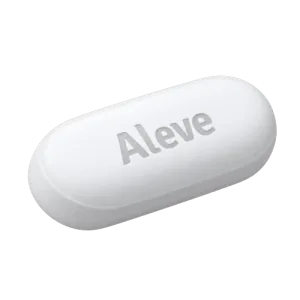
Aleve
Voltaren Current
Sources
- European Medicines Agency (2013). PRAC recommends the same cardiovascular precautions for diclofenac as for selective COX-2 inhibitors.
- World Health Organization (2020). WHO guidelines for the pharmacological and radiotherapeutic management of cancer pain in adults and adolescents.
- European Medicines Agency (2014). Diclofenac-containing medicines — referral under Article 31 of Directive 2001/83/EC.