The first few days were uncomfortable after restaurant meals. I changed to grilled food and smaller portions, and the urgency settled. I still had to plan meals carefully when leaving home.
Dibba Al-Fujairah Six weeks 21 Oct 2026
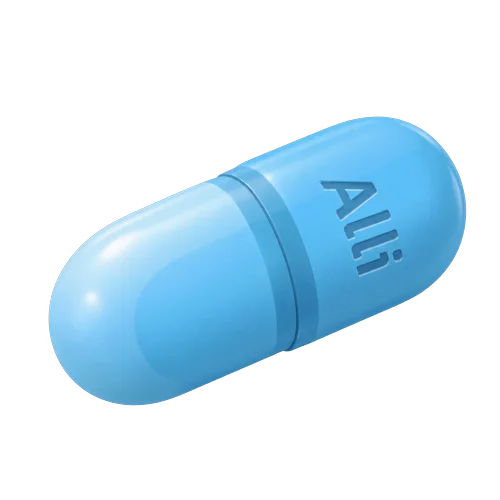
Alli
Alli is an oral capsule used with meals as part of an adult weight-management plan. It is intended for people whose weight and body-mass index meet clinical criteria for treatment, helping reduce the…
Alli is an oral capsule used with meals as part of an adult weight-management plan. It is intended for people whose weight and body-mass index meet clinical criteria for treatment, helping reduce the amount of dietary fat absorbed from food.
Overview
Alli is an oral weight-management product designed for use alongside a reduced-calorie, lower-fat eating pattern and regular physical activity. Alli is associated with the active substance orlistat, a gastrointestinal lipase inhibitor.
What it is used for
Alli is intended for adults whose BMI reaches the threshold used for non-prescription weight-management treatment. The commonly used threshold is a BMI of 28 or higher when additional weight-related risk factors are present.
A BMI calculation is simple, but it has limits. It does not distinguish muscle from fat, and it does not show where fat is stored. Waist circumference, blood pressure, blood glucose, lipid levels, sleep quality, and mobility provide useful additional information.
Weight-management treatment deserves extra care in people with:
- Type 2 diabetes
- High blood pressure
- High cholesterol
- Gallbladder disease
- Chronic kidney disease
- A history of eating disorders
- Previous bariatric surgery
- Long-term digestive symptoms
Children and adolescents require a separate clinical assessment. Alli is not intended as a casual slimming product for people who do not meet the relevant eligibility criteria.
Formulation
Alli contains the active substance orlistat. It is an oral gastrointestinal lipase inhibitor used with a reduced-calorie, lower-fat eating pattern and regular physical activity to help reduce the amount of dietary fat absorbed from food.
Mechanism of action
Dietary fat must be broken down before it can cross the intestinal wall. Gastric and pancreatic lipases perform much of this work. Orlistat acts locally within the gut by reducing the activity of these enzymes, so some dietary triglycerides remain undigested and leave the body in the stool [1].
The action is non-stimulant. It does not work by raising heart rate or producing a central nervous system effect.
How to use it
The quantity and frequency of Alli are agreed with a doctor or pharmacist. The capsules are taken by mouth with a main meal that contains dietary fat. A meal without fat does not provide the same reason for taking a dose.
Practical meal rules include:
- Keep meals reduced in calories.
- Spread dietary fat across breakfast, lunch, and dinner.
- Avoid saving most of the day’s fat for one evening meal.
- Skip the dose when a main meal is missed or contains no fat.
- Swallow the capsule with water.
- Do not take extra capsules to compensate for a missed dose.
- Continue the agreed treatment plan rather than increasing use independently.
The amount of fat matters more than the total number of meals. A lower-fat meal usually causes fewer bowel effects than a high-fat meal, even when both meals contain a similar number of calories.
A common mistake is to treat the capsule as permission to eat fried food, pastries, or large takeaway meals. The medicine can reduce absorption of part of the fat, but it does not remove the calories from the remaining food and does not prevent digestive discomfort.
Medicines taken for diabetes, thyroid disease, epilepsy, HIV infection, blood clot prevention, or organ transplantation may require special timing or monitoring. Orlistat can also affect the absorption of some medicines and vitamins, so the complete medication list should be reviewed before treatment begins.
Comparison
Different weight-management treatments act through different physiological pathways. A gastrointestinal fat-absorption inhibitor works in the bowel, while appetite-directed medicines act on hunger, satiety, or glucose-regulating pathways.
| Approach | Main action | Main limitation |
|---|---|---|
| Gastrointestinal fat-absorption inhibitor | Reduces breakdown and absorption of part of dietary fat | Oily stools and urgency may occur |
| Appetite-directed medicine | Reduces hunger or increases fullness through central or hormonal pathways | May have cardiovascular, gastrointestinal, or psychiatric restrictions |
| Nutrition and activity programme | Reduces calorie intake and improves energy expenditure | Requires sustained behavioural consistency |
Prescription-strength orlistat uses the same pharmacological principle as lower-strength non-prescription formulations, with differences in dose and regulatory status. The appropriate option depends on BMI, medical conditions, current medicines, previous treatment response, and the person’s ability to follow a lower-fat diet.
The European Medicines Agency has described orlistat’s gastrointestinal mechanism and its relationship with dietary fat in regulatory product information [4]. Treatment choice should be based on clinical suitability rather than the product name alone.
Common mistakes
Several practical mistakes make treatment less tolerable or less useful:
- Taking a capsule with every meal, even when the meal contains no fat.
- Eating very little during the day, then consuming a large high-fat dinner.
- Assuming bowel effects mean that more fat is being removed.
- Taking a double dose after forgetting one.
- Ignoring persistent diarrhoea or signs of dehydration.
- Taking a multivitamin at the same time as the capsule.
- Forgetting to mention Alli before starting another medicine.
- Focusing only on weight and ignoring waist size, blood pressure, or glucose.
- Stopping all physical activity because the medicine is being used.
- Continuing treatment despite symptoms of liver or kidney disease.
One detail patients often miss is the timing of supplements. A multivitamin may need to be taken separately from Alli because fat-soluble vitamin absorption can be reduced. The exact schedule should match the individual treatment plan.
Who should not use it
Extra caution is needed with:
- Breastfeeding
- Kidney disease or a history of kidney stones
- Liver disease
- Gallbladder problems
- Pancreatic disease
- Eating disorders
- Treatment for diabetes
- Treatment with thyroid hormones
- Anticoagulant therapy
- Antiepileptic medicines
- Medicines used after organ transplantation
- HIV treatment
Orlistat may reduce absorption of ciclosporin, levothyroxine, certain anticonvulsants, and some antiretroviral medicines. Warfarin treatment may require closer monitoring because changes in vitamin absorption and weight can affect anticoagulation control.
Levothyroxine and Alli may need to be separated by several hours. The exact timing depends on the prescribed regimen and thyroid blood-test results. People using diabetes medicines may need glucose monitoring as weight and food intake change.
Unwanted effects
The most characteristic adverse effects are gastrointestinal. They result from unabsorbed fat reaching the lower bowel. Oily spotting, flatulence, fatty stools, sudden urgency, and loose stools are more likely after meals with a high fat content [2].
The symptoms can be inconvenient at work, during travel, or during long meetings. Some people stop treatment because they did not receive enough dietary guidance before starting. A lower-fat meal pattern often makes the difference between tolerable and disruptive symptoms.
Other possible effects include abdominal discomfort, changes in bowel habits, headache, and mild nausea. Persistent or severe symptoms require medical review, especially when accompanied by dehydration, marked abdominal pain, or weakness.
Seek prompt medical attention for symptoms that could indicate a serious problem, including:
- Severe or persistent abdominal pain
- Yellowing of the skin or eyes
- Dark urine with pale stools
- Significant reduction in urine output
- Swelling of the face, lips, tongue, or throat
- Difficulty breathing
- A widespread blistering or peeling rash
- Blood in the stool
Rare liver injury has been reported with orlistat-containing treatment. Kidney problems may also occur in susceptible people, especially when dehydration or pre-existing kidney disease is present. The FDA prescribing information describes these warnings and the need for appropriate clinical assessment [3].
Alli may also affect vitamin absorption. This is relevant during prolonged use, restrictive diets, pregnancy, breastfeeding, or treatment with medicines whose absorption depends on fat.

What doctors say
In clinical practice, doctors usually assess the person’s eating pattern before judging whether Alli is suitable. A high-fat diet predicts more bowel-related adverse effects, while uneven meal timing can make the treatment difficult to manage.
Physicians also look beyond the scale. Improvements in blood pressure, glucose control, walking ability, sleep, and waist circumference can provide useful evidence of progress. A small early change in weight may still be clinically meaningful when it is maintained.
Treatment response should be reviewed after a planned period. If weight does not improve despite consistent use, the clinician may reassess the diagnosis, eating pattern, other medicines, sleep, thyroid function, or the choice of treatment.
The World Health Organization describes obesity as a chronic, relapsing disease influenced by biological, environmental, and social factors [5]. That framework supports a long-term approach rather than repeated short courses of restrictive dieting.
What customers often ask
What happens when Alli is stopped, and does it need to be tapered?
Alli does not normally require a gradual dose reduction because it acts locally in the digestive tract rather than creating physical dependence. After stopping, the effect on dietary fat absorption ends, so the body returns to its usual digestion of fat. The FDA's 2023 information for orlistat-containing treatment describes treatment as part of a broader weight-management programme, not as a permanent substitute for dietary changes. Weight can return if calorie intake rises after discontinuation. A clinician can review weight change and ongoing symptoms before treatment is resumed.
What is the best time of day to take Alli?
The relevant timing is linked to a main meal containing fat rather than to a fixed clock time. It can therefore be taken with breakfast, lunch, or dinner when those meals contain dietary fat. The FDA's 2023 label describes administration with meals as part of the product's dosing instructions. A meal without fat does not require the same dose, and taking extra capsules later does not replace a missed dose.
How long does one dose of Alli keep working?
The effect relates to the digestion of fat in the meal taken around the dose, rather than providing appetite control for the entire day. Its action depends on the presence of dietary fat and the movement of food through the digestive tract. The 2024 PubChem compound summary describes orlistat as a locally acting gastrointestinal lipase inhibitor. Taking additional capsules does not extend the effect safely and increases the chance of bowel-related adverse effects.
Can Alli affect driving, concentration, or work with machinery?
Alli is not a stimulant and is not expected to impair alertness directly. Concentration may still be affected indirectly by urgent bowel movements, abdominal cramping, diarrhoea, or dehydration. The FDA's 2023 safety information focuses on gastrointestinal effects and specific medical warnings rather than routine sedation. During the first days of treatment, plan access to a toilet before driving long distances or operating machinery.
Do you offer anonymous delivery?
Your order will be securely packed and shipped within 24 hours. This is exactly what your package will look like (images of an actual item sent). It has the size and look of a regular private letter (24x11x0.7 cm) and its contents cannot be seen.
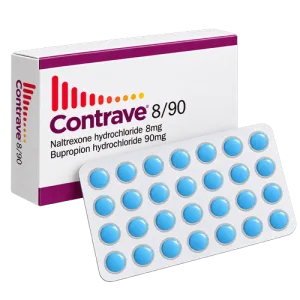
Comparison
Alli Current
Contrave
Sources
- National Library of Medicine, PubChem (2024). Orlistat: Compound Summary.
- MedlinePlus, U.S. National Library of Medicine (2024). Orlistat.
- U.S. Food and Drug Administration (2023). Xenical (orlistat) Prescribing Information.
- European Medicines Agency (2023). Orlistat-containing medicinal products: product information.
- World Health Organization (2022). Obesity and overweight.