Skip to content
Fast & Discrete Delivery Save up to 80%
In stock Arjuna
Angina

Arjuna

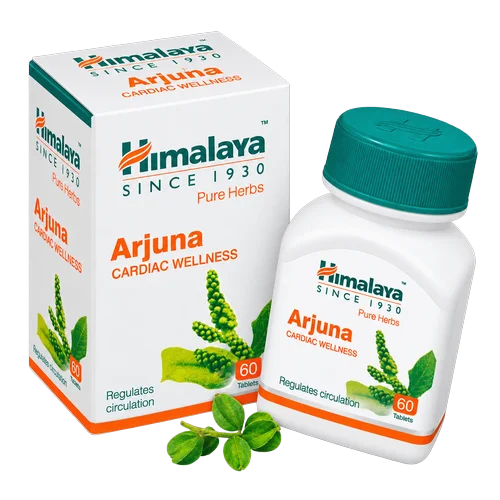
Arjuna supports cardiovascular wellness through the traditional botanical Terminalia arjuna, which is associated with circulation and heart function. The tablets are intended for adults seeking…

Guaranteed quality Original product
Delivery: from 4 days Discreet shipping
24/7 Support Always available
Active ingredient: Terminalia arjuna
Select pack Package Per unit Price
AED 2.96 AED 533.32
Best value AED 1.69 AED 1,066.64 AED 608.94 Save 43%

Free delivery on orders from AED 796.00, free express delivery from AED 1,194.00

Secure payment methods:
VISA AMEX JCB DISCOVER

Arjuna supports cardiovascular wellness through the traditional botanical Terminalia arjuna, which is associated with circulation and heart function. The tablets are intended for adults seeking herbal support for cardiac wellness and healthy circulation. Its effects are linked to plant compounds that may influence vascular tone and oxidative balance.

Overview

Arjuna botanical identity and traditional nomenclature

Arjuna refers to the bark of Terminalia arjuna, a tree used in Ayurvedic medicine. Traditional preparations made from this bark are known as arjun ki chaal, while the botanical name identifies the plant source more precisely. Arjuna tablets provide a convenient oral form for people who prefer a measured tablet rather than a loose herbal preparation.

What it is used for

Cardiovascular and metabolic support

Arjuna has traditionally been used to support the heart and circulation. Research has examined its possible effects on cardiac muscle function, vascular tone, lipid balance, and oxidative stress. These findings support interest in Arjuna as a complementary herbal product, not as a replacement for prescribed treatment of hypertension, angina, heart failure, diabetes, or high cholesterol.

The bark contains plant compounds with antioxidant and anti-inflammatory activity in laboratory studies. Some clinical research has explored exercise tolerance and symptoms in people with stable cardiovascular disease, though the evidence remains smaller than the evidence base for standard cardiovascular medicines [1].

Arjuna may support several areas:

  • Cardiac wellness and general heart support
  • Healthy blood circulation
  • Maintenance of normal vascular function
  • Clinical evidence for cardiovascular benefit remains limited
  • Support for healthy lipid metabolism
  • Antioxidant protection of cells
  • Traditional Ayurvedic cardiovascular care
  • Interactions and side effects may require clinical review

The phrase “supports cholesterol control” should be understood carefully. Arjuna should not be used to replace a statin, blood-pressure medicine, antiplatelet treatment, or diabetes therapy. A person receiving treatment for cardiovascular disease needs continuity with prescribed care, since stopping established medicine can create avoidable risk.

Arjuna is also discussed in relation to metabolic wellness. Available evidence does not establish it as a treatment for diabetes, and it should not be used to adjust insulin or glucose-lowering medicines without clinical supervision.

WHO guidance on herbal medicines stresses the importance of pharmacovigilance, product quality, and awareness of interactions when traditional products are used alongside conventional treatment [2].

Formulation

The plant belongs to the Combretaceae family. Its bark has been studied for flavonoids, tannins, triterpenoids, and other naturally occurring compounds. The exact activity of a finished tablet depends on its preparation and standardisation.

Botanical term Meaning
Arjuna Common name used for the traditional heart-supporting herb
Terminalia arjuna Scientific botanical name
Arjun ki chaal Traditional term for Arjuna bark

Partha and Svetavaha are traditional names associated with Arjuna in Ayurvedic literature. These names describe the same botanical tradition rather than separate ingredients.

Mechanism of action

Laboratory studies suggest that Terminalia arjuna contains polyphenols and tannins capable of antioxidant activity. Experimental findings also suggest possible effects on vascular relaxation and cardiac muscle performance. Human studies have been limited by small sample sizes, varying extracts, and differences in preparation.

How to use it

Arjuna tablet formulation and oral administration

Arjuna is provided as oral tablets. This form avoids the preparation time required for a bark decoction and gives the user a consistent physical unit for each intake. The amount per intake is set individually rather than being one fixed number for every person.

The product focus is the tablet preparation. Loose bark, powders, teas, and fermented herbal preparations belong to different administration methods and should not be treated as interchangeable with Arjuna tablets.

Arjuna bark is traditionally prepared by boiling plant material in water. Tablet production involves a separate process, and the strength, extract ratio, and excipients determine how a tablet relates to raw bark. A tablet should therefore be used as its own formulation rather than converted into an assumed quantity of bark powder.

Practical administration

  • Take the individually selected amount by mouth.
  • Use water to swallow the tablets.
  • Keep the daily timing consistent.
  • Do not increase the amount because a perceived benefit is slow.
  • Do not use Arjuna to replace prescribed cardiac treatment.
  • If a dose is missed, take the next planned intake rather than doubling.
A missed intake does not justify taking two doses together. Doubling can increase the chance of stomach discomfort, dizziness, or an excessive cardiovascular effect.

Some people tolerate herbal tablets better with food, especially if they are prone to nausea. If the product causes stomach discomfort, taking it alongside a meal may help, provided the individual treatment plan allows that timing.

Storage should protect the tablets from heat, moisture, and direct sunlight. A dry cupboard away from the bathroom is more suitable than a humid shelf. Keep the container closed between uses and keep tablets away from children.

Comparison

Arjuna is an oral botanical tablet used for complementary cardiovascular wellness, whereas prescription treatments target diagnosed conditions with established drug mechanisms and individualized medical monitoring. Arjuna should not replace prescribed care.

Common mistakes

Common patient mistakes

Several habits can reduce the value of Arjuna or increase risk:

  • Treating a tablet as a substitute for prescribed heart medicine.
  • Increasing the amount because benefits are not immediately noticeable.
  • Combining tablets with bark powder, tea, or another Arjuna preparation.
  • Forgetting to mention herbal use during a medication review.
  • Taking the product despite new chest pain, fainting, or severe breathlessness.
  • Storing tablets in a hot, humid bathroom.
  • Doubling the next intake after a missed dose.
  • Starting the product immediately before surgery.
  • Assuming “pure herbs” means that interactions are impossible.

One easy mistake is taking Arjuna at the same time as several blood-pressure medicines and then attributing dizziness to dehydration or tiredness. Recording the timing of tablets and symptoms can help identify whether the effects coincide.

Another is judging cardiovascular benefit by pulse sensation alone. Heart health requires objective measures such as blood pressure readings, lipid testing, and appropriate clinical assessment.

Who should not use it

Contraindications and important precautions

  • You have a known allergy to Arjuna or another ingredient in the tablets.
  • You are pregnant or breastfeeding.
  • You have severe kidney or liver disease.
  • You have unstable angina, a recent heart attack, severe heart failure, or a significant rhythm disorder.
  • You use warfarin, apixaban, rivaroxaban, aspirin, clopidogrel, or another medicine that affects clotting.
  • You take medicines for blood pressure, heart rhythm, or fluid retention.
  • You are preparing for surgery or an invasive dental procedure.
  • You are being treated for diabetes and your glucose-lowering regimen is closely adjusted.

The interaction risk is practical rather than theoretical. Arjuna may add to blood-pressure lowering, alter fluid balance, or affect bleeding risk, although the strength of evidence differs between possible interactions. MOHAP patient-safety principles support recording all herbal products when medicines are reviewed.

When this is not for you

Arjuna is not suitable for everyone. Children should not use adult herbal tablets unless a qualified clinician has selected the product and amount. Older adults may also need more careful assessment because they often take several cardiovascular medicines at the same time.

Unwanted effects

Side effects and tolerability

Arjuna is a herbal product, so tolerability can vary between individuals. Possible effects include nausea, stomach discomfort, loose stools, constipation, headache, dizziness, or an allergic reaction. Evidence does not establish reliable frequency figures for every Arjuna tablet formulation.

Dizziness deserves attention. It may reflect a sensitivity to the product, low blood pressure, dehydration, or an additive effect with blood-pressure treatment. Sit down if dizziness occurs and avoid driving until symptoms have settled. Stop taking the tablets and obtain urgent medical help for facial swelling, difficulty breathing, fainting, chest pain, a severe rash, or a rapidly irregular heartbeat. These symptoms require assessment rather than self-treatment. People with heart disease may interpret a temporary change in symptoms as proof that the product is working. That can be misleading. Chest pressure, breathlessness, fainting, or swelling of the legs may indicate a cardiovascular problem requiring prompt medical care. Arjuna can also complicate medication management if it adds to the effects of antihypertensive, diuretic, antiarrhythmic, antiplatelet, or anticoagulant treatment. Pharmacopoeial guidance treats herbal medicines as pharmacologically active products that require the same attention to adverse reactions as other health products [3].

What doctors say

Doctor perspectives on Arjuna

Doctors generally place Arjuna in the complementary-care category. It may suit a person seeking herbal cardiovascular support, but it does not replace assessment of blood pressure, cholesterol, glucose, kidney function, or cardiac symptoms.

A physician will usually want to know whether the person has diagnosed heart disease and which medicines are already being taken. The same tablet may be reasonable for one adult and unsuitable for another because of differences in blood pressure, kidney function, anticoagulant use, or heart rhythm.

The European Medicines Agency’s approach to herbal medicinal products emphasises quality, safety assessment, and appropriate evidence for therapeutic claims rather than assuming that traditional use alone proves clinical efficacy [4].

What customers often ask

What should be discussed with a doctor before starting Arjuna?

Tell the doctor about heart disease, low blood pressure, kidney or liver problems, pregnancy, planned surgery, and every medicine or supplement being used. This is essential when treatment includes anticoagulants, antiplatelet medicines, blood-pressure tablets, diuretics, or antiarrhythmics. WHO herbal-medicine guidance published in 2004 supports documenting traditional products during medicine reviews. MOHAP safety practice also favours a complete medication history when cardiovascular products are combined.

How should Arjuna be stored at home and while travelling?

Keep the tablets in a dry place away from direct sunlight, heat, and bathroom humidity. During travel, use a closed container and avoid leaving the tablets in a parked vehicle, where high temperatures can affect product quality. WHO storage guidance from 2004 identifies moisture, heat, and light as common factors that can damage medicinal products. A stable room-temperature environment is preferable during ordinary travel.

Can Arjuna cause dizziness?

Dizziness can occur in some people and may be more likely when Arjuna is combined with blood-pressure or diuretic treatment. Sit down, avoid driving, and assess whether symptoms continue or recur. An EMA herbal-medicine safety framework published in 2014 treats suspected adverse reactions as a reason for reassessing continued use. Severe dizziness, fainting, chest discomfort, or breathlessness requires prompt medical attention.

What should happen after a missed dose?

Take the next planned intake and do not double the amount to compensate. Extra tablets may increase the chance of stomach upset, dizziness, or an unwanted additive cardiovascular effect. WHO medication-safety guidance published in 2004 supports avoiding compensatory double dosing when the medicine’s individual schedule has been missed. The same approach applies when an intake is forgotten during travel or a busy day.

What is the best time of day to take Arjuna?

The best time is one that can be followed consistently and fits the individually selected amount. Morning or after a meal may be practical for people who experience stomach sensitivity, while another schedule may suit a person’s existing medicines. MOHAP medication-review principles in 2025 support aligning supplement timing with the full treatment schedule. Keep the timing stable rather than changing it from day to day.

Do you offer anonymous delivery?

Your order will be securely packed and shipped within 24 hours. This is exactly what your package will look like (images of an actual item sent). It has the size and look of a regular private letter (24x11x0.7 cm) and its contents cannot be seen.

Comparison

Angina: all medicines side by side

Traditional preparations and modern extracts

Arjuna chaal refers to traditional Arjuna bark. Raw bark and modern tablets differ in preparation, concentration, ease of use, and consistency. A decoction requires boiling and straining, while tablets are easier to include in a daily routine.

Traditional terminology can be useful, but it does not establish the dose or potency of a finished tablet. The botanical source may be the same while the extraction method changes the amount of active plant constituents.

Modern herbal products may use powdered bark, extracts, or combinations of botanical materials. These preparations should not be combined casually, since taking more than one Arjuna product can make the total intake difficult to judge.

Avoid combining tablets with a separate Arjuna powder or tea unless the total daily amount has been deliberately assessed. Stacking preparations can produce an unintended increase in exposure.

Customer Feedback on Arjuna

Based on 5 reviews

Bilal, 50 Verified
Rating: 3 out of 5

I chose Arjuna for general heart support while keeping my prescribed blood-pressure treatment unchanged. I did not notice a dramatic sensation, but the tablets fitted easily into my morning routine. I had mild stomach heaviness during the first few days, which improved when I took them after breakfast.

Bur Dubai Several weeks 30 Sep 2026
Sultan D., 45 Verified
Rating: 3.5 out of 5

The main benefit for me was convenience compared with preparing a bark drink. I felt comfortable taking the tablets after food. I stopped for a short time because of light dizziness and discussed it during my medicine review before deciding whether to continue.

Kalba Several weeks 8 Oct 2026
Imran, 27 Verified
Rating: 2 out of 5

I was expecting a quick change in energy and did not notice one. After several weeks, I still could not judge a clear effect, although I had no stomach problems. The experience made me more realistic about herbal supplements.

Jebel Ali Several weeks 12 Oct 2026
Khalid, 47 Verified
Rating: 3 out of 5

I had been taking medication for blood pressure, so I kept the Arjuna amount conservative and did not change my prescription. The routine was simple, but I was more cautious than I expected because I occasionally felt light-headed.

Dubai Several weeks 20 Oct 2026
Hamdan, 28 Verified
Rating: 5 out of 5

The tablets were easy to swallow and caused no obvious side effects for me. I missed several intakes during a busy week and did not double them. I preferred that approach because taking extra tablets did not seem sensible.

Al Barsha Several weeks 29 Oct 2026

Sources

  1. Dwivedi S. (2007). Terminalia arjuna in cardiovascular diseases: making the transition from traditional to modern medicine—an overview.
  2. World Health Organization (2004). WHO guidelines on safety monitoring of herbal medicines in pharmacovigilance systems.
  3. World Health Organization (2004). WHO guidelines for assessing quality of herbal medicines with reference to contaminants and residues.
  4. European Medicines Agency (2014). Guideline on the assessment of clinical safety and efficacy in the preparation of European Union herbal monographs for well-established and traditional herbal medicinal products.
Get our free app Shop faster and track your orders 3.4 · 316 reviews Install