Skip to content
Fast & Discrete Delivery Save up to 80%
In stock Atarax
Allergies

Atarax

Hydroxyzine reduces histamine activity and can calm overactive central nervous system signals. Atarax tablets contain this first-generation antihistamine. It is prescribed for allergic skin symptoms…

Guaranteed quality Original product
Delivery: from 4 days Discreet shipping
24/7 Support Always available
Active ingredient: Hydroxyzine
Select dosage:
Select pack Package Per unit Price
AED 4.64 AED 417.90
AED 4.21 AED 557.20 AED 505.46 Save 9%
AED 3.98 AED 835.80 AED 716.40 Save 14%
Free Regular Delivery AED 3.64 AED 1,253.70 AED 983.06 Save 22%
Best value Free Express Delivery AED 3.56 AED 1,671.60 AED 1,281.56 Save 23%
AED 4.29 AED 386.06
AED 3.98 AED 514.73 AED 477.60 Save 7%
AED 3.65 AED 772.12 AED 656.70 Save 15%
Free Regular Delivery AED 3.42 AED 1,158.18 AED 923.36 Save 20%
Best value Free Regular Delivery AED 3.25 AED 1,544.24 AED 1,170.12 Save 24%

Free delivery on orders from AED 796.00, free express delivery from AED 1,194.00

Secure payment methods:
VISA AMEX JCB DISCOVER

Hydroxyzine reduces histamine activity and can calm overactive central nervous system signals. Atarax tablets contain this first-generation antihistamine. It is prescribed for allergic skin symptoms such as itching and hives, and for short-term anxiety-related tension.

Overview

Hydroxyzine reduces histamine activity and can calm overactive central nervous system signals; Atarax tablets contain this first-generation antihistamine. It is prescribed for allergic skin symptoms such as itching and hives, and for short-term anxiety-related tension. Sedation is a useful effect in some situations but a limitation when alertness is required.

What it is used for

Atarax is used for several clinically distinct purposes:

  • Allergic skin reactions: Hydroxyzine can reduce itching associated with hives, contact dermatitis, and other histamine-driven skin reactions.
  • Short-term anxiety symptoms: Its central sedative action may reduce tension, restlessness, and physical agitation.
  • Pre-procedure sedation: Hydroxyzine may be used in selected clinical settings when a sedative effect is required.
  • Itch-related sleep disruption: Evening dosing may help when severe itching prevents sleep, provided the prescriber has selected that schedule.
Clinical use How relief occurs Usual timing pattern
Hives or allergic itching H1-receptor blockade reduces histamine signalling in the skin Often begins after oral absorption
Contact dermatitis symptoms Reduces itching and may make rest easier Depends on the trigger and skin inflammation
Anxiety-related tension Central nervous system sedation decreases arousal A noticeable calming effect may occur within hours

The degree of benefit depends on the cause of symptoms. Hydroxyzine can reduce itching from histamine release, but it cannot treat a bacterial skin infection, severe eczema inflammation, or an allergic reaction involving breathing difficulty.

Formulation

Atarax contains hydroxyzine, a first-generation antihistamine with additional sedative and anxiolytic properties. Hydroxyzine blocks H1 histamine receptors, reducing the nerve signals that contribute to itching, redness, and wheals. It also enters the central nervous system, which explains its calming and drowsiness-producing effects.

The active substance may exist as hydroxyzine hydrochloride or hydroxyzine pamoate in different medicinal formulations. These are salt forms of hydroxyzine; they do not represent different pharmacological families. Atarax belongs primarily to the antihistamines and first-generation antihistamines, while its calming use places hydroxyzine among miscellaneous anxiolytics, sedatives and hypnotics. The EMA identifies hydroxyzine as a medicine requiring attention to cardiac rhythm risk and dose exposure [1]. The FDA, MHRA, Health Canada, and NICE also publish relevant medicines-safety or clinical guidance.

Hydroxyzine differs from newer antihistamines because it crosses the blood–brain barrier more readily. That property can help reduce intense itching or anxiety-related agitation, yet it also makes drowsiness more likely.

The first dose can feel more sedating than later doses. Plan the initial use for a period when driving, operating machinery, or making safety-critical decisions is unnecessary.

Mechanism of action

Hydroxyzine is a first-generation H1 histamine-receptor antagonist. By blocking H1 receptors, it reduces histamine-driven nerve signalling responsible for itching, redness, and wheals. Because it readily crosses the blood–brain barrier, it also produces central nervous system sedation and anxiolytic effects. Its anticholinergic activity contributes to effects such as dry mouth and blurred vision.

How to use it

Atarax tablets are taken by mouth. Responses vary. The prescribed dose differs between strengths and between users, so there is no single amount that suits everyone. The appropriate regimen depends on the indication, age, kidney and liver function, other medicines, and sensitivity to sedation.

Use the prescribed schedule exactly:

  • Swallow the tablet with water.
  • Take it at the time selected for the intended effect.
  • Avoid driving until the individual response is clear.
  • Do not take extra tablets because anxiety or itching has not improved quickly.
  • If a dose is missed, take it when remembered unless the next scheduled dose is near; never double the next dose.
  • If too many tablets are taken, seek urgent medical assessment, especially when marked drowsiness, confusion, fainting, palpitations, tremors, or seizures develop.

Atarax may be used for a limited course or intermittently, depending on the clinical reason. Persistent anxiety, recurring hives, or ongoing itching requires reassessment rather than indefinite self-directed use.

Do not combine a missed dose with the next dose. Hydroxyzine’s sedative effect can accumulate when doses are taken too close together.

Tablet manipulation depends on the specific formulation. Do not crush or chew a tablet unless a prescriber or medicine professional has confirmed that the product can be altered. A scored tablet may be divisible, but a score line alone does not prove that equal doses are produced.

Comparison

Atarax is distinct from both non-sedating antihistamines and benzodiazepine anxiolytics. The comparison concerns pharmacology, not a recommendation to replace one medicine with another.

Medicine or category Main pharmacology and typical role Sedation and dependence considerations
Atarax — hydroxyzine First-generation H1 antihistamine; itching, hives, selected short-term anxiety or sedative use Moderate to high sedation; cardiac and anticholinergic precautions

Hydroxyzine and diphenhydramine can both cause sleepiness and dry mouth because they are first-generation antihistamines. Cetirizine is generally chosen when daytime alertness is a priority, although some people still become drowsy. Alprazolam works through a different pathway and carries more prominent dependence and withdrawal concerns.

The choice depends on the problem being treated. A medicine selected for allergic itching may not be the best option for ongoing anxiety, and a medicine used for anxiety should not automatically be used for a rash.

Common mistakes

Several habits reduce the usefulness of Atarax or increase avoidable risk:

  • Taking an extra tablet after only a short wait because the calming effect feels insufficient.
  • Drinking alcohol on the same evening.
  • Driving after the first dose without knowing the personal response.
  • Combining it with another sedating antihistamine, opioid, sleeping tablet, or benzodiazepine.
  • Continuing treatment for weeks without reviewing ongoing anxiety, itching, or sleep problems.
  • Ignoring palpitations, fainting, or severe confusion.
  • Crushing or chewing a tablet without confirming that the formulation permits it.
  • Assuming that a lower level of dependence risk means there are no safety limits.
  • Using hydroxyzine for throat swelling or breathing difficulty instead of seeking emergency care.

A common morning-after mistake is attributing sluggishness to poor sleep rather than to the previous evening’s tablet. Until the response is known, avoid scheduling early driving or physically hazardous work after nighttime use.

Who should not use it

  • A known allergy to hydroxyzine, cetirizine, aminophylline, ethylenediamine, or another component of the formulation.
  • A history of prolonged QT interval or torsades de pointes.
  • A significant heart-rhythm disorder or unexplained fainting under investigation.
  • Use of medicines known to prolong the QT interval, unless a prescriber has specifically assessed the combination.
  • Severe kidney or liver impairment without an adjusted treatment plan.
  • Pregnancy, unless the treating clinician has judged that use is appropriate.
  • Breastfeeding when hydroxyzine exposure could sedate the infant.
  • Previous serious reaction to a sedating antihistamine.

When this is not for you

Alcohol can intensify hydroxyzine-related drowsiness, impaired coordination, and slowed reactions. The same concern applies to opioids, sleeping tablets, sedative antihistamines, benzodiazepines, some antipsychotics, and other central nervous system depressants. Avoid combining these substances without specific medical direction.

The FDA and EMA safety information also supports caution in older adults, who may be more vulnerable to confusion, constipation, urinary retention, falls, and cardiac effects. Hydroxyzine is not a controlled substance in the same way as alprazolam, yet low dependence potential does not make the medicine suitable for unsupervised prolonged use.

Tell the prescriber about fainting, known arrhythmia, family history of sudden cardiac death, low potassium, or low magnesium before using hydroxyzine. These details can change the risk assessment.

Do not use Atarax to manage breathing difficulty, swelling of the throat, or collapse during an acute allergic reaction. Those symptoms require emergency treatment.

Unwanted effects

Drowsiness is the side effect most closely associated with hydroxyzine. Dizziness, reduced concentration, dry mouth, blurred vision, headache, and impaired coordination can also occur. These effects reflect central sedation and anticholinergic activity.

More common or expected effects Effects requiring prompt medical attention
Drowsiness, dizziness, dry mouth, headache, blurred vision, reduced concentration Fainting, fast or irregular heartbeat, severe confusion, breathing difficulty, facial swelling, seizures
Constipation, nausea, weakness, reduced coordination Severe allergic reaction, marked agitation, loss of consciousness, or persistent palpitations
Tremor or next-day sluggishness in sensitive users Symptoms suggesting a serious heart-rhythm disturbance

The EMA safety review links hydroxyzine with a small risk of QT-interval prolongation and torsades de pointes, especially in people with risk factors or interacting medicines. The risk rises when hydroxyzine is combined with other sedatives, medicines that affect cardiac rhythm, or excessive doses [2].

Dry mouth can make swallowing uncomfortable. Hydration may help. Frequent sips of water or sugar-free chewing gum may help, unless fluid restriction applies. Blurred vision and poor coordination are reasons to avoid driving until symptoms have resolved.

One practical detail is easy to miss: sedation can remain into the following morning, even when the tablet was taken the previous evening. Older adults may experience a fall from dizziness before they recognise the medicine as the cause.

Another detail concerns urinary symptoms. Hydroxyzine’s anticholinergic action may worsen difficulty passing urine in people with urinary retention or prostate-related obstruction.

What doctors say

In clinical practice, physicians often treat hydroxyzine as a targeted, time-limited option. It can be useful when anxiety is accompanied by physical agitation or when itching is preventing sleep. The main trade-off is predictable: stronger central effects can bring faster calming but also impaired alertness.

A doctor usually reviews cardiac history, other sedatives, alcohol intake, kidney function, liver function, pregnancy status, and the reason for treatment before selecting a regimen. For recurring anxiety, the clinician may reassess the diagnosis and consider a treatment plan designed for longer-term control. For persistent hives, repeated antihistamine use may signal that the underlying skin condition needs a different approach.

Patients sometimes expect hydroxyzine to feel like a conventional sleep medicine. Its sedation can help with sleep onset, but morning grogginess, dry mouth, and reduced balance can outweigh that benefit.

What customers often ask

Does Atarax cause drowsiness?

Drowsiness is a recognised effect of hydroxyzine and can occur after a single tablet. FDA prescribing information describes sedation, impaired alertness, and reduced coordination among clinically relevant effects in its hydroxyzine product information from 2023. The response may be stronger with alcohol, opioids, sleeping medicines, or other sedating antihistamines. Do not drive or operate machinery until you know how Atarax affects you. A pharmacist can help review other sedating medicines.

Can Atarax be taken with food or on an empty stomach?

Hydroxyzine tablets may generally be taken with food or without food, although taking them consistently can make the personal response easier to judge. The EMA product information reviewed hydroxyzine administration and safety considerations in 2015. A meal may be useful if the tablet causes stomach discomfort, while food does not remove the risk of drowsiness. Alcohol remains a concern regardless of whether Atarax is taken with a meal.

Which diet, exercise, or habits help or hinder Atarax’s effect?

No specific diet makes hydroxyzine treat anxiety or itching more reliably. The FDA’s hydroxyzine labelling from 2023 supports avoiding alcohol and other central nervous system depressants because they can increase impairment. Regular sleep, adequate hydration, and gentle exercise may support recovery from stress, but they do not cancel sedation or replace treatment for an underlying allergic condition. Avoid driving, hazardous work, and activities requiring rapid reactions after taking the tablet until its effect is known.

How long does one Atarax dose keep working?

The sedative effect can extend through much of an evening and may cause next-day sluggishness in some people. The EMA’s hydroxyzine safety review from 2015 supports individualising exposure because age, organ function, dose, and interacting medicines influence duration. A person may feel sleepy after the calming effect has begun to fade. Repeating a dose too soon can increase drowsiness and other adverse effects.

Which condition rules out Atarax?

A known prolonged QT interval or a history of torsades de pointes can rule out hydroxyzine. The EMA referral assessment from 2015 identified cardiac rhythm risk as a key contraindication and safety issue. The medicine also requires careful review in severe kidney or liver impairment, pregnancy, breastfeeding, and when QT-prolonging medicines are used. Unexplained fainting or a history of serious arrhythmia should be reported before treatment begins.

Can an Atarax tablet be split, crushed, or chewed?

Do not crush or chew the tablet unless the specific formulation has been confirmed as suitable for alteration. FDA hydroxyzine product information from 2023 supports oral tablet use but does not make every tablet automatically appropriate for crushing or unequal splitting. A score line may indicate that splitting is possible, yet it does not guarantee equal halves. If a different dose is required, the safer approach is a prescriber-selected strength or formulation.

Do you offer anonymous delivery?

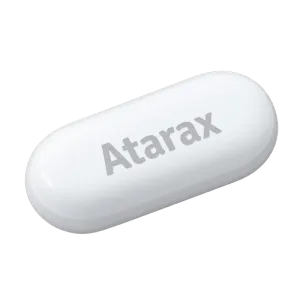
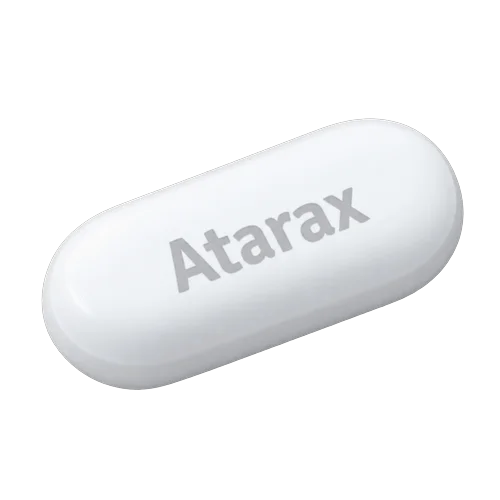
Your order will be securely packed and shipped within 24 hours. This is exactly what your package will look like (images of an actual item sent). It has the size and look of a regular private letter (24x11x0.7 cm) and its contents cannot be seen.

Comparison

Allergies: all medicines side by side

Customer Feedback on Atarax

Based on 3 reviews

Zubair, 45 Verified
Rating: 3.5 out of 5

The itching settled enough for me to sleep. I felt dry-mouthed and slow the next morning, so I stopped driving early after taking it.

Al Ain Three evenings 30 Sep 2026
Hamdan C., 39 Verified
Rating: 3.5 out of 5

The first dose made me sleepy within the evening and took the edge off the tension. It did not solve the reason for the anxiety, and I disliked the heavy feeling the next day.

Ruwais Three days 8 Oct 2026
Faisal, 53 Verified
Rating: 3 out of 5

The skin irritation improved after several doses, but dizziness appeared when I stood up quickly. Taking it later in the day helped, although the rash still needed treatment for its trigger.

Al Reem Island Four days 26 Oct 2026

Sources

  1. European Medicines Agency (2015). Hydroxyzine-containing medicinal products — referral under Article 31 of Directive 2001/83/EC.
  2. European Medicines Agency (2015). PRAC recommendations on hydroxyzine and the risk of QT interval prolongation and torsades de pointes.
Get our free app Shop faster and track your orders 3.4 · 316 reviews Install