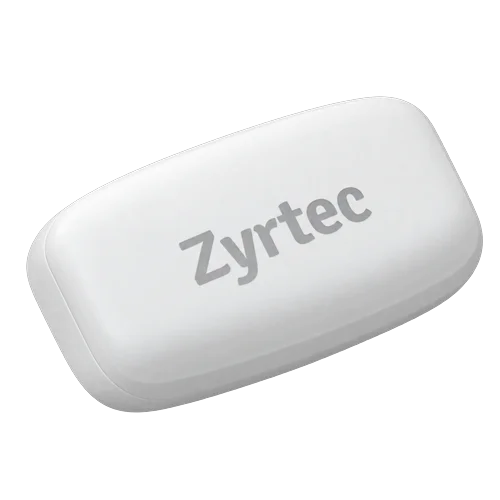
The sneezing settled during the first day, and I could sleep better. I felt slightly sleepy after the first dose, so I moved it to the evening.
Dubai 2 weeks 30 Sep 2026
Zyrtec
Zyrtec tablets are used for adults and children aged six years and older with hay fever, allergic rhinitis, conjunctivitis, hives, and other histamine-related symptoms. The active substance…
Zyrtec tablets are used for adults and children aged six years and older with hay fever, allergic rhinitis, conjunctivitis, hives, and other histamine-related symptoms. The active substance, cetirizine, blocks peripheral H1 histamine receptors to reduce sneezing, runny nose, watery eyes, itching, and skin wheals.
Overview
Zyrtec belongs to the second-generation antihistamine group. Its active substance is cetirizine, an H1-receptor antagonist used to reduce symptoms caused by histamine release during allergic reactions.
What it is used for
Zyrtec is used for allergic conditions in which histamine contributes to symptoms. The main indications include:
- Seasonal allergic rhinitis, commonly called hay fever.
- Perennial allergic rhinitis caused by indoor allergens.
- Allergic conjunctivitis with itchy, watery, or red eyes.
- Chronic spontaneous urticaria, also called chronic hives.
- Itching and raised wheals associated with allergic skin reactions.
- Localised itching after some insect bites or stings.
Seasonal allergic rhinitis may cause sneezing, nasal discharge, nasal itching, and eye irritation during periods of pollen exposure. Perennial allergic rhinitis can continue throughout the year when symptoms are triggered by dust mites, animal dander, or indoor mould.
Allergic conjunctivitis affects the surface tissues around the eyes. Oral cetirizine can reduce the histamine component of itching and watering, although severe eye inflammation may require a separate eye treatment selected for the specific diagnosis.
| Allergic condition | Main symptoms | Typical response |
|---|---|---|
| Hay fever or perennial rhinitis | Sneezing, rhinorrhoea, nasal itching, watery eyes | Reduced histamine-related nasal and eye symptoms |
| Allergic conjunctivitis | Itchy, watery, irritated eyes | Less ocular itching and watering |
| Chronic urticaria | Raised wheals and intense itching | Fewer or less troublesome hives and reduced pruritus |
The European Medicines Agency recognises cetirizine as an antihistamine for allergic rhinitis and urticaria indications [2]. NICE clinical guidance also supports clinical review when persistent nasal symptoms do not respond to treatment. Symptoms that include fever, facial pain, thick discoloured nasal mucus, or persistent one-sided blockage may have another cause and should not automatically be treated as allergy.
Formulation
Zyrtec tablets contain cetirizine. The active substance is absorbed after oral administration and begins reducing histamine-mediated symptoms during the same day for many patients. Its clinical role includes relief of nasal, ocular, and cutaneous allergy symptoms.
Cetirizine acts mainly on peripheral H1 receptors. It does not treat bacterial infection, influenza, or the underlying tendency to develop allergies.
Mechanism of action
Cetirizine acts mainly on peripheral tissues, where it limits histamine activity in the nose, eyes, skin, and upper airways [1].
Histamine contributes to dilation of small blood vessels. It also contributes to swelling, itching, mucus production, and repeated sneezing. By occupying H1 receptors, cetirizine reduces these effects. It does not remove the allergen itself. Symptoms can return when exposure continues.
Second-generation antihistamines are designed to cause less central nervous system sedation than many older antihistamines. Cetirizine can still cause drowsiness in some people, especially when combined with alcohol, sedatives, or other medicines that impair alertness.
How to use it
The regimen for the chosen strength should be confirmed with a healthcare professional before starting. Zyrtec is taken orally as a tablet with water, and it may be taken with or without food.
Key administration points include:
- Use the regimen selected for the individual patient.
- Take doses at a consistent time when regular treatment is required.
- Swallow the tablet with water.
- Do not take extra tablets to compensate for symptoms that remain.
- If a dose is missed, take it when remembered unless the next scheduled dose is near.
- Do not double the next dose after a missed dose.
- Avoid alcohol until the effect on alertness is known.
Children, older adults, and people with reduced kidney function may require a different regimen from a healthy adult. Kidney function matters because cetirizine is eliminated largely through the kidneys. A doctor may adjust the schedule when renal impairment is present.
Comparison
Zyrtec is a second-generation antihistamine. The closest comparisons are based on how the medicine acts and how much sedation it may cause, rather than on commercial brand names.
| Approach | Main characteristic | Practical limitation |
|---|---|---|
| Cetirizine-based antihistamine | Strong peripheral H1 blockade for nasal, eye, and skin symptoms | Drowsiness remains possible |
| Less-sedating second-generation H1 antihistamine | Designed to maintain allergy relief with limited central effects | Response and tolerability vary between individuals |
| Older sedating H1 antihistamine | Can reduce histamine symptoms and may cause marked sedation | More impairment, dry mouth, and anticholinergic effects |
Cetirizine is often selected when one oral treatment is needed for both rhinitis and itching. A different second-generation antihistamine may suit someone who develops sleepiness with cetirizine. Older sedating antihistamines may interfere with driving, work, learning, or balance and are a poor choice for many daytime situations.
Patients sometimes assume that “non-drowsy” means “unable to cause drowsiness.” That assumption is unsafe. Individual sensitivity, kidney function, alcohol, sleep deprivation, and interacting medicines can change the effect.
Common mistakes
Several errors can reduce benefit or increase adverse effects:
- Taking extra tablets because symptoms have not disappeared immediately.
- Driving after the first dose without checking for drowsiness.
- Combining Zyrtec with alcohol or sedative medicines.
- Treating wheezing or throat tightness as ordinary hay fever.
- Continuing treatment for a persistent rash without confirming the diagnosis.
- Assuming that every blocked nose is caused by allergy.
- Using an adult regimen for a child without a specific dosing decision.
- Ignoring reduced kidney function when choosing the regimen.
- Stopping and restarting irregularly while trying to control chronic hives.
A common misunderstanding is that a stronger subjective effect means better allergy control. Marked sleepiness is an adverse effect, not evidence that the medicine is working more effectively.
Another mistake is using cetirizine to manage an emergency reaction. It may reduce itch, but it cannot reliably reverse airway swelling, shock, or severe breathing difficulty. Emergency symptoms require urgent medical treatment.
Who should not use it
- Previous allergic reaction to cetirizine, hydroxyzine, or related piperazine compounds.
- Severe kidney impairment.
- A history of urinary retention or significant bladder outflow obstruction.
- Epilepsy or a lowered seizure threshold.
- Pregnancy or breastfeeding without an individual treatment decision.
- Use of alcohol, sedatives, or other medicines that cause sleepiness.
- Children below the age range approved for the particular tablet formulation.
Severe kidney impairment can increase cetirizine exposure and prolong its effects. The required regimen may differ from that used in people with normal renal function. Older adults may also be more vulnerable to dizziness, falls, and confusion.
Tell the prescribing clinician about all medicines and supplements used regularly. Sedative medicines can intensify impaired alertness. Medicines that affect kidney function may also matter when cetirizine is being considered.
The UAE Ministry of Health and Prevention, or MOHAP, provides national medicines oversight, while clinical decisions still depend on the patient’s kidney function, age, symptoms, and treatment history.
When this is not for you
Zyrtec may not be suitable if you have severe kidney problems, have previously had a serious reaction to cetirizine, or have symptoms that need urgent medical assessment. Ask a clinician before using it if you have urinary problems, epilepsy, are pregnant or breastfeeding, or take alcohol or medicines that make you sleepy.
Unwanted effects
The most common practical concern with cetirizine is drowsiness. Fatigue, headache, dry mouth, dizziness, and stomach discomfort can also occur. Many reactions are mild, but the response differs between people.
Possible effects include:
- Sleepiness or reduced alertness.
- Tiredness.
- Headache.
- Dry mouth.
- Dizziness.
- Nausea or abdominal discomfort.
- Sore throat or nasal irritation.
- Skin rash or hypersensitivity.
Cetirizine can produce less sedation than many older antihistamines, yet it still affects some patients. One person may notice sleepiness after the first tablet, while another may feel no change. Do not combine it casually with alcohol, sleeping tablets, opioid pain medicines, or sedating anxiety medicines.
Urinary difficulty is uncommon but deserves attention in people with prostate enlargement or bladder outflow problems. People with epilepsy should also discuss antihistamine use with a doctor because sleep disruption and individual medicine effects can influence seizure control.
Stop using the medicine and seek urgent help for facial or throat swelling, trouble breathing, collapse, severe widespread rash, or rapidly worsening symptoms. These may indicate a serious hypersensitivity reaction.
What doctors say
In clinical practice, doctors usually assess whether the symptom pattern is genuinely allergic before recommending repeated antihistamine use. Clear nasal discharge, sneezing, itching, and watery eyes support an allergic pattern. Fever, significant facial pain, purulent discharge, or persistent chest symptoms point toward other diagnoses.
A physician would also ask whether symptoms occur during pollen exposure, around animals, in dusty rooms, or throughout the year. That information can guide allergen avoidance and determine whether oral treatment alone is enough.
Cetirizine often offers useful coverage for both rhinitis and hives. Its limitation is that it does not treat every cause of nasal blockage, eye redness, or skin rash. A rash that bruises, bleeds, lasts in one spot for more than a day, or occurs with joint pain needs medical assessment.
Doctors pay close attention to sedation. A patient who operates machinery, drives long distances, works at height, or cares for young children may need to test tolerability during a period when alertness demands are low.
What customers often ask
How does Zyrtec differ from the closest alternative antihistamine?
Zyrtec contains cetirizine, a second-generation H1 antihistamine that reduces peripheral histamine activity. Other medicines in the same broad group use different active substances and may produce a different balance of drowsiness, duration, and symptom relief. The EMA product information from 2015 describes cetirizine as an oral treatment for allergic rhinitis and urticaria. Individual response remains the deciding clinical factor.
What should be discussed with a doctor before starting Zyrtec?
Discuss kidney function, previous reactions to antihistamines, epilepsy, urinary retention, pregnancy, breastfeeding, and medicines that cause sleepiness. Mention driving, machinery operation, or safety-sensitive work because cetirizine can reduce alertness in some people. MOHAP medicine-safety principles from 2023 support reviewing a patient’s existing treatment before adding another medicine. This review is also useful when symptoms may reflect infection, asthma, or another condition rather than allergy.
Can Zyrtec cause drowsiness?
Yes, cetirizine can cause drowsiness, even though it belongs to the second-generation antihistamine class. The effect may be stronger with alcohol, sleeping medicines, opioid painkillers, or other sedatives. The FDA-approved cetirizine prescribing information from 2019 identifies somnolence as a possible adverse effect. Avoid driving until your individual response is clear.
What should happen after a missed dose?
Take the missed dose when remembered if the next scheduled dose is not near. If the next dose is due soon, skip the missed dose and return to the regular regimen. Do not take two doses together. Guidance from the WHO from 2022 on responsible medicine use supports avoiding double dosing after a missed oral dose [3].
How long does one dose of Zyrtec keep working?
Cetirizine is intended to provide allergy symptom control across much of the day after a dose. The duration can vary with kidney function, the severity of allergen exposure, and the individual response. EMA pharmacology information from 2015 describes cetirizine as a medicine with a sustained antihistamine effect suitable for regular once-daily regimens in appropriate patients. Persistent symptoms do not justify taking extra doses.
Which condition rules out Zyrtec?
Severe kidney impairment may rule out standard use or require a substantially altered regimen. A previous serious reaction to cetirizine or a related compound also rules out further use. The FDA label from 2019 advises attention to renal function and hypersensitivity history before treatment. A clinician should select an alternative approach when these risks apply.
Which symptoms mean stopping Zyrtec and seeking urgent care?
Stop taking it and seek urgent medical help for swelling of the tongue or throat, breathing difficulty, faintness, collapse, or a rapidly spreading severe rash. These symptoms can indicate anaphylaxis or another serious hypersensitivity reaction. The WHO guidance from 2022 identifies airway, breathing, and circulation problems as emergency features requiring immediate care. Do not wait for an oral antihistamine to control severe airway or circulatory symptoms.
Do you offer anonymous delivery?
Your order will be securely packed and shipped within 24 hours. This is exactly what your package will look like (images of an actual item sent). It has the size and look of a regular private letter (24x11x0.7 cm) and its contents cannot be seen.
Comparison
Allergies: all medicines side by sideSources
- European Medicines Agency (EMA) (2015). Summary of Product Characteristics (SmPC) — cetirizine.
- Ministry of Health and Prevention (MOHAP) (2023). National medicines safety information.
- World Health Organization (WHO) (2022). Anaphylaxis: assessment and emergency management guidance.