Skip to content
Fast & Discrete Delivery Save up to 80%
In stock Diane 35
Contraception

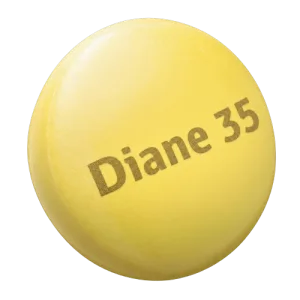
Diane 35

Diane 35 tablets are taken orally as part of a prescribed hormonal treatment plan for women with androgen-related conditions such as severe acne or excess facial and body hair. Medical assessment is…

Guaranteed quality Original product
Delivery: from 4 days Discreet shipping
24/7 Support Always available
Active ingredient: Ethinylestradiol
Select pack Package Per unit Price
AED 22.17 AED 465.66
AED 18.00 AED 931.32 AED 756.20 Save 19%
Best value Free Express Delivery AED 15.92 AED 1,862.64 AED 1,337.28 Save 28%

Free delivery on orders from AED 796.00, free express delivery from AED 1,194.00

Secure payment methods:
VISA AMEX JCB DISCOVER

Diane 35 tablets are taken orally as part of a prescribed hormonal treatment plan for women with androgen-related conditions such as severe acne or excess facial and body hair. Medical assessment is needed before treatment because hormonal therapy can affect blood pressure, clotting risk, and menstrual patterns.

Overview

Diane 35 belongs to prescription hormonal therapy used in women’s health. Its clinical role is linked to androgen-dependent conditions, including acne associated with increased oil production and unwanted hair growth. Treatment selection depends on symptoms, medical history, blood pressure, migraine history, smoking status, and previous reactions to hormonal medicines.

What it is used for

The skin benefits of Diane 35 develop gradually. Oiliness may improve before deeper inflammatory acne lesions settle, while unwanted hair usually takes longer because existing hairs remain in their growth cycle.

Clinical improvement may involve:

  • Fewer new inflamed spots
  • Less facial shine and oil production
  • Reduced progression of androgen-related hair growth
  • More predictable withdrawal bleeding during the treatment cycle

Patients should not judge the result after only a few tablets. Dermatological improvement commonly requires several treatment cycles, and hair-related changes can take longer because hair follicles respond slowly to hormonal changes.

Diane 35 is also a hormonal contraceptive during use, but contraception should not be the only reason for prescribing it when acne or hirsutism is absent. European regulatory guidance has restricted the use of cyproterone-containing hormonal combinations to appropriate androgen-dependent conditions because of clotting and other safety concerns [1].

Androgen-dependent conditions

Androgens are hormones that can stimulate sebaceous glands and hair follicles. In susceptible women, this stimulation can contribute to oilier skin, acne, or coarse hair growth in areas such as the chin, upper lip, chest, or abdomen.

A clinician may consider menstrual regularity, acne distribution, hair pattern, weight changes, scalp hair thinning, and laboratory findings. Rapidly developing symptoms need assessment rather than automatic treatment with Diane 35.

Take the tablet at the same time each day. Linking it with a routine such as brushing your teeth can reduce missed doses, but avoid taking it close to bedtime if it causes nausea or sleep disruption.

Formulation

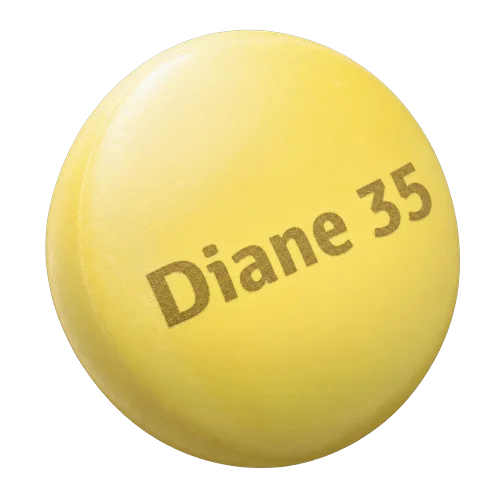
Diane 35 is an orally administered prescription hormonal therapy for women. The specific active substances and their amounts are not established in the available information, so treatment composition should be confirmed with a doctor or pharmacist.

Mechanism of action

Cyproterone acetate blocks androgen activity at androgen receptors and reduces androgen-driven stimulation of sebaceous glands and hair follicles. Ethinylestradiol suppresses ovarian androgen production and increases sex hormone-binding globulin, reducing the amount of free androgen available to tissues. Together, these actions can reduce oil production, acne, and androgen-related hair growth.

How to use it

Diane 35 is taken orally. The exact amount and frequency depend on the purpose of treatment and are agreed with a doctor or pharmacist.

A typical treatment plan uses one tablet daily for a defined part of the menstrual cycle, followed by a tablet-free interval. The timing must follow the prescribed regimen because altering the cycle can cause breakthrough bleeding and reduce contraceptive reliability.

Key administration points include:

  • Swallow the tablet with water.
  • Take it at approximately the same time each day.
  • Continue the prescribed sequence even when the skin begins to improve.
  • Do not take extra tablets to compensate for several missed doses.
  • Do not start a new cycle earlier than prescribed.
  • Report persistent vomiting or severe diarrhoea because absorption may be reduced.

A missed tablet requires attention to the time elapsed since the usual dose. If the delay is short, taking the tablet when remembered may be appropriate. A longer delay can require additional contraceptive precautions, depending on the treatment week and the number of missed tablets. The exact action also depends on whether vomiting or diarrhoea occurred after dosing.

If vomiting occurs soon after taking the tablet, absorption may be incomplete. Treat the episode as a potentially missed dose and obtain specific instructions based on the time since ingestion.

Missed-dose patterns

Missing tablets near the beginning or end of a treatment cycle can create a longer hormone-free interval. That situation may increase the chance of ovulation and reduce contraceptive protection.

Patients should record missed tablets rather than relying on memory. A phone reminder or a written schedule can help, especially when the prescribed routine includes a planned tablet-free interval.

Do not double the next dose unless a clinician specifically instructs you to do so. If unprotected intercourse occurred after missed tablets, urgent advice may be needed about pregnancy prevention.

Comparison

Diane 35 is an oral prescription hormonal approach for androgen-related conditions, whereas topical treatments are applied directly to the skin and do not use a systemic hormonal treatment plan. The choice depends on symptoms, medical history, blood pressure, migraine history, smoking status, and previous reactions to hormonal medicines.

Common mistakes

Several habits can make Diane 35 less reliable or make side effects harder to interpret:

  • Starting treatment without disclosing migraine with aura or previous thrombosis
  • Taking tablets at widely different times each day
  • Treating a missed tablet as harmless during the first or final week of a cycle
  • Using another hormonal contraceptive at the same time without instructions
  • Ignoring persistent high blood pressure
  • Stopping after a few weeks because acne has not changed
  • Restarting after a long interruption without reviewing current health risks
  • Forgetting to mention St John’s wort or anti-seizure treatment
  • Assuming that all vaginal bleeding means the medicine has failed
  • Continuing despite symptoms suggestive of a blood clot

A common practical error is restarting Diane 35 after several months without mentioning a new smoking habit, recent surgery, weight change, or migraine diagnosis. Risk status can change even when the medicine has been tolerated before.

Who should not use it

The following conditions require avoidance or specialist assessment:

  • Current or previous deep-vein thrombosis or pulmonary embolism
  • Known clotting disorder or strong family history of early thrombosis
  • Previous stroke, heart attack, or significant arterial disease
  • Migraine with aura
  • Uncontrolled high blood pressure
  • Severe liver disease or liver tumours
  • Breast cancer or another hormone-sensitive cancer
  • Unexplained vaginal bleeding
  • Pregnancy
  • Severe diabetes-related vascular disease
  • Allergy to any component of the tablet

Several medicines can reduce hormonal contraceptive reliability by increasing liver enzymes or changing hormone metabolism. Examples include some treatments for epilepsy, tuberculosis, HIV infection, and hepatitis C. St John’s wort can also reduce contraceptive protection.

Some antibiotics do not reduce contraceptive reliability, while enzyme-inducing antibiotics can. The distinction matters, so the exact medicine name should be checked before starting treatment.

Do not combine Diane 35 with another hormonal contraceptive unless the prescriber has given a clear plan. Using two hormonal products together may increase adverse effects without improving acne or hair symptoms.

When this is not for you

Diane 35 is not suitable for every woman. NOT for you if you have a current or previous clot, migraine with aura, pregnancy, or another contraindication listed below.

Women who smoke should disclose the amount and frequency. Smoking adds cardiovascular risk, and the risk becomes more concerning with age.

Before planned surgery or a period of prolonged immobility, tell the surgical team that you use hormonal treatment. A temporary interruption may be considered in some situations, but the timing must be decided by the treating clinician.

Unwanted effects

Hormonal treatment can cause unwanted effects, especially during the first treatment cycles. Possible effects include nausea, abdominal discomfort, headache, breast tenderness, mood changes, changes in menstrual bleeding, and fluid retention.

Some reactions may settle as the body adapts. Persistent or troublesome symptoms deserve a medication review rather than repeated self-treatment.

Seek urgent medical assessment for:

  • One-sided leg swelling, pain, warmth, or sudden tenderness
  • Sudden shortness of breath or chest pain
  • Coughing blood
  • Sudden weakness, facial drooping, speech difficulty, or vision loss
  • Severe new headache with neurological symptoms
  • Yellowing of the skin or eyes
  • Severe abdominal pain
  • A serious allergic reaction with swelling of the face or difficulty breathing

Combined hormonal products carry a risk of venous or arterial thrombosis. Risk rises with smoking, increasing age, obesity, prolonged immobility, surgery, and a personal or family history of clotting disorders. The EMA and national regulatory authorities advise careful patient selection for cyproterone-containing combinations [2].

One practical detail often missed is that leg discomfort after a long flight should not automatically be treated as a muscle strain when hormonal treatment is being used. New one-sided swelling or pain needs prompt clinical assessment.

Mood changes also deserve attention. A clear decline in mood, severe anxiety, or thoughts of self-harm require immediate medical support.

What doctors say

Clinicians generally assess Diane 35 as a targeted hormonal option for androgen-dependent acne or hirsutism rather than a first response to every skin complaint. The treatment decision includes a cardiovascular risk review, blood-pressure measurement, medication history, and discussion of pregnancy plans.

A doctor may also review the response after several cycles. Improvement in acne supports continuation when tolerability is good, while persistent symptoms may require a dermatology or endocrinology assessment.

The practical clinical message is simple: treatment should have a defined indication and a review plan. Continuing indefinitely without reassessing the original reason for treatment can expose a patient to risk without a clear benefit.

The WHO considers combined hormonal contraceptive use through a medical eligibility framework that accounts for age, vascular risk, migraine, postpartum status, and coexisting disease [3]. That framework supports individual assessment rather than a one-size-fits-all approach.

What customers often ask

Which condition rules out Diane 35 completely?

A current or previous blood clot, pulmonary embolism, stroke, or heart attack generally rules out Diane 35. Migraine with aura, severe liver disease, uncontrolled hypertension, and pregnancy are also major reasons to avoid it. EMA referral information from 2018 identifies thromboembolic history as a critical factor when assessing cyproterone-containing hormonal treatment. The decision should be made before the first tablet, not after symptoms develop. A clinician should review alternatives when any of these risks applies.

How long does one Diane 35 tablet keep working?

One tablet contributes to a continuous daily hormone regimen rather than providing a standalone treatment effect for several days. Missing tablets can reduce contraceptive reliability, especially when the missed dose extends the hormone-free interval. WHO medical eligibility guidance from 2015 describes combined hormonal contraception as dependent on regular administration. A single tablet should not be treated as protection that lasts for an entire week.

What is the best time of day to take Diane 35?

There is no universal medically superior time of day. The most useful time is one that allows consistent daily dosing, such as after an evening meal or with a morning routine. WHO medication guidance from 2015 support clear, repeatable medicine schedules that reduce administration errors. Taking it with food may help patients who experience nausea.

What should happen after a missed tablet?

Take action according to the delay and the week of the treatment cycle. A short delay may be managed by taking the tablet when remembered, while a longer delay may require additional contraceptive precautions. EMA product information from 2018 treats missed tablets differently depending on the timing and number of doses missed. Do not take several tablets together without specific instructions.

Do diet, exercise, or daily habits affect the result?

Smoking increases vascular risk and can make combined hormonal treatment less suitable. Regular movement is useful during long travel or periods of sitting, while severe vomiting or diarrhoea can interfere with absorption. WHO guidance from 2015 supports attention to cardiovascular risk factors when choosing hormonal contraception. Food may reduce nausea, but it does not correct a missed dose or replace contraceptive precautions.

What happens after stopping Diane 35, and is tapering needed?

Diane 35 is generally stopped according to a clinician’s treatment plan rather than tapered like some medicines that cause withdrawal symptoms. Acne or excess hair growth can return if the underlying androgen sensitivity remains. EMA referral information from 2018 recommends reassessing the indication and alternative treatment options when cyproterone-containing therapy is discontinued. Menstrual bleeding may change temporarily after stopping.

Can Diane 35 be combined with anti-seizure medicines or supplements?

Some anti-seizure medicines can lower hormone concentrations and reduce contraceptive protection. St John’s wort may have a similar effect through enzyme induction. WHO medical eligibility guidance from 2015 advises reviewing interacting medicines before relying on combined hormonal contraception. Provide the complete medicine and supplement list before treatment begins, including products used occasionally.

Do you offer anonymous delivery?

Your order will be securely packed and shipped within 24 hours. This is exactly what your package will look like (images of an actual item sent). It has the size and look of a regular private letter (24x11x0.7 cm) and its contents cannot be seen.

Comparison

Contraception: all medicines side by side

Customer Feedback on Diane 35

Based on 5 reviews

Layla, 33 Verified
Rating: 3.5 out of 5

My skin became less oily first, then the painful spots reduced. I had mild nausea during the first week, so taking it after dinner helped. I kept a reminder because missing tablets caused spotting.

Al Reem Island Several cycles 30 Sep 2026
Dana, 58 Verified
Rating: 3.5 out of 5

The acne improved, but breast tenderness was uncomfortable during the first month. My doctor checked my blood pressure and reviewed my other medicines before I continued.

Bur Dubai The first month 6 Oct 2026
Lakshmi, 69 Verified
Rating: 1.5 out of 5

I had hoped it would help quickly, but the plan changed after my health history was assessed. The appointment was useful because my previous clotting concern made this treatment unsuitable.

Hatta 13 Oct 2026
Reem, 53 Verified
Rating: 1.5 out of 5

The first cycle brought irregular bleeding and headaches. The headaches settled, but I stopped and contacted the clinic when they returned with visual symptoms.

Mussafah The first cycle 19 Oct 2026
Ayesha, 60 Verified
Rating: 3.5 out of 5

The skin looked calmer after several weeks, although the improvement was gradual. I found that taking the tablet with food reduced stomach discomfort, but I still needed regular reviews.

Abu Dhabi Several weeks 29 Oct 2026

Sources

  1. European Medicines Agency (2013). Cyproterone acetate and ethinylestradiol-containing medicines: referral assessment and restrictions of use.
  2. European Medicines Agency (2018). Cyproterone acetate: referral procedure and measures to minimise the risk of meningioma.
  3. World Health Organization (2015). Medical eligibility criteria for contraceptive use, fifth edition.
Get our free app Shop faster and track your orders 3.4 · 316 reviews Install