The bleeding became predictable, which made planning easier. I did have breast tenderness at first, and the symptom was uncomfortable enough that I arranged a review rather than continuing automatically.
Ajman Several cycles 20 Oct 2026
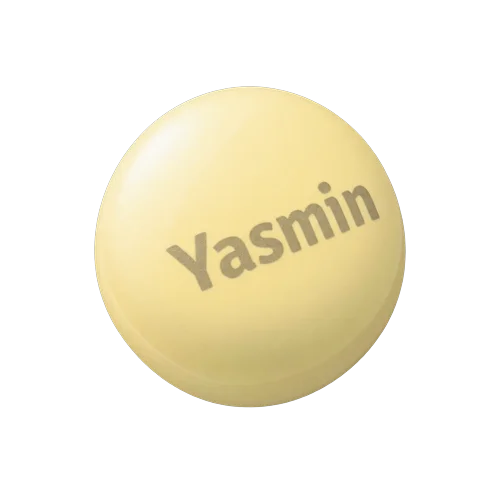
Yasmin
Yasmin is intended for women of reproductive age seeking oral pregnancy prevention. Its repeating schedule supports contraception by suppressing ovulation and changing cervical mucus and the uterine…
Yasmin is intended for women of reproductive age seeking oral pregnancy prevention. Its repeating schedule supports contraception by suppressing ovulation and changing cervical mucus and the uterine lining.
Overview
Women of reproductive age seeking oral pregnancy prevention may be prescribed Yasmin. It is a combined contraceptive pill taken on a repeating schedule to suppress ovulation, thicken cervical mucus, and change the uterine lining.
What it is used for
Yasmin is used for oral pregnancy prevention in women of reproductive age. It is taken on a repeating schedule of 21 consecutive days followed by a seven-day tablet-free interval. Its contraceptive action supports prevention by suppressing ovulation, thickening cervical mucus, and changing the uterine lining.
Formulation
Yasmin belongs to the combined oral contraceptive class. Its pharmacological action combines an oestrogen component with a progestogen component, producing several contraceptive effects rather than relying on a single biological pathway.
The hormonal combination is designed to:
- Suppress the monthly release of gonadotropins from the pituitary gland.
- Prevent the ovary from releasing an egg.
- Increase the thickness of cervical mucus, making sperm movement more difficult.
- Produce an endometrial environment that is less suitable for implantation.
- Create a predictable withdrawal bleed during the hormone-free interval.
Yasmin tablets are taken orally. The regimen uses consecutive active tablets followed by a planned tablet-free interval. The precise dose is selected according to the prescribed formulation and the individual’s medical history.
Active hormonal components
The oestrogen and progestogen in a combined pill act at different points in the reproductive hormone cycle. The oestrogen component helps suppress follicle-stimulating hormone, while the progestogen component provides strong suppression of luteinising hormone, the hormone that triggers ovulation.
The progestogen component also affects cervical mucus and the endometrium. These actions continue to support contraception if ovulation suppression is incomplete.
Yasmin should be regarded as a prescription contraceptive rather than a treatment for every menstrual or skin symptom. Some users experience lighter, more predictable bleeding or improvement in acne, while others develop nausea, breast discomfort, headaches, or mood changes.
Mechanism of action
Yasmin prevents pregnancy mainly by suppressing ovulation. The hormones reduce pituitary stimulation of the ovaries, limiting follicular development and preventing the hormonal surge required for egg release.
Cervical mucus becomes thicker during use. This creates a physical barrier that reduces sperm penetration through the cervix. The endometrium also remains under controlled hormonal influence, which contributes to the contraceptive effect.
The tablet does not protect against sexually transmitted infections. Condoms remain necessary when infection protection is required.
The contraceptive benefit depends on regular use. Vomiting, severe diarrhoea, enzyme-inducing medicines, and missed tablets can reduce hormonal exposure. The European Medicines Agency describes combined hormonal contraception as highly dependent on correct daily administration and individual thromboembolic risk assessment [1].
How to use it
The standard Yasmin schedule uses one tablet each day for 21 consecutive days, followed by a seven-day tablet-free interval. A new cycle begins after the seven-day break.
The daily routine is:
- Take one tablet at approximately the same time each day.
- Continue for 21 consecutive days.
- Take no active tablet during the next seven days.
- Start the next strip on the eighth day, even if withdrawal bleeding continues.
- Use the prescribed starting instructions when changing from another contraceptive method.
There is no single dose that suits every user because the prescribed strength, starting situation, and treatment plan can differ.
If a tablet is late by a short period, take it as soon as remembered and continue the next tablet at the usual time. If more than one tablet has been missed, protection may be reduced. The required action depends on which week of the cycle is involved and whether unprotected sex occurred.
For a missed tablet:
- Take the most recently missed tablet as soon as possible.
- Continue the remaining tablets at the normal time.
- Use condoms when the missed-tablet instructions require additional protection.
- Seek urgent clinical advice if several tablets were missed or vomiting prevented absorption.
Vomiting or severe diarrhoea soon after taking a tablet can be managed as a missed-tablet situation because the hormone may not have been absorbed. Do not double several doses together unless a clinician or the official dosing instructions specifically direct this.
Comparison
Contraceptive options differ by hormone content, dosing frequency, clot-risk profile, bleeding pattern, and suitability during breastfeeding or certain medical conditions. A brand name alone does not determine whether another pill is interchangeable.
| Contraceptive category | Main feature | Typical clinical consideration |
|---|---|---|
| Combined oral contraceptive | Oestrogen plus progestogen | Daily use; unsuitable for some clot-risk conditions |
| Progestogen-only pill | Progestogen without oestrogen | May suit some people who cannot use oestrogen |
| Long-acting reversible contraception | Hormonal or copper device | Reduces reliance on daily tablet-taking |
Yasmin may be considered when a combined pill is appropriate and a daily oral method suits the user. A progestogen-only pill may be preferred when oestrogen is unsuitable. Long-acting methods may be more practical for people who frequently forget tablets.
The choice also depends on migraine history, blood pressure, breastfeeding, interactions, bleeding preferences, and plans for pregnancy. Switching between methods requires a defined transition schedule to avoid an unprotected interval.
Common mistakes
Several practical errors reduce contraceptive reliability:
- Starting a new cycle late after the seven-day interval.
- Treating several missed tablets as harmless.
- Forgetting that severe diarrhoea can interfere with absorption.
- Assuming Yasmin protects against sexually transmitted infections.
- Stopping after a few days because of mild nausea without arranging another method.
- Using St John’s wort without checking for interactions.
- Ignoring migraine with aura because previous headaches were mild.
- Failing to mention smoking, recent surgery, or a close relative’s clot.
- Taking emergency contraception without checking possible interactions.
- Assuming that a lighter withdrawal bleed always confirms that pregnancy is impossible.
One practical detail is easy to miss: the tablet-free interval must not be extended. Starting the next cycle late can allow ovarian activity to resume.
Another is the difference between spotting and a serious symptom. Light spotting can occur during adaptation, while severe abdominal pain, fainting, or unusual bleeding needs prompt assessment.
Who should not use it
Yasmin is not for you if you have a listed contraindication, such as a current or previous blood clot, migraine with aura, or severe liver disease. A combined hormonal contraceptive should generally be avoided in people with:
- Current or previous deep-vein thrombosis or pulmonary embolism.
- Known thrombophilia or a strong personal or family history of clotting.
- Migraine with aura.
- Serious cardiovascular disease or a previous stroke.
- Uncontrolled high blood pressure.
- Severe liver disease or liver tumours.
- Certain hormone-sensitive cancers, including some breast cancers.
- Unexplained vaginal bleeding that has not been assessed.
- Allergy to a component of the prescribed formulation.
- The early period after childbirth when clot risk is elevated.
Smoking becomes a more serious concern with increasing age, especially after 35. A clinician may select a non-oestrogen method where clot risk is significant.
Yasmin can interact with medicines that increase liver enzyme activity. Examples include some treatments for epilepsy, tuberculosis, HIV, hepatitis C, and certain herbal preparations containing St John’s wort. These medicines may reduce contraceptive hormone levels and require additional contraception.
Some medicines used for high blood pressure, kidney disease, or potassium balance may also require review because particular progestogen profiles can influence potassium handling. The EMA product information for Yasmin describes these contraindications and interaction precautions [3].
When this is not for you
Yasmin is not for you if you have a listed contraindication, such as a current or previous blood clot, migraine with aura, or severe liver disease.
Unwanted effects
Combined contraceptive pills can cause unwanted effects, especially during the first few cycles. The most reported reactions include:
- Nausea or stomach discomfort.
- Headache.
- Breast tenderness or breast pain.
- Spotting or changes in bleeding.
- Mood changes or depressed mood.
- Migraine or worsening headache.
- Fluid retention or a feeling of bloating.
These symptoms may settle after the body adapts, but persistent or severe symptoms require medical review. Mood deterioration should be taken seriously, especially if it includes hopelessness, loss of interest, or thoughts of self-harm.
The most serious concern with combined hormonal contraception is venous thromboembolism. A blood clot may form in a deep vein, usually in the leg, or travel to the lungs as a pulmonary embolism. The risk is higher than in non-users, although the absolute risk remains low for many healthy younger women.
Urgent assessment is needed for:
- One-sided leg swelling, warmth, or pain.
- Sudden breathlessness.
- Sharp chest pain that worsens with breathing.
- Coughing blood.
- Sudden weakness, speech difficulty, or vision loss.
- A new severe headache with neurological symptoms.
Risk assessment should include smoking, obesity, prolonged immobility, migraine with aura, personal or family clotting history, recent surgery, and the time soon after childbirth. The WHO Medical Eligibility Criteria addresses these factors when contraceptive methods are selected [2].
What doctors say
In clinical practice, the first assessment focuses on clot risk rather than acne or cycle convenience. A prescriber will usually ask about migraine with aura, smoking, blood pressure, previous clots, surgery, immobility, family history, liver disease, and medicines.
Doctors also look for a realistic adherence plan. A pill can work well when taken consistently, yet its protection becomes less reliable after repeated missed doses. Patients often underestimate how easily vomiting, travel disruption, or a changing work schedule can interfere with daily administration.
A physician may review troublesome symptoms after the first few cycles. Mild nausea or breast tenderness may improve, while persistent depression, severe migraine, or recurrent unscheduled bleeding may justify changing the method.
Yasmin does not treat every cause of irregular bleeding. Pregnancy, thyroid disease, polycystic ovary syndrome, fibroids, infection, and other conditions may require separate assessment. The American College of Obstetricians and Gynecologists supports individualised contraceptive counselling that includes medical history, preferences, and non-contraceptive benefits [4].

What customers often ask
Can people under 18 use Yasmin?
Yasmin may be prescribed to some adolescents after an individual assessment of pregnancy prevention needs, menstrual symptoms, migraine history, blood pressure, and clot risk. The American College of Obstetricians and Gynecologists supports contraceptive access for adolescents when the method is medically suitable and informed choice is respected. The UK Faculty of Sexual and Reproductive Healthcare guidance reviewed in 2023 also treats age alone as insufficient reason to exclude a suitable contraceptive method. A minor with severe headache, aura, unexplained bleeding, or a clotting history needs careful assessment before use. Follow-up should be arranged if new symptoms develop after starting treatment.
Can Yasmin be taken with food or on an empty stomach?
Yasmin can generally be taken with food or without food, provided the tablet is taken consistently each day. Taking it with an evening meal may reduce the inconvenience of mild nausea for some users, although food does not remove the need for regular dosing. The FDA prescribing information for combined oral contraceptives, revised in 2012, identifies vomiting and severe diarrhoea as situations that can compromise absorption. Persistent vomiting soon after a tablet should be managed using the missed-tablet instructions.
Can Yasmin be combined with other medicines or supplements?
Some medicines can reduce contraceptive protection, including enzyme-inducing treatments used for epilepsy, tuberculosis, HIV, or hepatitis C. St John’s wort can also reduce hormone exposure and is not a suitable supplement to add without a specific interaction review. The WHO publishes interaction-based contraceptive guidance that remains clinically relevant in 2026. Extra contraception or a different method may be required during treatment with an interacting medicine and for the recommended period afterward.
Which condition rules Yasmin out?
A current or previous venous thromboembolism is a major reason to avoid combined hormonal contraception. Migraine with aura, certain cardiovascular conditions, severe liver disease, and some hormone-sensitive cancers can also rule out use. The EMA product information for Yasmin, issued in 2012, lists these conditions among the contraindications. A history of clotting in a close relative can also change the risk assessment, especially when it occurred at a young age.
Is Yasmin suitable for older adults?
Age alone does not answer this question, but the balance of risks changes as cardiovascular risk factors accumulate. Smoking, hypertension, diabetes with vascular disease, migraine with aura, obesity, and previous clotting become more significant with age. WHO contraceptive guidance published in 2015 remains a recognised framework for age-related medical eligibility, while local clinical assessment should reflect the person’s current health. A combined pill is usually reconsidered as menopause approaches because pregnancy risk declines and oestrogen-related risks may increase.
What happens after stopping Yasmin, and is tapering needed?
Yasmin does not usually require tapering because combined contraceptive pills are stopped rather than gradually reduced. Ovulation may return quickly, so pregnancy can occur before the next natural period if another contraceptive method is not used. NHS guidance reviewed in 2024 explains that fertility generally returns after stopping combined contraception, although the timing of the first natural cycle differs between individuals. Bleeding may be irregular for a short time, and persistent absent periods need clinical evaluation.
How long can a Yasmin course last, and is long-term use acceptable?
There is no universal maximum duration for a medically suitable user. Long-term use can be acceptable when blood pressure remains controlled, no contraindication develops, and the person’s clot and cardiovascular risk remain acceptable. The Faculty of Sexual and Reproductive Healthcare guidance updated in 2023 supports continued combined hormonal contraception for suitable individuals after periodic reassessment. Yasmin should be stopped and reviewed if new migraine with aura, a suspected clot, severe hypertension, major surgery, or another contraindication develops.
Do you offer anonymous delivery?
Your order will be securely packed and shipped within 24 hours. This is exactly what your package will look like (images of an actual item sent). It has the size and look of a regular private letter (24x11x0.7 cm) and its contents cannot be seen.
Comparison
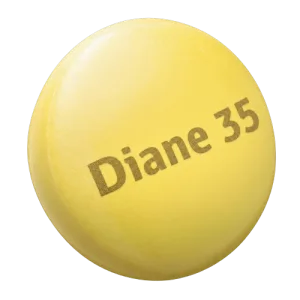
Diane 35
Yasmin Current
Sources
- European Medicines Agency (2019). Combined hormonal contraceptives — risk of venous thromboembolism and product information principles.
- World Health Organization (2015). Medical Eligibility Criteria for Contraceptive Use, Fifth Edition.
- European Medicines Agency (2012). Yasmin — Summary of Product Characteristics.
- American College of Obstetricians and Gynecologists (2019). Adolescents and Long-Acting Reversible Contraception: Implants and Intrauterine Devices.