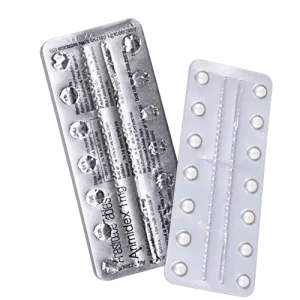
I took one tablet each morning after surgery. The first month brought night sweats, but they became easier to manage with a cooler bedroom. My follow-up visits were more reassuring once the routine became automatic.
Ras Al Khaimah One month 29 Oct 2026
Nolvadex
Nolvadex is a tamoxifen tablet for adults with hormone receptor-positive breast cancer and, in selected adults, for reducing breast-cancer risk. It forms part of treatment plans intended to reduce…
Nolvadex is a tamoxifen tablet for adults with hormone receptor-positive breast cancer and, in selected adults, for reducing breast-cancer risk. It forms part of treatment plans intended to reduce recurrence risk or treat advanced disease, with use agreed by an oncology team.
Overview
Nolvadex contains tamoxifen, a selective oestrogen receptor modulator. Its tablet strength is stated on the product marking, and the product is supplied as tablets for oral use. Tamoxifen binds to oestrogen receptors, changing how oestrogen signals are received in different tissues.
Active ingredient and composition
The active ingredient is tamoxifen. Tamoxifen is pharmacologically classified as a selective oestrogen receptor modulator.
The tablet is swallowed. It is not an aromatase inhibitor, chemotherapy agent, or cytotoxic drug. Its principal action is endocrine: it changes the response of oestrogen receptors rather than directly destroying cancer cells.
What it is used for
Nolvadex may form part of treatment for:
- Hormone receptor-positive early breast cancer after surgery, radiotherapy, or chemotherapy.
- Reduction of recurrence risk after initial breast-cancer treatment.
- Hormone receptor-positive advanced or metastatic breast cancer.
- Risk reduction in carefully selected adults with a high risk of developing breast cancer.
The treatment plan depends on tumour receptor results, lymph-node involvement, previous treatment, menopausal status, and recurrence risk. Tamoxifen is also used in men with hormone-sensitive breast cancer when an oncology team considers endocrine treatment appropriate.
Tamoxifen does not treat every form of breast cancer. A tumour that lacks oestrogen receptors may not respond to endocrine treatment in the same way.
Formulation
Active ingredient and composition
The active ingredient is tamoxifen. Tamoxifen is pharmacologically classified as a selective oestrogen receptor modulator.
The tablet is swallowed. It is not an aromatase inhibitor, chemotherapy agent, or cytotoxic drug. Its principal action is endocrine: it changes the response of oestrogen receptors rather than directly destroying cancer cells.
Mechanism of action
Oestrogen can stimulate the growth of hormone receptor-positive breast-cancer cells. Tamoxifen competes with oestrogen at the receptor and changes the activity of that receptor inside the cell. This reduces the hormonal growth signal in breast tissue.
The drug is converted in the liver into active metabolites, including endoxifen. The enzyme CYP2D6 contributes to this conversion. Medicines that strongly inhibit CYP2D6 can reduce endoxifen exposure and may weaken the biological effect of tamoxifen.
How to use it
How much to use and how often depends on the purpose of treatment and should be agreed with a doctor or pharmacist.
- Take the tablet by mouth.
- Swallow it with water.
- Take it with or without food.
- Use it at a consistent time each day.
- Continue for the duration agreed with the treating oncology team.
- Do not double the next dose after a missed tablet.
The duration of treatment depends on the indication and the plan agreed with the treating oncology team.
If a dose is missed, take it when remembered unless the next scheduled dose is close. In that situation, skip the missed dose and return to the regular timetable. Taking two tablets together can increase adverse effects without restoring the missed treatment benefit.
The tablet should not be crushed unless a prescriber or pharmacist has given a specific reason and method. Keeping a simple written dose record can help when treatment lasts for years, especially if several medicines are taken each day.
Comparison
Tamoxifen differs from aromatase inhibitors by acting directly at the oestrogen receptor. Aromatase inhibitors reduce the production of oestrogen, mainly in postmenopausal patients. The European Medicines Agency and international oncology guidance recognise both approaches, with selection based on menopausal status, tumour biology, previous therapy, bone health, and tolerability [2].
Comparison by endocrine mechanism
| Treatment approach | Main endocrine action | Common clinical consideration |
|---|---|---|
| Tamoxifen | Blocks oestrogen receptors in breast tissue | Used before or after menopause in suitable hormone receptor-positive disease |
| Aromatase inhibition | Reduces oestrogen production | Used mainly after menopause; joint symptoms and bone loss require attention |
| Oestrogen-receptor degradation | Promotes receptor breakdown | Usually administered under specialist oncology supervision, often for advanced disease |
Tamoxifen can preserve bone density better than aromatase inhibition in some postmenopausal patients, although it carries a specific risk of venous thromboembolism and endometrial changes. Aromatase inhibitors can cause more joint and muscle symptoms and may accelerate bone loss. The best option is determined by the oncology diagnosis rather than by symptom preference alone.
Common mistakes
Several avoidable patterns can reduce treatment continuity:
- Stopping after a few days because hot flushes appeared.
- Taking two tablets after a missed dose.
- Starting an antidepressant without checking for CYP2D6 inhibition.
- Treating new vaginal bleeding as an ordinary side effect.
- Omitting tamoxifen from the medication list before surgery.
- Assuming that a dose interruption is harmless because the tablet is taken for prevention.
- Using another person’s hormonal medicine to manage side effects.
- Forgetting to mention previous blood clots or long-distance immobility.
- Changing the daily schedule repeatedly, making missed doses more likely.
One small but useful habit is to keep tamoxifen in the same medication routine while avoiding storage in a humid bathroom. Patients who travel or change work shifts should choose a consistent daily time rather than taking tablets at random hours.
Who should not use it
This medication is not for you if you have a known allergy to tamoxifen or an ingredient in the tablet. It is also unsuitable for prevention of breast cancer during pregnancy, and it must not be used to reduce breast-cancer risk during pregnancy or breastfeeding.
- Previous deep-vein thrombosis, pulmonary embolism, stroke, or clotting disorder.
- Current anticoagulant treatment.
- Unexplained vaginal bleeding.
- Liver disease.
- Cataracts or significant visual symptoms.
- Planned surgery or prolonged immobilisation.
- Pregnancy, possible pregnancy, or breastfeeding.
- A history of uterine or endometrial disease.
- All antidepressants, cardiovascular medicines, and non-prescription products.
CYP2D6 and other metabolic interactions
Tamoxifen depends partly on CYP2D6 to form active endoxifen. Strong CYP2D6 inhibitors can reduce this conversion. Certain antidepressants, including paroxetine and fluoxetine, may require substitution or specialist review.
Other medicines can raise clotting risk, alter liver metabolism, or complicate bleeding assessment. Warfarin and other anticoagulants require careful reconciliation. Rifampicin and some enzyme-inducing medicines may reduce tamoxifen exposure.
When this is not for you
Tell your prescribing team before starting if you have had blood clots or a stroke, unexplained vaginal bleeding, liver or uterine disease, cataracts, or significant vision problems. You should also discuss pregnancy, possible pregnancy, breastfeeding, planned surgery, prolonged immobility, anticoagulants, antidepressants, and every other medicine or supplement you use.
Unwanted effects
Tamoxifen is tolerated by many patients, though endocrine effects can be noticeable during the first weeks. The most frequently reported problems include hot flushes, night sweats, vaginal dryness or discharge, menstrual changes, nausea, fatigue, mood changes, and headache. Joint or muscle discomfort can occur, although this pattern is often more prominent with aromatase inhibitors.
Side effects may improve as the body adjusts. They can also reflect another medicine, anaemia, thyroid disease, menopause, or the cancer itself, so persistent symptoms deserve clinical assessment.
Common adverse reactions
Possible effects include:
- Hot flushes and sweating.
- Vaginal discharge, dryness, or irregular bleeding.
- Nausea or reduced appetite.
- Headache, dizziness, or tiredness.
- Leg cramps or muscle discomfort.
- Mood changes or sleep disturbance.
- Skin rash or itching.
- Changes in menstrual bleeding before menopause.
A practical detail is that hot flushes may be worse after alcohol, spicy meals, warm rooms, or caffeine. Light clothing, a cooler bedroom, and regular hydration can make night symptoms easier to manage. Tamoxifen can also affect menstrual patterns without indicating that the treatment has stopped working.
Serious warnings and monitoring
Tamoxifen can increase the risk of blood clots, including deep-vein thrombosis and pulmonary embolism. Urgent assessment is needed for sudden breathlessness, chest pain, coughing blood, one-sided leg swelling, or unexplained leg pain.
Rare but serious effects include stroke, severe liver injury, vision changes, cataracts, and endometrial cancer. New abnormal vaginal bleeding, pelvic pain, persistent pressure, or unusual discharge should be reported promptly.
Some patients need eye assessments, liver monitoring, gynaecological review, or bone-health assessment based on age, symptoms, medical history, and other treatments. The FDA prescribing information describes these risks and the need for clinical surveillance during treatment [1].
Tamoxifen can occasionally produce a temporary rise in tumour-related pain or other symptoms when treatment begins. New symptoms still require medical review because they may represent a complication unrelated to the medicine.

What doctors say
In oncology practice, doctors usually judge tamoxifen by long-term recurrence reduction rather than by how the patient feels during the first week. The absence of hot flushes does not prove that the treatment is ineffective, and the presence of hot flushes does not prove that it is working.
A clinical team generally reviews receptor status, treatment history, menopausal status, clotting risk, uterine symptoms, eye symptoms, and possible CYP2D6 interactions before prescribing. The same 20 mg tablet can be used in different treatment plans, but the duration and follow-up schedule are not interchangeable.
Patients sometimes expect an immediate physical sign that tamoxifen is active. Endocrine treatment works at the cellular level, and its preventive benefit is assessed through the oncology plan, follow-up examination, imaging, and pathology rather than through daily sensations.
What customers often ask
How long does a Nolvadex course last, and is long-term use acceptable?
Treatment length depends on the cancer stage, receptor status, recurrence risk, menopause status, and previous therapy. NICE guidance reviewed in 2025 supports long-term endocrine planning for appropriate hormone receptor-positive breast-cancer patients, with five years commonly used and longer treatment considered for selected patients. Long-term use can be acceptable when the expected benefit outweighs risks such as thrombosis and endometrial disease. The oncology team reviews tolerance and ongoing benefit rather than stopping automatically at a fixed date. NICE-based follow-up can help guide decisions about extended treatment.
Which diet, exercise, or habits support treatment?
The WHO’s 2020 cancer report supports regular physical activity, weight management, avoidance of tobacco, and limited alcohol as part of general cancer survivorship care. These habits do not replace tamoxifen and do not directly increase the tablet’s receptor-blocking action. Regular movement may also reduce the effects of prolonged sitting, which matters because immobility can increase clot risk. No special diet is required, but a balanced eating pattern can help manage weight, bowel symptoms, and treatment-related fatigue.
Is Nolvadex suitable for older adults?
Age alone does not exclude tamoxifen. The American Society of Clinical Oncology guidance current in 2025 supports individual assessment of comorbidities, mobility, cognition, clotting history, kidney and liver function, and concurrent medicines in older adults. An older patient may need closer observation for falls, visual changes, thrombosis, uterine bleeding, and interactions. The prescribed dose may remain 20 mg daily, but the treatment decision depends on the full clinical picture.
How does tamoxifen differ from aromatase inhibition?
The European Medicines Agency’s 2020 guidance describes tamoxifen as a selective oestrogen receptor modulator, while aromatase inhibitors reduce peripheral oestrogen production. Tamoxifen may be used before or after menopause, whereas aromatase inhibitors are mainly used after menopause or with ovarian suppression. Aromatase inhibitors are associated with more joint symptoms and bone-density loss in many patients, while tamoxifen has a distinct clotting and endometrial risk profile. The choice is made from tumour biology, menopause status, bone health, and prior endocrine treatment.
What happens after stopping Nolvadex, and does it need tapering?
Tamoxifen is generally stopped according to the oncology plan rather than reduced gradually in the way some psychiatric medicines are tapered. The FDA information current in 2023 describes scheduled endocrine treatment and does not require a routine dose-reduction programme before discontinuation. Hot flushes and other hormonal symptoms may change after stopping, while the long-term protective effect depends on the completed treatment course. Do not stop early without discussing the reason with the oncology team.
What should be discussed with a doctor before starting?
The National Cancer Institute’s breast-cancer treatment information reviewed in 2024 emphasises treatment selection according to tumour biology and the person’s previous care. Before starting, discuss pregnancy potential, breastfeeding, past clots, stroke, liver disease, abnormal vaginal bleeding, eye disease, planned surgery, and every medicine being taken. Antidepressants and anticoagulants deserve special attention because interactions may affect tamoxifen metabolism or clotting risk. The prescriber should also confirm that the tumour is hormone receptor-positive when endocrine treatment is being considered.
Do you offer anonymous delivery?
Your order will be securely packed and shipped within 24 hours. This is exactly what your package will look like (images of an actual item sent). It has the size and look of a regular private letter (24x11x0.7 cm) and its contents cannot be seen.
Comparison
Oncology: all medicines side by sideSources
- U.S. Food and Drug Administration (2023). Tamoxifen Citrate Tablets, USP — Prescribing Information.
- European Medicines Agency (2020). Guideline on medicinal products for the treatment of breast cancer.