Skip to content
Fast & Discrete Delivery Save up to 80%
In stock Pariet
Acid Reflux

Pariet

Pariet reduces stomach acid by blocking the final acid-secretion step in gastric cells. It is used for adults with acid-related disorders, including gastric and duodenal ulcers, reflux symptoms, and…

Guaranteed quality Original product
Delivery: from 4 days Discreet shipping
24/7 Support Always available
Active ingredient: Rabeprazole
Select pack Package Per unit Price
AED 4.11 AED 370.14
AED 3.88 AED 493.52 AED 465.66 Save 6%
AED 3.69 AED 740.28 AED 664.66 Save 10%
Free Regular Delivery AED 3.54 AED 1,110.42 AED 955.20 Save 14%
Best value Free Express Delivery AED 3.45 AED 1,480.56 AED 1,241.76 Save 16%

Free delivery on orders from AED 796.00, free express delivery from AED 1,194.00

Secure payment methods:
VISA AMEX JCB DISCOVER

Pariet reduces stomach acid by blocking the final acid-secretion step in gastric cells. It is used for adults with acid-related disorders, including gastric and duodenal ulcers, reflux symptoms, and some H. pylori treatment regimens. Its active ingredient, rabeprazole sodium, belongs to the proton pump inhibitor class.

Overview

Pariet is used for adults with acid-related disorders, including gastric and duodenal ulcers, reflux symptoms, and some H. pylori treatment regimens. Its active ingredient, rabeprazole sodium, belongs to the proton pump inhibitor class.

What it is used for

Pariet may be prescribed for several acid-related gastrointestinal conditions. The exact regimen depends on the diagnosis, symptom pattern, age, kidney and liver function, and other medicines being used.

Clinical use Main treatment aim
Duodenal ulcer Reduce acid exposure while the ulcer heals
Gastric ulcer Support healing of damaged stomach lining
Reflux-related disease Reduce acid reaching the oesophagus
H. pylori infection Form part of a combination regimen with antibiotics

Duodenal and gastric ulcers

Duodenal ulcers affect the first part of the small intestine. Gastric ulcers develop in the stomach lining. Excess acid is not the only cause, but acid exposure can delay healing and worsen pain.

Rabeprazole reduces the acid burden around the injured tissue. A clinician may also investigate H. pylori, anti-inflammatory painkiller use, smoking, and other factors that increase ulcer risk. NICE guidance places proton pump inhibitors among the principal treatments for acid-related dyspepsia and reflux disorders [2].

Reflux and chronic acid irritation

Reduced acid secretion can lessen heartburn and acid regurgitation when these symptoms are caused by gastro-oesophageal reflux disease. Healing of acid-related oesophageal irritation may take longer than symptom relief.

A useful practical distinction is this: feeling better does not always mean that inflamed tissue has fully healed. Completing the prescribed course matters when the treatment goal is mucosal healing rather than occasional symptom control.

Pariet in H. pylori eradication protocols

Helicobacter pylori is a bacterium associated with peptic ulcer disease, chronic gastritis, and increased long-term gastric cancer risk. Pariet may be combined with two or more antibiotics in an eradication regimen selected according to local resistance patterns and previous antibiotic exposure.

Rabeprazole supports this treatment in two ways. It raises gastric pH, which can improve the stability or activity of certain antibiotics. It also reduces acid-related discomfort while the antibiotic combination acts against the infection.

Pariet alone does not eradicate H. pylori. The antibiotics are essential. Missing one component of the regimen can reduce eradication success and contribute to treatment failure.

The Maastricht VI/Florence consensus report describes proton pump inhibitor-based combinations as part of structured H. pylori eradication strategies, with regimen choice influenced by antimicrobial resistance and previous treatment history [3].

Do not use leftover antibiotics to create your own *H. pylori* regimen. The correct combination depends on local resistance data, previous antibiotic exposure, allergy history, and whether earlier treatment failed.

Formulation

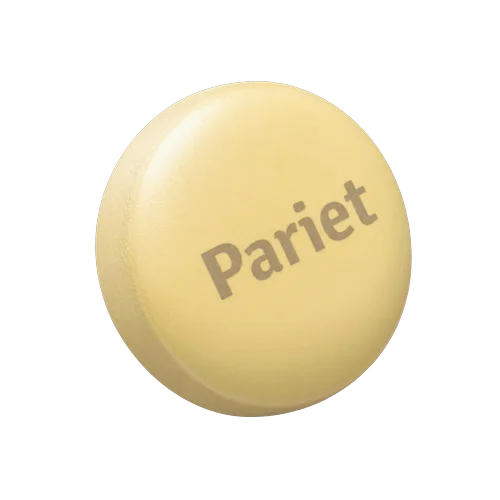
Pariet contains rabeprazole sodium, a proton pump inhibitor supplied as an oral tablet. The 20 mg tablet presentation is designed for delayed release, so rabeprazole reaches the intestine before the tablet’s active contents are absorbed. This formulation protects the active ingredient from early breakdown in stomach acid. Rabeprazole acts on acid-producing parietal cells in the stomach. It is prescribed when reducing gastric acid can help relieve symptoms, heal damaged mucosa, or support treatment of an ulcer-related infection.

The tablet should be swallowed whole. Its release system is part of the medicine’s function.

A tablet that is split, crushed, or chewed may release rabeprazole at the wrong point in the digestive tract. Treat the tablet as a delayed-release dosage form rather than an ordinary tablet.

Mechanism of action

Rabeprazole is converted to an active form in the acidic environment of gastric parietal cells. It then binds to the hydrogen-potassium adenosine triphosphatase enzyme, commonly called the gastric proton pump. This enzyme performs the final step in hydrochloric acid secretion.

Blocking the proton pump reduces both resting and stimulated acid production. Lower acidity gives inflamed or ulcerated tissue a better opportunity to heal. It also raises gastric pH, which can improve the activity of some antibiotics used against Helicobacter pylori.

Rabeprazole does not neutralise acid already present in the stomach. Instead, it suppresses new acid secretion. The clinical effect therefore develops through repeated inhibition of active proton pumps rather than through instant chemical neutralisation.

The FDA prescribing information describes rabeprazole as a substituted benzimidazole proton pump inhibitor. Acid suppression and delayed-release administration are central to its pharmacological action [1].

How to use it

The amount per intake is selected individually rather than being one fixed number for every person. Pariet is taken by mouth, and the prescribed schedule depends on the condition being treated.

Common administration principles include:

  • Swallow the tablet whole with water.
  • Do not crush, chew, or split the delayed-release tablet.
  • Take it at the time directed for the prescribed regimen.
  • If it is prescribed once daily, taking it at a consistent time can make missed doses less likely.
  • If a dose is missed, take it when remembered unless the next dose is near.
  • Do not double the next dose to compensate for a missed tablet.
  • During combination treatment for H. pylori, take the antibiotics and rabeprazole according to the same treatment plan.

Some treatment plans use Pariet before food, while others allow administration with or without food. Follow the timing prescribed for the specific diagnosis, especially when Pariet forms part of an eradication regimen.

A missed dose should not be “repaired” by taking two tablets together. Double dosing can increase the chance of headache, diarrhoea, nausea, or other adverse effects without restoring the intended treatment schedule.

Comparison

Pariet belongs to the proton pump inhibitor group. Other acid-control approaches act at a different stage or provide shorter symptom relief.

Treatment approach Main action
Rabeprazole Suppresses the gastric proton pump and reduces new acid secretion
H2-receptor antagonist Blocks histamine-driven acid stimulation, usually with shorter suppression
Antacid or alginate Neutralises or physically limits existing acid, with more immediate but shorter relief

Proton pump inhibitors are commonly selected when sustained acid suppression is needed for ulcer healing, reflux-related mucosal injury, or part of H. pylori treatment. H2-receptor antagonists may suit some intermittent symptoms, while antacids and alginates can provide short-term relief.

The trade-off is that proton pump inhibitors are not instant neutralisers. A person seeking immediate relief from a single episode of heartburn may experience a different time course from someone using rabeprazole for an ulcer-healing plan.

Common mistakes

Several practical errors can make Pariet seem less helpful or raise avoidable risks:

  • Taking it only when severe heartburn appears, despite a prescribed daily course
  • Crushing or chewing the tablet
  • Stopping antibiotic treatment early during H. pylori therapy
  • Doubling a dose after forgetting one
  • Adding over-the-counter painkillers that irritate the stomach
  • Assuming symptom relief proves that an ulcer has healed
  • Continuing long-term treatment without periodic review
  • Ignoring black stools, vomiting blood, or progressive swallowing difficulty
  • Taking a mineral supplement or iron product without reviewing timing and absorption
  • Using alcohol heavily during treatment for an active ulcer

One small timing issue can matter. If Pariet is prescribed as part of a multi-medicine regimen, changing the schedule of one component without changing the others may reduce adherence and make the course difficult to complete.

Another common mistake is confusing relief with cure. Acid reduction can ease burning while H. pylori remains present, so eradication treatment and any required confirmation test should be completed as directed.

Who should not use it

  • Previous allergy to rabeprazole, other proton pump inhibitors, or a tablet excipient
  • Previous serious reaction to a proton pump inhibitor
  • Severe liver disease
  • Pregnancy or breastfeeding
  • Long-term use alongside medicines that affect magnesium, vitamin B12, bone density, or intestinal infection risk
  • Use of medicines with absorption that depends strongly on stomach acidity

Rabeprazole can interact with medicines whose absorption changes when gastric pH rises. The treatment plan also requires review when a person uses warfarin, digoxin, high-dose methotrexate, tacrolimus, clopidogrel, or medicines metabolised through hepatic enzyme pathways.

Some HIV medicines require an acidic stomach environment and may not be suitable with proton pump inhibitors. Atazanavir and rilpivirine are examples that require specific medical review. Methotrexate toxicity is a concern with high-dose therapy, where temporary proton pump inhibitor interruption may be considered by the treating team.

When this is not for you

Pariet is not suitable for everyone. Pariet is not for you if you have had a serious reaction to rabeprazole or another proton pump inhibitor, unless a clinician advises otherwise.

Tell the prescriber about iron tablets, magnesium products, blood thinners, HIV treatment, transplant medicines, and cancer medicines. The interaction risk depends on the exact drug, dose, and treatment duration.

Unwanted effects

Common unwanted effects associated with rabeprazole include headache, diarrhoea, abdominal pain, nausea, vomiting, constipation, flatulence, and dry mouth. Most are mild and may improve as the digestive system adjusts.

Longer courses of acid suppression can affect nutrient absorption and mineral balance in some people. Clinicians may pay closer attention to magnesium, vitamin B12, iron status, and bone health when treatment is prolonged or when other risk factors are present.

Seek urgent medical attention for:

  • Swelling of the face, lips, tongue, or throat
  • Breathing difficulty or widespread blistering rash
  • Severe or persistent watery diarrhoea
  • Black stools or vomiting blood
  • Severe abdominal pain with repeated vomiting
  • Yellowing of the skin or eyes
  • New muscle spasms, tremor, palpitations, or marked weakness

A practical detail is easy to miss: persistent diarrhoea during acid-suppressing treatment should not automatically be dismissed as a harmless side effect. It may signal an intestinal infection and needs clinical assessment.

Headache can sometimes improve by maintaining regular fluids and sleep, while diarrhoea may be worsened by alcohol, very rich meals, or unnecessary laxatives. Do not take anti-diarrhoeal treatment for severe or bloody diarrhoea without medical direction.

What doctors say

In clinical practice, doctors usually separate three goals: symptom control, tissue healing, and treatment of an underlying cause. Rabeprazole can support all three in suitable patients, but the course length and timing differ.

A physician may investigate alarm symptoms before treating persistent indigestion as simple acid excess. Difficulty swallowing, unexplained weight loss, recurrent vomiting, anaemia, gastrointestinal bleeding, or new symptoms later in adulthood can require diagnostic testing rather than repeated self-treatment.

Doctors also review whether symptoms return soon after stopping. Recurrent symptoms may reflect reflux, an ulcer, H. pylori, medication-related irritation, or another gastrointestinal disorder. Repeated courses without reassessment can delay identification of the cause.

For longer treatment, clinicians may reassess whether the original indication remains active. Deprescribing is not an abrupt process for every patient; rebound acid hypersecretion can cause temporary symptoms after prolonged use. A planned reduction may be used when clinically appropriate.

MOHAP and international gastroenterology practice place medication review, diagnosis, and risk assessment alongside acid suppression. The best response is measured by symptom control, healing where relevant, and resolution of the underlying trigger.

What customers often ask

Can Pariet be taken with antibiotics or other medicines?

Pariet is often combined with antibiotics during H. pylori eradication treatment, and the combination should follow a defined regimen. The FDA rabeprazole prescribing information describes acid suppression as part of approved combination treatment, while medicines such as atazanavir, rilpivirine, high-dose methotrexate, warfarin, and digoxin require specific review. This interaction assessment remains relevant in 2026 clinical practice. Do not add or remove an antibiotic independently, because the balance of medicines determines whether eradication treatment works.

How long does one Pariet dose keep working?

A single dose can suppress gastric acid secretion for much longer than rabeprazole remains in the bloodstream. The medicine acts on proton pumps that are active during absorption, so acid suppression may extend through much of the day. The FDA pharmacology data (2022) describe rabeprazole as having a short plasma half-life but a longer functional effect on acid secretion. The exact duration varies with dose, meal timing, disease state, and individual physiology, so one tablet should not be repeated early for immediate symptom relief.

Which symptoms mean that Pariet should be stopped and assessed urgently?

Facial or throat swelling, breathing difficulty, blistering skin, vomiting blood, black stools, severe persistent abdominal pain, or profuse watery diarrhoea require urgent medical assessment. The MHRA product information (2019) treats severe hypersensitivity, gastrointestinal bleeding, and serious intestinal symptoms as events requiring prompt evaluation. These symptoms are not routine heartburn side effects. A person with new progressive difficulty swallowing, unexplained weight loss, or repeated vomiting also needs medical assessment rather than continued self-treatment.

Which diet, exercise, or habits help or hinder the result?

Smoking can impair ulcer healing and increase recurrence risk, while heavy alcohol intake can worsen gastric irritation and reflux symptoms. Large late meals, lying down soon after eating, and foods that reliably trigger an individual’s reflux can make symptom control harder. NICE dietary advice (2014) for reflux focuses on personal triggers, meal patterns, and weight-related factors rather than a single universal food list. Gentle physical activity supports general health, but vigorous exercise immediately after a large meal may aggravate reflux in some people.

Can the Pariet tablet be split, crushed, or chewed?

Pariet delayed-release tablets should be swallowed whole. Crushing or chewing can damage the release mechanism and expose rabeprazole to stomach acid before absorption. The FDA dosage instructions (2022) specify whole-tablet administration for the delayed-release form. If swallowing is difficult, the solution is a prescriber-approved alternative dosage form or treatment plan, not breaking the tablet into smaller pieces.

Can Pariet be used during pregnancy or breastfeeding?

Pregnancy and breastfeeding require an individual assessment of the indication, treatment duration, and available alternatives. Human pregnancy data for proton pump inhibitors do not show a clear pattern of major birth defects, yet medication selection still depends on the clinical need. The MHRA product information (2019) advises review of rabeprazole use during pregnancy and lactation, including whether the medicine’s benefits outweigh potential concerns. Breastfeeding decisions should account for the infant’s age, maternal dose, and whether another treatment is more suitable.

Do you offer anonymous delivery?

Your order will be securely packed and shipped within 24 hours. This is exactly what your package will look like (images of an actual item sent). It has the size and look of a regular private letter (24x11x0.7 cm) and its contents cannot be seen.

Comparison

Acid Reflux: all medicines side by side

Customer Feedback on Pariet

Based on 3 reviews

Imran, 35 Verified
Rating: 5 out of 5

The burning settled after several days, and meals became easier. I still had mild bloating during the first week, so I avoided heavy late dinners.

Al Khawaneej 14 days 22 Oct 2026
Hamza, 33 Verified
Rating: 3 out of 5

The treatment was manageable, but the antibiotic schedule was harder than the tablet itself. I missed one evening dose and had to get clear instructions rather than taking extra tablets.

Khalifa City 14 days 29 Oct 2026
Rajesh F., 44 Verified
Rating: 4 out of 5

Pain improved during the first part of the course, although I had a headache on some mornings. The main benefit was being able to eat without the same sharp discomfort.

Madinat Zayed 28 days 30 Sep 2026

Sources

  1. FDA (2022). ACIPHEX (rabeprazole sodium) delayed-release tablets: Prescribing Information.
  2. NICE (2014). Gastro-oesophageal reflux disease and dyspepsia in adults: diagnosis and management.
  3. Malfertheiner, P., et al. (2022). Management of Helicobacter pylori infection: the Maastricht VI/Florence consensus report.
Get our free app Shop faster and track your orders 3.4 · 316 reviews Install