The burning after dinner became less troublesome, especially when I stopped lying down straight after eating. I still had two bad nights after heavy meals, so the tablets were not a complete solution.
Madinat Zayed Several weeks 22 Oct 2026
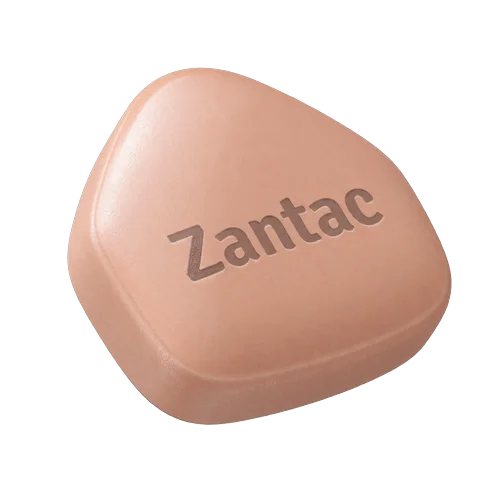
Zantac
Zantac tablets are used for heartburn prevention and relief in adults with acid-related upper gastrointestinal discomfort. They are intended to reduce symptoms such as burning behind the breastbone…
Zantac tablets are used for heartburn prevention and relief in adults with acid-related upper gastrointestinal discomfort. They are intended to reduce symptoms such as burning behind the breastbone and acid regurgitation.
Overview
Zantac is an oral tablet product intended for heartburn prevention and relief. Zantac belongs to the acid-related gastrointestinal treatment category. The product is supplied as pills for oral administration.
What it is used for
Heartburn often appears after a large meal, lying down soon after eating, bending forward, or consuming foods that trigger reflux. Zantac is intended to help control this acid-related discomfort rather than treat every possible cause of chest, abdominal, or throat pain.
Symptoms commonly associated with reflux include:
- Burning behind the breastbone
- Sour or bitter fluid rising into the throat
- Upper abdominal discomfort after eating
- Symptoms that worsen when lying down
- Night-time irritation linked with reflux
- Repeated throat clearing or a hoarse voice associated with acid exposure
A doctor may view occasional symptoms differently from heartburn occurring several days each week. Frequent symptoms can indicate gastro-oesophageal reflux disease, oesophagitis, ulcer disease, medication-related irritation, or another gastrointestinal condition. NICE guidance recommends assessing symptom frequency, alarm features, and the need for further investigation rather than relying on repeated self-treatment alone [2].
Heartburn prevention also depends on daily habits. Smaller evening meals, remaining upright after eating, reducing foods that clearly trigger symptoms, and managing excess abdominal pressure may reduce reflux episodes. Tobacco exposure and late-night meals can make symptoms harder to control.
Zantac should not be used to mask unexplained symptoms indefinitely. Difficulty swallowing, painful swallowing, vomiting blood, black stools, persistent vomiting, unexplained weight loss, anaemia, or progressive symptoms require medical evaluation.

Formulation
Zantac is an oral tablet product intended for heartburn prevention and relief. Its therapeutic role is connected with reducing the effect of stomach acid on the oesophagus and upper digestive tract. This can ease burning discomfort and may help reduce repeated acid-related symptoms.
Heartburn occurs when acidic stomach contents move upward into the oesophagus. The oesophageal lining is less protected against acid than the stomach lining, so repeated exposure can cause burning, sour-tasting regurgitation, throat irritation, or chest discomfort after meals.
Clinical guidance from the American College of Gastroenterology separates occasional heartburn from gastro-oesophageal reflux disease, which involves recurring symptoms or complications requiring a more structured treatment plan [1].
Pharmacological classification and active ingredients
Zantac belongs to the acid-related gastrointestinal treatment category. The product is supplied as pills for oral administration. Its intended clinical purpose is symptom control in heartburn and related upper digestive discomfort.
The active ingredient, strength, and maximum daily exposure are clinically significant. A doctor or dispensing pharmacist should match these details with kidney function, age, pregnancy status, current medicines, and the pattern of symptoms before treatment begins.
Mechanism of action
Its therapeutic role is connected with reducing the effect of stomach acid on the oesophagus and upper digestive tract. This can ease burning discomfort and may help reduce repeated acid-related symptoms.
How to use it
The dose is decided individually, taking age, other medicines, and health conditions into account. The correct schedule depends on the active ingredient and strength supplied in the Zantac tablets.
Use should follow the dose selected for the individual patient. The following principles support safer administration:
- Take the tablets by mouth with water.
- Use the prescribed frequency and do not exceed the selected daily limit.
- Do not take extra tablets because relief seems incomplete.
- Avoid doubling the next dose after a missed dose.
- Keep the timing consistent when regular treatment has been selected.
- Tell the doctor about all prescription medicines, non-prescription medicines, and supplements.
- Report persistent symptoms rather than extending treatment independently.
If a dose is missed, take it when remembered unless the next scheduled dose is close. In that situation, skip the missed dose and continue with the normal schedule. Taking two doses together can increase adverse effects without reliably improving reflux control.
Food timing depends on the active ingredient and the treatment goal. Some acid-related treatments are used before symptoms occur, while others are taken when symptoms appear. The selected Zantac regimen should therefore specify whether administration is linked to meals, bedtime, or symptom onset.
Tablets should be swallowed as supplied unless a doctor or pharmacist gives a specific alternative instruction. Crushing, chewing, or splitting a tablet can change how the medicine is released when the formulation is designed for controlled delivery.
Comparison
Heartburn treatments differ by speed, duration, and mechanism. A category comparison is more useful than comparing brand names.
Potential advantages are symptom relief, flexible use, and fewer night-time disruptions. Relief may be limited. Timing may vary. Interactions remain possible. These benefits do not remove the need to confirm the active ingredient, check other medicines, and seek assessment when symptoms are frequent or accompanied by alarm features.
| Approach | Main role | Practical limitation |
|---|---|---|
| Zantac tablets | Acid-related heartburn prevention and relief | The precise dose and timing depend on the active ingredient and patient factors |
| Antacid products | Rapid neutralisation of acid already present | Relief may be shorter and interactions can occur with other oral medicines |
| Alginate-based treatment | Forms a floating barrier that can reduce reflux after meals | It may be less suitable when symptoms are persistent or complicated |
Antacids may help occasional symptoms quickly, while acid-reducing treatment can be selected when acid production contributes to repeated symptoms. Alginate products focus on the movement of stomach contents back into the oesophagus. A clinician may choose one approach or combine strategies according to symptom pattern, medical history, and other treatment.
Zantac is not a substitute for investigation when reflux is frequent, severe, or accompanied by alarm symptoms. Repeated need for symptom treatment can signal a condition requiring a longer-term plan.
Common mistakes
Several habits can make treatment appear ineffective:
- Taking doses at random times without following the selected schedule
- Repeating a dose too soon when symptoms persist
- Using tablets for unexplained chest pain
- Continuing self-treatment despite swallowing difficulty or bleeding
- Lying flat immediately after a large meal
- Ignoring medicines that may trigger or worsen reflux
- Assuming every tablet with the Zantac name has the same active ingredient
- Crushing or chewing tablets without confirming that the formulation allows it
- Stopping a longer treatment plan suddenly without discussing the reason
- Treating night-time symptoms while continuing late meals and alcohol
A frequent mistake is judging treatment after one isolated dose. Heartburn may be triggered by meal size, body position, alcohol, or delayed stomach emptying, so symptom control can depend on more than one factor.
Who should not use it
- Known allergy to Zantac or any ingredient in the tablets
- Previous serious reaction to an acid-related gastrointestinal medicine
- Severe kidney impairment unless the regimen has been individually assessed
- Unexplained recurrent chest pain
- Difficulty swallowing or painful swallowing
- Vomiting blood or passing black stools
- Unexplained weight loss or persistent vomiting
- Pregnancy or breastfeeding without an individual medical assessment
- Use of multiple medicines with interaction potential
- Symptoms that continue despite treatment
When this is not for you
Zantac is NOT for you if you have a serious allergy or alarm symptoms; other conditions require individual review.
People with kidney disease should provide their kidney history before starting treatment because some acid-reducing medicines leave the body through the kidneys. Older adults may also require closer assessment when confusion, dizziness, or weakness develops.
Alcohol can worsen reflux by relaxing the lower oesophageal sphincter, irritating the stomach, or encouraging late meals and lying down soon afterward. Alcohol may also make dizziness or impaired concentration more noticeable when combined with a medicine that causes those effects.
The doctor should review medicines for heart rhythm, seizure control, anticoagulation, kidney disease, and gastrointestinal conditions. The exact interaction list depends on the active ingredient in the supplied tablets.
Unwanted effects
The precise adverse-effect profile depends on the active ingredient and strength. Digestive medicines may cause headache, nausea, abdominal discomfort, constipation, diarrhoea, or dizziness in some users. Mild symptoms often improve after the body adjusts, though persistent or worsening effects require medical review.
Possible problems that deserve prompt attention include:
- Facial swelling, lip swelling, tongue swelling, or breathing difficulty
- Widespread rash, blistering, or peeling skin
- Fainting or marked weakness
- Confusion or unusual drowsiness
- Severe abdominal pain
- Persistent vomiting
- Black stools or blood in vomit
- New chest pain or breathlessness
Older adults and people with reduced kidney or liver function may be more sensitive to some gastrointestinal medicines. The dose may need individual adjustment. Multiple medicines can also increase the chance of interactions, especially when one treatment changes stomach acidity or kidney clearance.
One detail patients often miss is that persistent throat symptoms are not always simple heartburn. Hoarseness, chronic cough, or a sensation of food sticking can occur with reflux, but they can also have other causes.
Another practical issue is symptom rebound after frequent unsupervised use of some acid-suppressing treatments. Stopping may reveal the underlying condition rather than indicate that the medicine has caused a new disease.
What doctors say
In clinical practice, doctors usually focus on three points: symptom pattern, alarm features, and treatment duration. A short episode after an unusually heavy meal is managed differently from heartburn occurring most days or waking a person repeatedly at night.
A physician would also ask whether the symptoms truly feel like reflux. Chest pressure, exertional discomfort, breathlessness, fainting, or pain spreading to the shoulder or jaw can indicate a cardiovascular emergency. Burning alone does not prove that the cause is stomach acid.
The strongest treatment response usually comes when medicine is paired with practical changes. Patients often improve after moving the evening meal earlier, reducing portion size, and staying upright after eating. These changes do not replace treatment when oesophageal inflammation or another diagnosis is present.
NIDDK guidance describes reflux management as a combination of symptom assessment, lifestyle measures, and medicines selected according to severity and response [3].
What customers often ask
How should Zantac tablets be stored at home and while travelling?
Keep the tablets dry, protected from excessive heat, and inaccessible to children. Avoid leaving them in a hot vehicle, a humid bathroom, or direct sunlight during travel. The World Health Organization’s 2023 good storage practice principles support protecting medicines from heat, moisture, contamination, and unauthorised access. Use a clearly identified medicine container during travel so the treatment is not mixed with other tablets.
What happens after stopping Zantac, and is tapering needed?
Stopping may allow the original heartburn symptoms to return if the underlying reflux trigger remains. Whether tapering is needed depends on the active ingredient, treatment duration, symptom severity, and the reason for use. NICE guidance from 2014 supports reviewing long-term acid-related treatment rather than stopping or extending it automatically. A doctor can decide whether a gradual reduction, intermittent schedule, or alternative plan is appropriate.
What should be discussed with a doctor before starting Zantac?
Mention kidney or liver disease, pregnancy, breastfeeding, allergies, swallowing difficulty, bleeding, unexplained weight loss, and all current medicines. The doctor also needs to know how often symptoms occur and whether they wake you at night. The American College of Gastroenterology guideline published in 2022 treats alarm symptoms and persistent reflux as reasons for a more careful assessment. This information helps determine whether self-treatment is appropriate.
Can alcohol be used while taking Zantac?
Alcohol can aggravate heartburn by encouraging reflux and irritating the upper digestive tract. It may also increase dizziness or reduced alertness if those effects occur with the tablets. NIDDK guidance published in 2020 lists alcohol among lifestyle factors that can worsen reflux in some people. Avoiding alcohol during a symptom flare makes it easier to judge whether the treatment is helping.
Can Zantac be taken with food or on an empty stomach?
The correct relationship with meals depends on the active ingredient, strength, and intended treatment schedule. Some regimens are timed before a meal, while others are used when symptoms occur or at bedtime. NICE guidance from 2014 supports matching treatment timing to the medicine and the patient’s symptom pattern. Follow the individually selected schedule rather than changing meal timing or taking extra tablets to compensate for discomfort.
Can Zantac affect driving, concentration, or work with machinery?
Dizziness, headache, drowsiness, or confusion can impair driving and machinery work in susceptible people. Avoid these activities until the personal response to the tablets is clear. The European Medicines Agency’s 2018 pharmacovigilance principles treat impaired alertness as a practical safety concern when medicines may affect the central nervous system. Seek medical advice if confusion or marked drowsiness develops.
Which condition rules out Zantac?
A known serious allergy to Zantac or any ingredient in the tablets rules out use. Unexplained chest pain, vomiting blood, black stools, progressive difficulty swallowing, or severe unintentional weight loss also requires medical assessment instead of self-treatment. The American College of Gastroenterology guideline published in 2022 identifies alarm features as reasons for evaluation of possible gastro-oesophageal disease. These symptoms should not be managed by repeatedly increasing the dose.
Do you offer anonymous delivery?
Your order will be securely packed and shipped within 24 hours. This is exactly what your package will look like (images of an actual item sent). It has the size and look of a regular private letter (24x11x0.7 cm) and its contents cannot be seen.
Comparison
Acid Reflux: all medicines side by sideHow should Zantac tablets be stored at home and while travelling?
Keep the tablets dry, protected from excessive heat, and inaccessible to children. Avoid leaving them in a hot vehicle, a humid bathroom, or direct sunlight during travel. The World Health Organization’s 2023 good storage practice principles support protecting medicines from heat, moisture, contamination, and unauthorised access. Use a clearly identified medicine container during travel so the treatment is not mixed with other tablets.
Sources
- American College of Gastroenterology (2022). ACG Clinical Guideline for the Diagnosis and Management of Gastroesophageal Reflux Disease.
- National Institute for Health and Care Excellence (2014). Gastro-oesophageal reflux disease and dyspepsia in adults: investigation and management.
- National Institute of Diabetes and Digestive and Kidney Diseases (2020). Treatment for Gastroesophageal Reflux Disease.