used the tablets as directed for three weeks: “I took Purim with water after breakfast and also reduced takeaway meals. My digestion felt lighter during the second week. I did not notice a dramatic change, and I stopped when mild loose stools continued for several days.”
Ruwais Three weeks 17 Oct 2026
Purim
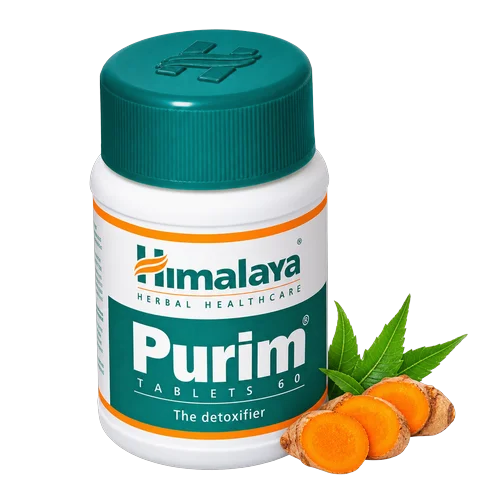
Purim is an oral tablet supplement from Himalaya Herbal Healthcare, supplied as a bottle of 60 tablets. The word “detoxifier” describes the product’s intended wellness role.
Overview
It is intended to support the body’s natural detoxification processes and is used by adults as part of a balanced wellness routine. Purim is taken orally.
What it is used for
Purim is designed for people seeking herbal support within a broader health routine. A supplement cannot replace treatment for jaundice, persistent abdominal pain, unexplained weight loss, dark urine, pale stools, severe fatigue, or abnormal liver tests.
The practical value of a detoxification supplement depends on the wider routine around it. Regular meals, adequate fluid intake, moderate physical activity, sufficient sleep, and limited alcohol place less strain on the body than a cycle of restrictive eating followed by heavy meals.
The human body does not need repeated fasting or extreme cleansing plans to perform normal elimination. WHO describes traditional and complementary products as approaches that require attention to quality, safety, and appropriate use [1]. That principle applies to herbal supplements used alongside ordinary healthcare.
Purim may fit an adult wellness plan when the user has realistic expectations. It should be viewed as supportive care rather than a treatment for a diagnosed disease.
Formulation
The word “detoxifier” describes the product’s intended wellness role. It does not establish that the tablets treat liver disease, kidney disease, poisoning, or another diagnosed medical condition. The liver, kidneys, lungs, skin, and gastrointestinal tract already perform the body’s main elimination functions, while an herbal supplement may be used to support general wellbeing.
Purim is taken orally. The regimen for the chosen product should be confirmed with a healthcare professional before starting, especially when regular medicines, pregnancy, breastfeeding, or chronic disease are involved.
Mechanism of action
Purim is an oral tablet supplement intended to support the body’s natural detoxification processes. Adults use it as part of a balanced wellness routine, following a regimen confirmed with a healthcare professional for the selected strength.
How to use it
Purim is taken by mouth as tablets. The appropriate regimen for the chosen strength must be confirmed with a healthcare professional before starting. A personalised plan is needed when the user takes medicines, has a chronic illness, or has previously reacted to an herbal product.
A sensible routine includes:
- Taking the tablets only by the oral route.
- Using the agreed regimen consistently.
- Taking the tablets with water.
- Avoiding extra tablets after a missed dose unless specifically instructed.
- Recording the starting date and any symptoms.
- Pausing the product and seeking medical assessment if a significant reaction develops.
The product should not be used as an emergency response to suspected poisoning, an overdose, severe alcohol-related illness, or sudden liver symptoms. Those situations require urgent medical evaluation.
If a dose is missed, do not automatically double the next dose. The safest response depends on the intended regimen and the time remaining before the next scheduled intake, so the healthcare professional who confirmed the regimen should provide the missed-dose plan.
Comparison
| Approach | Main role | Main limitation |
|---|---|---|
| Herbal detoxification supplement | Supports a general wellness routine | Does not diagnose or treat liver or kidney disease |
| Balanced diet and hydration | Provides daily nutritional and fluid support | Benefits depend on consistent habits |
| Medical assessment | Identifies disease, medication effects, or abnormal tests | Requires clinical evaluation and, when needed, laboratory testing |
Diet and hydration provide the foundation for normal physiological function. Purim may be added to that routine when its use is appropriate for the individual.
A medical assessment takes priority when symptoms suggest a condition rather than a general wellness concern. No supplement should delay investigation of abnormal liver enzymes, persistent vomiting, swelling, confusion, or yellowing of the skin or eyes.
Common mistakes
Several practical errors can make herbal supplement use less predictable:
- Starting Purim while taking several other supplements.
- Treating increased bowel movements as proof that the product is working.
- Taking extra tablets after missing an intake.
- Continuing the product despite rash, breathing difficulty, or severe abdominal pain.
- Using it during pregnancy without a specific medical review.
- Giving the tablets to a child because the product is described as natural.
- Combining the tablets with heavy alcohol use.
- Failing to mention the supplement before surgery or a new prescription.
- Using a detox supplement instead of investigating abnormal liver or kidney symptoms.
One commonly missed detail is the effect of dehydration. In hot weather, diarrhoea, vomiting, intense exercise, or low fluid intake can create a problem that is more urgent than the original wellness goal.
Another is timing. If several new products are started on the same day, identifying the cause of a rash or stomach reaction becomes difficult. Introducing only one new supplement at a time creates a clearer record.
Who should not use it
- Known allergy to any ingredient in the formulation.
- Pregnancy or breastfeeding.
- Known liver disease, kidney disease, gallbladder disease, or recurrent digestive obstruction.
- A history of severe reaction to herbal supplements.
- Unexplained jaundice, persistent vomiting, or severe abdominal pain.
- Use of medicines with a narrow therapeutic range.
- Planned surgery or a procedure requiring changes to medicines.
- Use by a child or adolescent under 18 without a clinician’s direction.
Herbal products can affect medicine absorption, metabolism, blood pressure, blood glucose, sedation, or bleeding tendency. Extra caution is needed with anticoagulants, antiplatelet medicines, diabetes treatments, blood-pressure medicines, sedatives, seizure medicines, immunosuppressants, and medicines processed extensively by the liver.
Pregnancy deserves separate attention. “Natural” does not mean suitable during pregnancy, because botanical compounds can have pharmacological effects and pregnancy safety data may be limited. The same caution applies to breastfeeding.
When this is not for you
Purim is not for you if you are pregnant, breastfeeding, under 18, have liver, kidney, gallbladder, or digestive disease, or take medicines that may interact with herbal products. Do not start it without individual medical advice if you have an allergy to an ingredient, have had a severe reaction to an herbal supplement, have unexplained jaundice, persistent vomiting, or severe abdominal pain, or are planning surgery. It is also not suitable for emergency treatment of poisoning, overdose, severe alcohol-related illness, or sudden liver symptoms.
Unwanted effects
Herbal tablets may cause unwanted effects even when they are intended for general wellness. Possible problems include stomach discomfort, nausea, loose stools, constipation, headache, dizziness, or an allergic reaction. The likelihood depends on the individual ingredients, the user’s sensitivity, and interactions with other products.
Stop using Purim and obtain prompt medical advice if swelling of the lips or face, breathing difficulty, widespread rash, fainting, severe vomiting, or intense abdominal pain occurs. Yellow skin or eyes, very dark urine, or unusually pale stools also require medical assessment rather than continued self-treatment.
Digestive symptoms can be easy to misread. A mild change in bowel habit may occur after an herbal product, while repeated diarrhoea can cause dehydration and electrolyte imbalance. Persistent symptoms need assessment.
Some people also assume that a “detox” product should cause frequent bowel movements or increased urination. That is not a reliable measure of benefit and may signal intolerance or fluid loss.
What doctors say
In clinical practice, a doctor usually begins by separating a wellness goal from a symptom that needs diagnosis. A person seeking support after dietary excess may have a different clinical situation from someone with fatigue, itching, jaundice, or abnormal liver blood tests.
A physician would also review every medicine and supplement taken during the same period. The NHS advises that herbal medicines can interact with conventional medicines and may not be suitable for people with certain health conditions [2]. This review is more useful than judging a product by the word “herbal” alone. It also helps identify when testing or referral is needed.
Doctors tend to look for measurable outcomes. These may include better adherence to healthy eating, reduced alcohol intake, improved hydration, or resolution of a minor digestive complaint. A supplement should not be credited for changes caused by several lifestyle adjustments at the same time.
Purim may be reasonable for an adult wellness plan when the person has no relevant contraindication and understands its limits. It becomes a poor choice when it is used to postpone medical investigation or to justify an extreme diet.
What customers often ask
Can Purim be combined with medicines or other supplements?
Purim should be reviewed before use with anticoagulants, diabetes medicines, blood-pressure treatment, sedatives, seizure medicines, and other herbal products. NHS guidance published in 2023 explains that herbal medicines can interact with prescribed treatment and may be unsuitable in some medical conditions . A clinician should assess the complete list, including vitamins, sports products, laxatives, and occasional pain medicines. Avoid starting several new supplements at the same time.
Can people under 18 use Purim?
Purim should not be given to anyone under 18 unless a clinician has specifically recommended it. Paediatric use requires attention to body size, development, allergies, existing illness, and the evidence for each botanical ingredient. WHO guidance published in 2019 places safe, appropriate use at the centre of traditional and complementary healthcare . Parents should seek a child-specific recommendation rather than adapting an adult regimen.
Which diet, exercise, or habits can support or hinder the result?
Regular meals, adequate hydration, moderate activity, and limited alcohol create a more suitable setting for a general wellness supplement. Extreme fasting, heavy alcohol intake, dehydration, and combining several laxative or cleansing products can worsen digestive symptoms and fluid imbalance. WHO’s traditional medicine framework from 2019 supports responsible integration of complementary approaches with ordinary health practices . Purim should not be used to justify restrictive eating or excessive exercise.
What should be discussed with a doctor before starting Purim?
Discuss pregnancy or breastfeeding, allergies, liver or kidney disease, gallbladder problems, planned surgery, and every medicine or supplement currently used. Mention unexplained jaundice, dark urine, pale stools, persistent vomiting, severe abdominal pain, or abnormal liver tests before considering a detoxification supplement. EMA guidance on herbal medicinal products (2017) describes the need to evaluate quality, safety, and appropriate use when botanical products are considered [3]. The regimen for the chosen strength should be confirmed before the first intake.
How long does a Purim course last, and is long-term use acceptable?
The duration should be set for the individual after reviewing the intended goal, medical history, and accompanying medicines. Long-term use should not be assumed to be suitable simply because the product is herbal. EMA’s guideline on herbal medicinal products (2017) addresses the need for evidence-based quality and safety assessment rather than automatic acceptance of prolonged use. Reassess the plan if symptoms appear, the intended wellness goal is not met, or other treatment changes.
Which symptoms mean stopping Purim and seeking urgent medical help?
Stop the tablets and seek urgent medical care for breathing difficulty, facial or tongue swelling, fainting, severe widespread rash, severe abdominal pain, repeated vomiting, confusion, or signs of dehydration. Yellowing of the skin or eyes, dark urine, and pale stools also require prompt assessment. NCCIH information on complementary health products, published in 2020, advises attention to adverse reactions and the need to obtain medical help when symptoms are serious [4]. Do not take another dose while waiting for assessment unless a clinician specifically instructs you to do so.
Do you offer anonymous delivery?
Your order will be securely packed and shipped within 24 hours. This is exactly what your package will look like (images of an actual item sent). It has the size and look of a regular private letter (24x11x0.7 cm) and its contents cannot be seen.
Comparison
Colchicine
Purim Current
Everyday habits that support the intended use
- Eat regular meals containing vegetables, fruit, protein, and fibre.
- Drink enough fluid to avoid dehydration, especially in the UAE heat.
- Keep alcohol intake low or avoid it.
- Use gentle, consistent exercise rather than sudden intense training.
- Avoid combining several detox, laxative, or diuretic products.
- Record any new symptoms after starting the tablets.
- Maintain normal medical appointments when liver, kidney, or digestive symptoms already exist.
Sources
- World Health Organization (2019). WHO Global Report on Traditional and Complementary Medicine 2019.
- NHS (2023). Herbal medicines.
- European Medicines Agency (2017). Guideline on quality of herbal medicinal products/traditional herbal medicinal products.
- National Center for Complementary and Integrative Health (2020). Safe Use of Complementary Health Products and Practices.