Skip to content
Fast & Discrete Delivery Save up to 80%
In stock Albendazole
Antiparasitics

Albendazole

Taken by mouth as a tablet, Albendazole is used against several intestinal and tissue-dwelling worm infections. It is prescribed for adults and children when the infection and dose are clinically…

Guaranteed quality Original product
Delivery: from 4 days Discreet shipping
24/7 Support Always available
Active ingredient: Albendazole
Select pack Package Per unit Price
AED 4.91 AED 441.78
AED 4.38 AED 589.04 AED 525.36 Save 11%
AED 3.85 AED 883.56 AED 692.52 Save 22%
Free Regular Delivery AED 3.46 AED 1,325.34 AED 935.30 Save 29%
Best value Free Regular Delivery AED 3.23 AED 1,767.12 AED 1,162.16 Save 34%

Free delivery on orders from AED 796.00, free express delivery from AED 1,194.00

Secure payment methods:
VISA AMEX JCB DISCOVER

Taken by mouth as a tablet, Albendazole is used against several intestinal and tissue-dwelling worm infections. It is prescribed for adults and children when the infection and dose are clinically appropriate. The medicine disrupts parasite microtubules, reducing energy uptake and leading to elimination of susceptible helminths.

Overview

Albendazole is a synthetic broad-spectrum antiparasitic medicine in the benzimidazole anthelmintic class. Its tablet contains albendazole as the active ingredient. Dosing differs between strengths and between users, so no single amount suits everyone. The medicine is used for infections caused by nematodes and, in specialist treatment plans, certain larval parasites affecting tissues.

What it is used for

Spectrum of Activity and Targeted Parasitic Conditions

Albendazole covers several helminthic infections, but the correct treatment depends on diagnostic findings, symptoms, age, body weight, and the site of infection.

Parasite or condition Clinical description Albendazole role
Ascaris lumbricoides Roundworm infection in the intestine Short-course treatment may be prescribed
Enterobius vermicularis Pinworm or threadworm infection Treatment often includes attention to reinfection
Hookworm and whipworm Intestinal nematode infections Regimen depends on the confirmed parasite
Hydatid disease Larval Echinococcus infection in tissues Prolonged specialist treatment
Neurocysticercosis Larval Taenia solium infection involving the nervous system Specialist treatment with monitoring

Roundworm infections can cause abdominal discomfort, altered bowel habits, or no symptoms at all. Heavy hookworm infection may contribute to iron-deficiency anaemia through intestinal blood loss. Whipworm infection can produce diarrhoea, abdominal pain, or growth problems when the parasite burden is high.

Pinworm deserves a practical distinction. Symptoms may recur because eggs remain on hands, bedding, clothing, or household surfaces, so reinfection can occur after an otherwise suitable dose. Household management and treatment decisions depend on the clinical situation.

Hydatid disease and neurocysticercosis are different from uncomplicated intestinal infestations. They may involve the liver, lungs, brain, or other tissues, and treatment can require imaging, corticosteroids, anticonvulsant management, or laboratory follow-up.

The WHO identifies albendazole as an important anthelmintic for soil-transmitted helminth control and essential treatment access [2].

Formulation

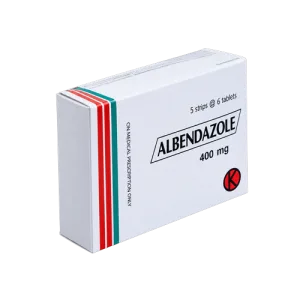
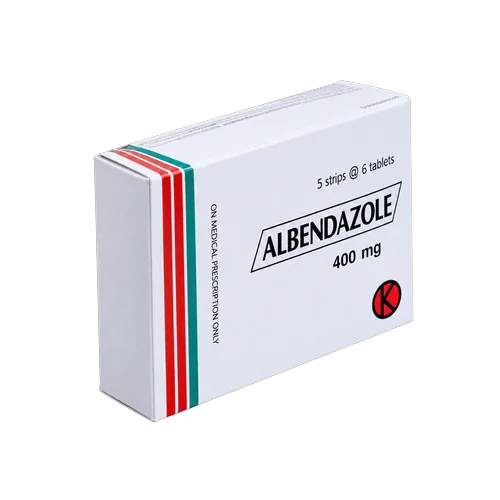
The product is identified on the pack as ALBENDAZOLE. Further composition details are not available in the provided product information.

Mechanism of action

Mechanism of Action and Cellular Inhibition

Albendazole binds to beta-tubulin in susceptible parasite cells. This prevents normal microtubule formation, a process parasites need for cell structure, nutrient transport, movement, and reproduction. Human cells are less affected at therapeutic exposure because the drug has greater activity against parasite tubulin.

When microtubules fail, the parasite absorbs less glucose from its environment. Glycogen stores become depleted, energy production falls, and the organism gradually loses its ability to survive. The parasite is then cleared through normal gastrointestinal or tissue processes, depending on the infection.

The mechanism explains why albendazole can act against several related worms while still requiring different schedules for different infections. Intestinal worms may respond to a short regimen, while larvae in tissue can require repeated courses with liver and blood monitoring. The FDA prescribing information describes this distinction in its treatment instructions and safety warnings [1].

How to use it

Clinical Dosage Guidelines and Administration Protocols

Albendazole dosing differs between strengths and between users, so no single amount is suitable for everyone. The tablet is taken orally, and the prescribed schedule depends on the infection being treated.

Typical clinical patterns include:

  • A single oral dose may be used for selected intestinal worm infections.
  • Pinworm treatment may require a repeat dose after an interval because reinfection is common.
  • Whipworm or other infections may require treatment over several consecutive days.
  • Hydatid disease and neurocysticercosis require specialist regimens that may involve extended treatment or repeated treatment cycles.
  • Children need age- and weight-appropriate instructions; adult dosing should not be transferred automatically to a child.
  • Treatment for tissue parasites may be taken with food, often including dietary fat, to improve systemic absorption.

Swallow the tablet with water unless the prescriber gives different instructions. Chewing or crushing should follow the specific product instructions because tablet handling can vary between formulations.

A missed dose should be taken when remembered if the next scheduled dose is not close. Two doses should not be taken together to compensate. For a multi-day regimen, the prescriber or dispensing pharmacist should determine how to restore the schedule when several doses have been missed.

The UAE Ministry of Health and Prevention, or MOHAP, applies medicine-safety standards relevant to prescribing and dispensing in the country. Treatment should match the documented infection rather than symptoms alone.

If albendazole is prescribed for a tissue infection, mention every medicine and supplement being used before treatment begins. The interaction and monitoring requirements are different from those for a one-dose intestinal regimen.

Comparison

Comparative Overview of Anthelmintic Pharmacotherapy

Albendazole, mebendazole, and ivermectin are all anthelmintic medicines, but their coverage and pharmacology differ. The choice depends on the parasite, infection site, age, pregnancy status, interactions, and local clinical guidance.

Treatment approach Main pharmacological distinction Typical clinical use
Albendazole Benzimidazole; inhibits parasite beta-tubulin and microtubules Broad intestinal coverage and selected tissue infections
Mebendazole Benzimidazole with mainly intestinal activity Several common intestinal nematode infections
Ivermectin Activates parasite chloride channels, causing neuromuscular paralysis Selected nematode infections and other specialist indications

Albendazole and mebendazole share a benzimidazole mechanism, yet their licensed indications and dosing schedules are not interchangeable. Albendazole has an established role in some tissue infections, where prolonged treatment and systemic exposure matter.

Ivermectin acts through a different pathway and is selected for particular parasites rather than as a universal substitute. It also has its own interaction and neurological precautions.

The best choice is based on confirmed or strongly suspected parasitic disease. Switching between anthelmintics without identifying the infection can lead to incomplete treatment or unnecessary exposure.

Common mistakes

Common Patient Mistakes with Albendazole

Several practical errors can reduce treatment success or increase avoidable risk:

  • Repeating a dose because symptoms have not disappeared immediately.
  • Using an adult schedule for a child without weight-based instructions.
  • Treating every abdominal symptom as a worm infection.
  • Forgetting that pinworm can recur through household reinfection.
  • Taking a prolonged course without planned liver-function monitoring.
  • Crushing or chewing the tablet without confirming that this is suitable for the formulation.
  • Combining treatment with other medicines without checking for interactions.
  • Stopping a specialist course early because symptoms improve.
  • Assuming that a dose for intestinal worms also treats hydatid disease or neurocysticercosis.
  • Ignoring dizziness before driving or operating machinery.
For suspected pinworm, wash hands after using the bathroom and before eating, keep fingernails short, and wash sleepwear and bedding regularly. These steps address reinfection pressure rather than replacing medicine.

One small detail matters with longer treatment: keep scheduled blood tests even if appetite and abdominal symptoms improve. Liver injury can develop before a person feels seriously unwell.

Who should not use it

Contraindications and Clinically Important Interactions

Albendazole is not suitable for everyone. This medicine is not for you if you have had a serious allergic reaction to albendazole, another benzimidazole anthelmintic, or an excipient in the formulation.

Extra caution or specialist assessment is needed in the following situations:

  • Pregnancy, especially early pregnancy.
  • Breastfeeding during prolonged or high-dose treatment.
  • Liver disease or previously abnormal liver enzymes.
  • A planned prolonged course for hydatid disease or neurocysticercosis.
  • Significant blood-count abnormalities.
  • Treatment with medicines that may affect liver function or blood-cell production.
  • A child whose age or weight makes the intended regimen unsuitable.

Before treatment, disclose medicines used for seizures, tuberculosis, HIV, cancer, transplant care, or other chronic diseases. Some combinations may alter hepatic metabolism or increase monitoring needs. Herbal products and high-dose supplements should also be disclosed because “natural” does not guarantee freedom from interactions.

Urgent help is needed for breathing difficulty, facial swelling, extensive rash, jaundice, severe weakness, unusual bleeding, or neurological deterioration.

Unwanted effects

Safety Profile, Adverse Reactions, and Tolerability

Short courses are often tolerated without serious problems, though adverse effects can occur. Common reactions include abdominal discomfort, nausea, vomiting, headache, dizziness, and diarrhoea. These symptoms are usually temporary, but persistent or severe symptoms need clinical review.

Liver enzyme elevation is more relevant during prolonged or repeated courses. People receiving treatment for hydatid disease or neurocysticercosis may require liver-function tests and blood counts before and during therapy. Fever, unusual bruising, marked weakness, yellowing of the skin, dark urine, or severe abdominal pain warrants prompt medical attention.

Allergic reactions are uncommon but can include rash, swelling, wheezing, or difficulty breathing. Such symptoms require urgent medical care. Neurological symptoms during treatment for neurocysticercosis can also reflect inflammation around dying larvae, so specialist supervision is essential.

Albendazole may cause dizziness in some people. Until individual response is clear, caution is sensible with driving, heights, or machinery.

The FDA prescribing information describes liver and blood abnormalities as clinically relevant safety considerations during prolonged albendazole treatment, while short intestinal regimens generally involve less systemic exposure.

What doctors say

Doctor Perspectives on Albendazole Treatment

In clinical practice, doctors usually begin by matching the medicine to the suspected parasite and the location of infection. A single tablet may be appropriate for one intestinal infection, while another condition needs laboratory tests, imaging, repeated doses, or specialist monitoring.

Treatment response is not judged by symptom relief alone. Persistent abdominal symptoms may reflect reinfection, an incorrect diagnosis, another gastrointestinal condition, or incomplete clearance. Stool testing, tape testing, blood work, or imaging may be used depending on the suspected infection.

A physician will also consider liver disease, pregnancy, breastfeeding, age, body weight, seizure history, and current medicines. Prolonged treatment deserves more monitoring than a brief intestinal course.

The WHO continues to place anthelmintic treatment within a wider programme of diagnosis, prevention, sanitation, and follow-up. Albendazole is useful, but its value depends on selecting the right regimen for the right parasite.

What customers often ask

Can the Albendazole tablet be split, crushed, or chewed?

The FDA prescribing information reviewed in 2023 gives oral tablet instructions, but handling depends on the specific formulation and the patient’s ability to swallow. Do not split, crush, or chew the tablet unless the prescriber or dispensing pharmacist has confirmed that this is appropriate. A child who cannot swallow tablets may need a different administration plan rather than an improvised method.

What happens after stopping Albendazole, and does it need tapering?

The WHO treatment guidance published in 2017 does not describe tapering for standard short courses of albendazole. A brief intestinal regimen is generally completed and then stopped according to its prescribed schedule. Prolonged treatment for hydatid disease or neurocysticercosis should not be shortened or restarted independently because follow-up testing and the underlying infection determine the next step.

Can Albendazole be combined with other medicines or supplements?

The FDA label revised in 2023 advises attention to medicines that may affect liver function or blood counts during albendazole treatment. Combining it with another antiparasitic, a high-dose herbal supplement, or a medicine for a chronic condition should be assessed before the first dose. The concern is greater during repeated or prolonged courses than after a single intestinal dose.

Can someone drive, concentrate, or operate machinery after taking Albendazole?

The FDA prescribing information from 2023 recognises dizziness and headache as possible adverse effects. Avoid driving or operating machinery if these symptoms occur, especially after the first dose. People who feel well may not experience a practical effect on concentration, but individual response should guide activity.

Is Albendazole suitable during pregnancy or breastfeeding?

WHO guidance from 2023 supports careful clinical assessment of anthelmintic treatment in pregnancy rather than routine self-treatment. Albendazole should be used during pregnancy only when the expected benefit justifies potential fetal risk. Breastfeeding decisions depend on treatment duration, dose, maternal disease, and the infant’s circumstances, so prolonged therapy requires a specific clinical plan.

How long does one Albendazole dose keep working?

The CDC clinical guidance updated in 2024 explains that treatment duration varies by parasite and regimen. A single dose may be sufficient for selected intestinal infections, while eggs, reinfection, or tissue larvae may require repeated treatment. The medicine does not provide permanent protection against a new exposure after the infection has cleared.

How soon does the effect of Albendazole become noticeable?

The FDA prescribing information from 2023 does not define one symptom-relief time for every infection. Abdominal discomfort or itching may improve over several days, while laboratory or imaging evidence of clearance can take longer. Persistent symptoms after treatment can reflect reinfection or another diagnosis and should not automatically lead to an extra dose.

Do you offer anonymous delivery?

Your order will be securely packed and shipped within 24 hours. This is exactly what your package will look like (images of an actual item sent). It has the size and look of a regular private letter (24x11x0.7 cm) and its contents cannot be seen.

Comparison

Antiparasitics: all medicines side by side

Customer Feedback on Albendazole

Based on 3 reviews

Adnan, 44 Verified
Rating: 4 out of 5

The stomach discomfort settled over the next few days, and I did not notice a major reaction. I expected everything to clear the same evening, so the slower improvement surprised me.

Al Qusais Single dose 26 Oct 2026
Waleed, 52 Verified
Rating: 3 out of 5

The treatment was more involved than I expected because I needed follow-up blood tests. I had mild nausea during the first days, but the monitoring helped me continue the course with clear instructions.

Jumeirah Prolonged specialist course 30 Sep 2026
Karim, 35 Verified
Rating: 3 out of 5

The first dose seemed to help, but symptoms returned later. The clinician explained that reinfection was possible and reviewed household hygiene instead of simply telling me to keep repeating tablets.

Ras Al Khaimah Single dose 13 Oct 2026

Sources

  1. U.S. Food and Drug Administration (2023). ALBENZA (albendazole) tablets, prescribing information.
  2. World Health Organization (2023). WHO Model List of Essential Medicines, 23rd list.
Get our free app Shop faster and track your orders 3.4 · 316 reviews Install