I took the tablets for a confirmed parasite infection. The stomach discomfort settled over the next few days, but I felt dizzy that evening and avoided driving. The treatment was not easy, especially because I felt dizzy that evening, and I needed to follow the scheduled dose instead of trying to adjust it myself.
Sharjah For the prescribed duration 27 Oct 2026
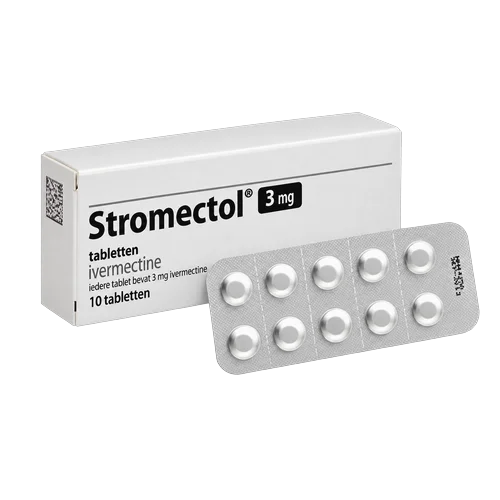
Stromectol
Ivermectin, the active ingredient of Stromectol, is an antiparasitic medicine for selected worm infections and some mite infestations. Stromectol tablets are used when a clinician has identified an…
Ivermectin, the active ingredient of Stromectol, is an antiparasitic medicine for selected worm infections and some mite infestations. Stromectol tablets are used when a clinician has identified an infection that responds to ivermectin. The medicine acts on parasite nerve and muscle channels, causing paralysis and clearance.
Overview
Stromectol is an antiparasitic medicine containing ivermectin, an agent in the avermectin class. It is supplied as tablets for selected worm infections and some mite infestations. How much to use and how often depends on the purpose of treatment and is agreed with a doctor or pharmacist.
What it is used for
For intestinal strongyloidiasis, treatment aims to remove Strongyloides stercoralis, a threadworm that can persist in the intestine. Infection may cause abdominal discomfort, diarrhoea, rash, cough, or no symptoms at all. People receiving corticosteroids or other immunosuppressive treatment can develop severe, disseminated disease if strongyloidiasis remains untreated.
For onchocerciasis, ivermectin reduces the number of microfilariae produced by adult worms. It does not immediately remove adult worms, so repeat treatment may be planned according to the infection, exposure history, symptoms, and follow-up testing.
Some clinicians use oral ivermectin for scabies under defined circumstances. Scabies treatment needs attention to close contacts, clothing, bedding, and possible reinfestation. Persistent itching after treatment does not always mean that live mites remain; inflammatory skin reactions can continue after the infestation has cleared.
Formulation
Stromectol contains ivermectin, an antiparasitic agent in the avermectin class. Each tablet contains ivermectin, and the product is supplied as tablets. How much to use and how often depends on the purpose of treatment and is agreed with a doctor or pharmacist. Ivermectin is used mainly for intestinal strongyloidiasis and onchocerciasis; oral ivermectin may also be selected in some clinical protocols for scabies when topical treatment is unsuitable or insufficient [1].
Stromectol is not a general treatment for unexplained itching, viral infections, or bacterial illness. The correct purpose of treatment must be established before use.
Mechanism of action
The medicine binds to glutamate-gated chloride channels found in many invertebrate nerve and muscle cells. This increases chloride flow, reduces electrical activity, and leaves the parasite unable to move or maintain vital functions. Human nerve cells do not normally expose these channels in the same way, which helps explain ivermectin’s selective antiparasitic action.
Ivermectin works primarily at parasite-specific chloride channels. The result is neuromuscular paralysis in susceptible worms, mites, or lice. It does not kill every parasite species, so the diagnosis matters as much as the tablet strength.
How to use it
The amount and frequency of Stromectol depend on the purpose of treatment and are agreed with a doctor or pharmacist. Ivermectin should not be dosed by tablet strength alone because body weight, parasite species, immune status, age, and treatment purpose can alter the regimen.
- Take the prescribed number of tablets by mouth with water.
- Use Stromectol only for the infection or infestation identified by the prescriber.
- Follow the scheduled treatment time and any planned repeat dose.
- Do not take extra tablets because symptoms have not improved quickly.
- Do not share tablets with household members or close contacts.
- If treatment is for scabies, follow the accompanying household and contact-management plan.
The number of tablets is calculated from the prescribed regimen, not guessed from the number in the box.
If a dose is missed, contact the prescriber or pharmacist for an exact schedule. Do not automatically double the next dose. The correct response depends on whether treatment is a single-dose regimen, a repeated course, or part of a wider parasite-control plan.
Food instructions can vary by indication and local prescribing guidance. Take the medicine exactly as directed for the diagnosed condition rather than applying advice from a different ivermectin regimen.
Comparison
The choice depends on the parasite, its location, pregnancy status, immune function, treatment history, and whether an oral or topical route is appropriate.
| Treatment approach | Main action and typical role | Practical limitation |
|---|---|---|
| Ivermectin tablets | Systemic antiparasitic action for selected worm infections and some mite infestations | Requires diagnosis, weight-based prescribing, and interaction review |
| Permethrin topical treatment | Direct action on mites and lice through skin application | Application technique and contact treatment are essential |
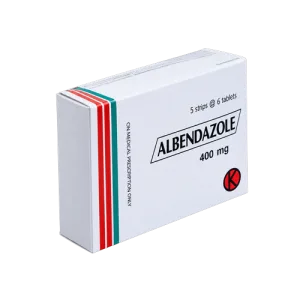
| Albendazole | Anthelmintic action against selected intestinal worms | Does not replace ivermectin for every parasite or indication |
Ivermectin has the advantage of systemic distribution, which can be useful when topical application is impractical or when the target parasite is located beyond the skin surface. Its limitation is the need for more careful prescribing in people with liver disease, neurological risk, pregnancy, or interacting treatment.
Permethrin may be preferred for some scabies cases because it is applied directly to the skin and has extensive clinical use. Treatment failure can occur when too little cream is used, important body areas are missed, or close contacts remain untreated. Albendazole may suit selected intestinal worm infections, but its mechanism and coverage differ from ivermectin.
Common mistakes
Several avoidable errors reduce the chance of a good result:
- Taking ivermectin for an undiagnosed rash or stomach symptom.
- Using a family member’s tablet count.
- Repeating a dose because itching or abdominal symptoms remain.
- Forgetting to mention warfarin or other long-term medicines.
- Treating one household member for scabies while close contacts remain untreated.
- Assuming every worm infection responds to the same antiparasitic.
- Driving after the first dose despite dizziness or drowsiness.
- Failing to attend follow-up testing when the infection requires confirmation of clearance.
Do not use ivermectin as a preventive treatment for an infection without a recognised indication. A treatment plan for one parasite cannot be transferred safely to another.
For scabies, washing or isolating recently used clothing, towels, and bedding may form part of the control plan. The medicine alone does not prevent reinfestation from untreated contacts.
Who should not use it
- Previous allergy to ivermectin or an excipient in the tablets.
- Suspected or known Loa loa infection, especially with a high microfilarial load.
- Significant liver disease or abnormal liver tests.
- Pregnancy, unless the expected benefit clearly justifies treatment.
- Breastfeeding, especially when treating an infant or a very young child.
- A history of severe neurological reactions after antiparasitic treatment.
- Frailty, low body weight, or a condition that increases fall risk.
- Concurrent medicines that may increase sedation, alter ivermectin exposure, or affect anticoagulation.
When this is not for you
Stromectol may not be right for you if your infection has not been confirmed, if you have had an allergy to ivermectin, or if you are pregnant or breastfeeding. Tell the prescriber if you have liver problems, neurological risks, possible exposure to Loa loa, low body weight, or a high risk of falls. You should also mention warfarin, sedatives, anticonvulsants, immune-suppressing medicines, and medicines that affect liver enzymes.
Unwanted effects
Common unwanted effects can include dizziness, nausea, diarrhoea, abdominal discomfort, fatigue, headache, and skin symptoms. In people treated for onchocerciasis, fever, itching, rash, muscle pain, swollen lymph nodes, low blood pressure, or eye symptoms may reflect an inflammatory reaction as microfilariae die rather than a simple tablet intolerance .
Most reactions are mild, yet neurological symptoms require more attention. Confusion, severe drowsiness, loss of coordination, tremor, seizures, or reduced consciousness need urgent medical assessment. Severe skin blistering, facial swelling, breathing difficulty, or widespread hives may indicate a serious allergic reaction.
Patients treated for strongyloidiasis can remain at risk if immunosuppression continues or if the infection is disseminated. New cough, shortness of breath, persistent abdominal pain, marked weakness, or confusion after treatment deserves prompt clinical review.
One detail patients often miss is that itching after scabies treatment can last after mites have been eliminated. New burrows, fresh pimple-like lesions, or symptoms affecting untreated contacts suggest a different problem from simple post-treatment itch.
Another practical point concerns dehydration. Diarrhoea or vomiting can make dizziness more pronounced, especially in older adults or people taking blood-pressure medicines.

What doctors say
In clinical practice, the first question is usually diagnostic: which parasite is being treated, and is ivermectin an appropriate option? A tablet can be taken correctly and still fail when the infection requires another medicine, a repeat regimen, household treatment, or testing after therapy.
Doctors also consider immune status. A person receiving high-dose corticosteroids, chemotherapy, or another immunosuppressive treatment may need assessment for strongyloidiasis before immunosuppression begins. A hidden infection can become severe when the immune response is reduced.
A further clinical point is follow-up. Strongyloidiasis may need laboratory confirmation of clearance, while onchocerciasis management can involve repeated treatment over time. Persistent symptoms should not automatically lead to another self-directed dose.
The FDA prescribing information describes ivermectin’s approved antiparasitic uses and warns about adverse neurological reactions and interactions . WHO guidance places ivermectin within broader parasite-control programmes, where diagnosis, population risk, and follow-up determine how it is used [2].
What customers often ask
Does Stromectol cause dizziness?
Dizziness is a recognised adverse effect of ivermectin and can occur with nausea, weakness, or headache. The FDA's 2022 prescribing information identifies neurological symptoms as a reason for caution, especially in people receiving treatment for infections with a high parasite burden . Avoid driving, operating machinery, or climbing until the reaction is clear. Severe confusion, loss of coordination, fainting, or reduced consciousness requires urgent assessment. Symptoms that persist or worsen also need prompt clinical review.
How long does a Stromectol course last, and is long-term use acceptable?
The course may consist of a single planned dose or repeated treatment, depending on the infection and the clinical objective. The WHO's 2003 parasite-control guidance supports repeated ivermectin programmes for selected diseases, while individual treatment still depends on diagnosis and follow-up . Long-term or repeated use should not be arranged independently because cumulative exposure, liver health, immune status, and the risk of reinfection need review. A new dose is not automatically appropriate when symptoms persist.
What should I do after a missed dose?
Do not double the next dose unless a prescriber specifically instructs you to do so. The correct action depends on whether Stromectol was prescribed as a single treatment, a repeated course, or part of a contact-control plan. The CDC's 2024 clinical guidance for strongyloidiasis emphasises indication-specific management and follow-up rather than a universal missed-dose rule [3]. Contact the prescribing service or pharmacist promptly with the timing of the missed dose and the treatment purpose.
Which symptoms mean I should stop and seek urgent medical help?
Seek urgent care for facial swelling, breathing difficulty, widespread blistering, severe faintness, seizure, new confusion, inability to walk normally, or marked reduction in alertness. Serious neurological reactions require immediate assessment, and the FDA's 2022 label includes warnings about severe adverse events in specific parasitic infections . New visual loss or severe eye pain also requires urgent review, especially when treatment concerns onchocerciasis. Do not take another dose while waiting for assessment unless an emergency clinician directs you to do so.
How does Stromectol differ from the closest alternative?
Ivermectin acts systemically on parasite chloride channels, while topical permethrin acts directly on mites or lice at the skin surface. Cochrane's 2018 evidence has examined oral ivermectin and topical permethrin for scabies, with treatment choice influenced by severity, practicality, pregnancy, age, and local clinical guidance [4]. Ivermectin may be useful when topical treatment is unsuitable, but it requires a diagnosis and a patient-specific dose. Permethrin requires careful skin application and contact management.
Do diet, exercise, or daily habits help the result?
No special diet or exercise routine eliminates a parasite infection or substitutes for the prescribed treatment. Adequate fluid intake can help if mild diarrhoea or vomiting occurs, provided the person has no fluid restriction. For scabies, laundering recently used fabrics and treating close contacts can reduce reinfestation; for strongyloidiasis, follow-up testing and management of immune-suppressing treatment may be more relevant. The WHO's 2003 guidance supports combining medicine with appropriate public-health and follow-up measures for the disease being treated .
Do you offer anonymous delivery?
Your order will be securely packed and shipped within 24 hours. This is exactly what your package will look like (images of an actual item sent). It has the size and look of a regular private letter (24x11x0.7 cm) and its contents cannot be seen.
Comparison
Albendazole
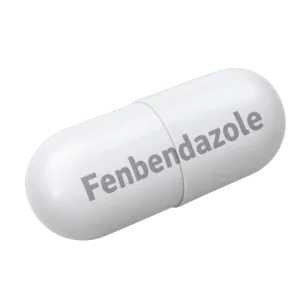
Fenbendazole
Stromectol Current
Sources
- U.S. Food and Drug Administration (2022). Stromectol (ivermectin) tablets prescribing information.
- World Health Organization (2003). WHO model prescribing information: drugs used in parasitic diseases.
- Centers for Disease Control and Prevention (2024). Clinical Care of Strongyloides.
- Cochrane (2018). Ivermectin and permethrin for treating scabies.