Skip to content
Fast & Discrete Delivery Save up to 80%
In stock Fenbendazole
Antiparasitics

Fenbendazole

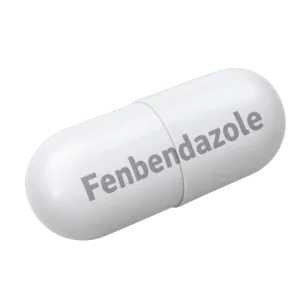
Fenbendazole is a broad-spectrum benzimidazole anthelmintic used mainly for internal parasitic infections in animals. Fenbendazole capsules are intended for veterinary-directed use, with the amount…

Guaranteed quality Original product
Delivery: from 4 days Discreet shipping
24/7 Support Always available
Active ingredient: Fenbendazole
Select dosage:
Select pack Package Per unit Price
AED 12.60 AED 378.10
AED 11.48 AED 756.20 AED 688.54 Save 9%
Free Regular Delivery AED 10.17 AED 1,134.30 AED 915.40 Save 19%
Best value Free Express Delivery AED 9.11 AED 2,268.60 AED 1,639.76 Save 28%
AED 13.53 AED 405.96
Free Regular Delivery AED 10.61 AED 1,217.88 AED 955.20 Save 22%
Best value Free Express Delivery AED 9.29 AED 2,435.76 AED 1,671.60 Save 31%

Free delivery on orders from AED 796.00, free express delivery from AED 1,194.00

Secure payment methods:
VISA AMEX JCB DISCOVER

Fenbendazole is a broad-spectrum benzimidazole anthelmintic used mainly for internal parasitic infections in animals. Fenbendazole capsules are intended for veterinary-directed use, with the amount per intake selected for the individual animal rather than fixed for every patient. The active substance disrupts parasite microtubules, reducing energy production and leading to parasite elimination.

Overview

Fenbendazole belongs to the benzimidazole class of anthelmintics. It acts against susceptible gastrointestinal parasites by interfering with tubulin, a structural protein required for cell division and intracellular transport. The product form is capsules, which may be more practical than a paste for animals that accept medication mixed with food or administered directly.

What it is used for

Spectrum of activity and targeted parasites

Fenbendazole has activity against several gastrointestinal nematodes and selected other parasites in veterinary species. The exact spectrum depends on the animal, parasite species, stage of infection, local resistance patterns, and the authorised veterinary indication.

Common target groups include:

  • Roundworms: adult and immature gastrointestinal nematodes
  • Strongyles: important intestinal parasites in horses and other grazing animals
  • Ascarids: large roundworms that may affect young animals
  • Strongyloides: threadworms in selected veterinary species
  • Pinworms: susceptible intestinal pinworm infections in relevant hosts
  • Certain protozoal infections: activity against some coccidia-related organisms may be described for specific species and regimens

Fenbendazole should not be treated as a universal parasite treatment. Coccidia, tapeworms, lungworms, and other organisms may require a different active substance or a species-specific protocol. A faecal examination can help determine whether the suspected parasite is one that fenbendazole is expected to affect.

The visible improvement after treatment can also be misleading. Appetite, stool quality, coughing, coat condition, and body weight may improve at different rates. A positive clinical change does not prove that every parasite stage has been eliminated.

If diarrhoea, weight loss, or poor growth continues after treatment, a repeat faecal examination is more useful than automatically repeating the same anthelmintic.

Target species and clinical applications

Fenbendazole is used in veterinary medicine across selected animal species. Its suitability depends on the licensed indication and the parasite being treated, rather than on the product name alone.

Horses and foals

Horses may carry strongyles, ascarids, pinworms, and other intestinal parasites. Foals require extra care because parasite burdens, body size, age, and developmental stage can change rapidly. Large roundworms are a meaningful concern in young horses, while strongyle control is a continuing management issue in adults.

A horse’s deworming plan should reflect faecal egg counts, age, pasture exposure, clinical signs, and previous treatment history. Routine calendar-based administration of one product throughout the year can produce unnecessary exposure and reduce long-term control.

Other veterinary patients

Fenbendazole may also be used in other animal species when a veterinary protocol supports its use. Species differences affect absorption, metabolism, clearance, safety margins, and parasite susceptibility. A regimen suitable for a horse cannot be transferred automatically to a dog, cat, bird, reptile, or livestock animal.

Formulation

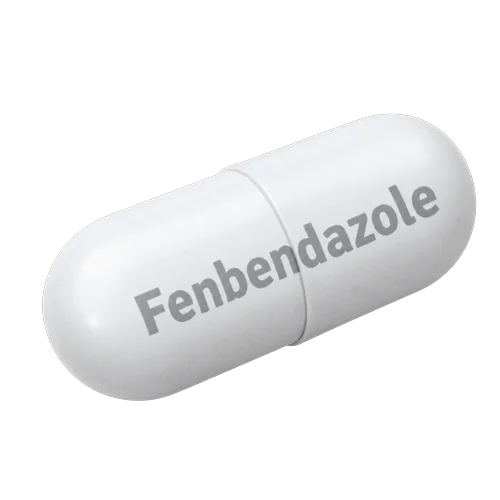
The active substance is fenbendazole.

Molecular structure and scientific specifications

Fenbendazole belongs to the benzimidazole class of anthelmintics. Its activity against susceptible parasites is associated with interference with tubulin, a structural protein required for cell division and intracellular transport.

These properties help explain its activity against parasitic cells:

  • Pharmacological class: benzimidazole anthelmintic
  • Active substance: fenbendazole
  • Dosage form on this page: capsules
  • Primary therapeutic field: veterinary control of susceptible internal parasites

The formulation should be matched to the animal species, body weight, parasite, and treatment objective. The amount per intake is selected individually for each animal rather than being set as one fixed number.

Record the animal’s current body weight before treatment. Small weighing errors can matter when a dose is calculated for a young, very small, or debilitated animal.

Mechanism of action

Fenbendazole binds to parasite beta-tubulin and interferes with the formation of microtubules. These microscopic structures support cell division, nutrient transport, movement of cellular components, and maintenance of the parasite’s internal architecture.

When microtubule formation is disrupted, susceptible parasites cannot maintain normal glucose uptake and intracellular transport. Their glycogen reserves become depleted, cellular activity declines, and the organism eventually dies or is expelled. The mechanism affects parasites more strongly than host tissues because of differences in tubulin binding and drug sensitivity.

Fenbendazole also undergoes metabolism to related compounds, including oxfendazole. The extent of this conversion varies among species and can influence exposure and activity. Veterinary pharmacology therefore treats species, age, liver function, parasite type, and treatment duration as clinically relevant variables rather than interchangeable details.

The American Association of Equine Practitioners and veterinary parasitology guidance support targeted treatment and follow-up testing when control failure is suspected [1].

How to use it

Veterinary capsule formulations and administration

Fenbendazole capsules provide an oral route of administration. The capsule may be given directly or administered with a small amount of suitable food when the animal’s treatment plan allows this method. The capsule should not be opened, crushed, or divided unless a veterinary professional has confirmed that doing so is appropriate for the specific formulation.

The amount per intake is selected individually. Factors include:

  • animal species and breed;
  • current body weight;
  • age and developmental stage;
  • suspected or confirmed parasite;
  • severity of infection;
  • liver or gastrointestinal disease;
  • previous anthelmintic exposure;
  • local evidence of resistance.

The course length also depends on the veterinary indication. A single administration, a short course, or a longer protocol may be used for different parasite problems. Extending treatment without a defined reason can increase adverse-effect risk and encourage resistance.

Missed doses should be handled according to the treatment plan. Giving two doses together can create an excessive exposure, especially in small animals or animals with impaired health. Write down each administration time when several doses are required.

Dosage and administration principles

No single universal amount applies to every animal. The prescribed amount per intake is selected for the individual patient and the parasite being treated.

Use principles include:

  • administer by mouth;
  • use the individually selected amount;
  • maintain the planned interval between administrations;
  • complete the intended course unless a veterinary professional changes it;
  • avoid doubling after a missed administration;
  • monitor appetite, stool, hydration, and behaviour;
  • arrange reassessment when signs persist or worsen.

The capsule should be swallowed whole unless a veterinary professional has confirmed that an alternative method is suitable. Mixing medication into a full meal can make it difficult to know how much was consumed. A small portion of food is easier to monitor when food administration is appropriate.

Comparison

Fenbendazole is one option within veterinary parasite control. Selection depends on the suspected organism, animal species, resistance history, and treatment objective.

Approach Main target or feature Key limitation
Fenbendazole Susceptible gastrointestinal nematodes and selected parasites Resistance and species-specific use must be considered
Praziquantel-based treatment Tapeworms in appropriate veterinary species Does not replace a nematode-focused treatment plan
Macrocyclic lactone treatment Selected nematodes and other parasite groups Resistance, toxicity, and species restrictions vary

Fenbendazole may be preferred when the suspected parasite is susceptible and the animal’s species-specific protocol supports its use. A different class may be required for tapeworms or parasites outside fenbendazole’s expected range. Combining anthelmintics should follow a deliberate veterinary plan, not an assumption that more medicines will produce better control.

Common mistakes

Several practical errors reduce the chance of a satisfactory result:

  • estimating body weight instead of weighing the animal;
  • using a regimen intended for another species;
  • treating without considering the actual parasite;
  • giving a full meal when the animal consumes only part of it;
  • repeating the dose too soon after vomiting;
  • stopping a multi-day course early;
  • doubling the next administration after a missed dose;
  • ignoring ongoing pasture or environmental reinfection;
  • assuming every worm is susceptible to the same drug class;
  • failing to record when the capsule was given.

One frequent mistake is judging success only by visible worms in stool. Many parasites are microscopic or are not expelled in an obvious form. Clinical signs and laboratory testing provide better evidence.

Another is switching immediately to repeated courses when diarrhoea continues. Persistent signs may reflect colitis, dietary disease, bacterial infection, coccidiosis, dehydration, or another condition that needs a different assessment.

Who should not use it

The treatment should be avoided or reconsidered when:

  • the animal has a known hypersensitivity to fenbendazole or related benzimidazoles;
  • the suspected parasite is outside the expected activity range;
  • the animal is severely dehydrated or systemically unwell;
  • there is persistent vomiting that prevents reliable oral administration;
  • serious liver disease is present;
  • the animal is pregnant or nursing and the specific use has not been evaluated;
  • the patient is a species for which the proposed regimen has not been established;
  • another medicine or supplement may alter the treatment plan.

Specific interaction information depends on species and concurrent medicines. Tell the treating veterinarian about corticosteroids, immunosuppressants, anticonvulsants, liver-affecting medicines, and other anthelmintics. Do not combine parasite treatments without a defined clinical reason.

When this is not for you

Fenbendazole is not suitable for every animal or every parasite problem. Not for you if the animal is not under veterinary direction, has an unconfirmed parasite problem, or may have a contraindication.

Pregnant animals, nursing animals, very young animals, and those with liver disease need a more cautious assessment. Food refusal, vomiting, dehydration, severe diarrhoea, or marked weight loss can change the risk profile of oral treatment.

Fenbendazole is primarily a veterinary anthelmintic. Human use for cancer, viral disease, or other conditions has not been established as a proven treatment pathway, and animal dosing cannot be transferred to people.

Unwanted effects

Most animals tolerate fenbendazole when the product and regimen are appropriate for the species. Possible effects include temporary gastrointestinal upset, soft stool, diarrhoea, vomiting, reduced appetite, or lethargy. These signs can also result from the underlying parasitic infection, intestinal inflammation, dietary change, or another illness. Veterinary assessment can help distinguish treatment-related effects from complications of the infection. The timing, severity, and persistence of symptoms should guide the next clinical decision.

Adverse effects deserve closer attention when the animal is young, underweight, dehydrated, pregnant, elderly, or affected by liver disease. Rare but serious reactions require urgent veterinary assessment, especially facial swelling, breathing difficulty, collapse, severe weakness, persistent vomiting, bloody diarrhoea, or marked neurological changes.

A high parasite burden can create complications after treatment as parasites die and the intestine reacts. Abdominal pain, worsening diarrhoea, or sudden deterioration should not be dismissed as routine treatment effects.

Keep fresh water available and monitor stool consistency for several days after administration. A simple written record of appetite, faeces, and energy can help a veterinarian judge whether the problem is improving.

What doctors say

Veterinarians generally focus on three questions before selecting fenbendazole: which parasite is present, whether it is susceptible, and whether the animal can safely receive the chosen regimen. A faecal test can provide more useful information than treating every gastrointestinal symptom empirically.

Clinical practice also shows that treatment failure does not always mean the medicine was ineffective. The animal may have received an unsuitable amount, expelled the capsule, carried a resistant parasite population, or had a non-parasitic condition. Reinfection from pasture, bedding, soil, or contaminated environments can also occur.

A veterinarian may recommend follow-up faecal testing when egg shedding remains high, clinical signs continue, or resistance is suspected. The World Association for the Advancement of Veterinary Parasitology describes faecal egg-count reduction testing as a method for assessing anthelmintic performance in appropriate settings [2].

What customers often ask

What should be checked or discussed with a veterinarian before starting Fenbendazole?

The animal’s species, weight, age, pregnancy status, liver health, clinical signs, and recent anthelmintic use should be reviewed before treatment. A faecal examination may help identify whether the suspected parasite is likely to respond. MOHAP guidance and veterinary prescribing practice in 2026 place emphasis on species-appropriate use and clinically justified dosing. The veterinarian should also know about every medicine and supplement the animal receives.

Can Fenbendazole cause diarrhoea?

Diarrhoea or softer stools can occur after fenbendazole, although the underlying infection, dietary changes, or another gastrointestinal illness may be responsible. Veterinary references available through EMA describe gastrointestinal signs as a possible tolerability concern for benzimidazole treatment in susceptible animal groups. In 2026, persistent diarrhoea, blood in stool, dehydration, or weakness should prompt urgent veterinary assessment rather than an automatic repeat dose.

What should be done if the expected result does not appear?

Do not increase the amount or extend the course independently when the expected improvement does not occur. The animal may have a resistant parasite, a different parasite, reinfection, incomplete administration, or a non-parasitic disease. WHO veterinary antimicrobial and antiparasitic stewardship principles published in 2025 support diagnostic reassessment when treatment response is poor. A veterinarian may use repeat examination, faecal testing, or a different treatment class.

Which symptoms require stopping Fenbendazole and seeking urgent veterinary care?

Stop further administration and seek urgent veterinary care for facial swelling, breathing difficulty, collapse, severe weakness, repeated vomiting, bloody diarrhoea, severe abdominal pain, or marked neurological changes. These signs can indicate hypersensitivity, significant gastrointestinal disease, dehydration, or another emergency rather than a routine treatment reaction. American Veterinary Medical Association emergency guidance from 2025 continues to treat breathing difficulty and collapse as immediate concerns. Do not give another dose while the animal is being assessed.

Can Fenbendazole be combined with other medicines or supplements?

Combining fenbendazole with another anthelmintic, liver-affecting medicine, corticosteroid, immunosuppressant, or supplement should be decided by the treating veterinarian. The parasite target may not improve when medicines are combined without a clear rationale, while adverse effects can become harder to interpret. EMA veterinary medicine principles in 2025 support reviewing concurrent treatments before administering a product. Provide the veterinarian with the active substances, not only the product names.

How long does a Fenbendazole course last, and is long-term use acceptable?

The course length depends on the animal species, parasite, treatment objective, and individually selected amount per intake. Some protocols use limited administration, while others require a planned multi-day course. Long-term or repeated use should not continue automatically because resistance and cumulative tolerability concerns may develop. FDA veterinary drug information from 2020 describes fenbendazole use through species-specific indications rather than one universal long-term schedule [3].

Do you offer anonymous delivery?

Your order will be securely packed and shipped within 24 hours. This is exactly what your package will look like (images of an actual item sent). It has the size and look of a regular private letter (24x11x0.7 cm) and its contents cannot be seen.

Comparison

Antiparasitics: all medicines side by side

Customer Feedback on Fenbendazole

Based on 3 reviews

Usman, 29 Verified
Rating: 3 out of 5

The horse’s appetite improved over the following week, but the loose stool did not disappear immediately. The follow-up test was useful because it showed that the treatment needed proper monitoring rather than another dose straight away.

Fujairah For the prescribed duration 2 Oct 2026
Joel, 56 Verified
Rating: 4 out of 5

The capsules were easier for me to manage than liquid medicine because I could record each administration. I initially expected a quick change in the coat and weight, but those improvements took longer than the digestive symptoms.

Al Reem Island For the prescribed duration 13 Oct 2026
Ali, 32 Verified
Rating: 3.5 out of 5

The first administration was followed by mild soft stool, which settled. I was disappointed that the signs returned later, and the veterinarian explained that reinfection and parasite resistance had to be checked before repeating treatment.

Liwa For the prescribed duration 28 Oct 2026

Sources

  1. American Association of Equine Practitioners (2020). Internal Parasite Control Guidelines.
  2. World Association for the Advancement of Veterinary Parasitology (2021). World Association for the Advancement of Veterinary Parasitology Guidelines for Evaluating the Efficacy of Anthelmintics for Parasites of Ruminants.
  3. U.S. Food and Drug Administration, Center for Veterinary Medicine (2020). Animal Drugs @ FDA: Fenbendazole Veterinary Drug Information.
Get our free app Shop faster and track your orders 3.4 · 316 reviews Install