The burning improved after a few days, but I had mild nausea and a strange taste after each dose. Separating the tablets from my mineral supplement made the routine easier.
Dubai 7 days 28 Oct 2026
Ciplox
Ciplox is an oral antibacterial medicine containing ciprofloxacin hydrochloride for selected bacterial infections. Dosing differs between strengths and between users, so there is no single amount…
Ciplox is an oral antibacterial medicine containing ciprofloxacin hydrochloride for selected bacterial infections. Dosing differs between strengths and between users, so there is no single amount that suits everyone.
Overview
Ciplox contains ciprofloxacin hydrochloride, an antibacterial medicine in the fluoroquinolone class. Dosing differs between strengths and between users, so there is no single amount that suits everyone. It is intended for oral treatment of selected bacterial infections, not viral illnesses such as influenza or most common colds.
Active Ingredient: Ciprofloxacin
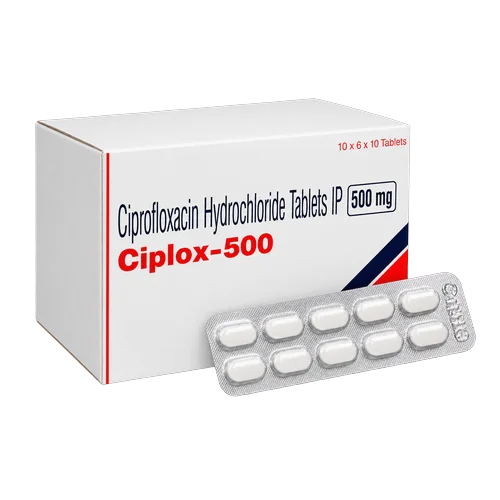
Ciplox tablets contain ciprofloxacin hydrochloride. Ciprofloxacin is absorbed through the gastrointestinal tract and reaches several body tissues.
What it is used for
Ciplox is used when a bacterial infection is suspected or confirmed and ciprofloxacin is an appropriate option. The medicine should be selected with attention to bacterial susceptibility because resistance to fluoroquinolones varies between organisms and regions.
Clinical indications can include:
- Complicated or uncomplicated urinary tract infections caused by susceptible bacteria.
- Certain gastrointestinal infections, including some bacterial diarrhoeal illnesses.
- Selected respiratory infections when other options are unsuitable and the causative bacteria are susceptible.
- Some skin, bone, joint, or intra-abdominal infections.
- Specific infections caused by organisms for which ciprofloxacin has recognised activity.
Ciprofloxacin is not automatically the best choice for every infection. For example, many respiratory infections are caused by organisms against which ciprofloxacin has limited value. A doctor may choose another antibacterial after considering the likely pathogen, culture results, allergy history, and regional resistance data.
The World Health Organization places ciprofloxacin among antibiotics requiring careful stewardship because unnecessary use increases antimicrobial resistance [2]. That means the medicine should be reserved for situations where its antibacterial spectrum and tissue penetration offer a clinical reason for use.
Formulation
Active Ingredient: Ciprofloxacin
Ciplox tablets contain ciprofloxacin hydrochloride. Dosing differs between strengths and between users, so there is no single amount that suits everyone. Ciprofloxacin is absorbed through the gastrointestinal tract and reaches several body tissues. The kidneys also eliminate a significant amount of the medicine, so impaired renal function can change the dose or dosing interval.
- It is an antibacterial, not an anti-inflammatory painkiller.
- It works against susceptible bacteria, not viruses.
- It may be selected when laboratory results or clinical factors support fluoroquinolone treatment.
- Resistance can make ciprofloxacin unsuitable for some infections.
- The prescribed course should match the infection and the patient’s kidney function.
A bitter taste, nausea, or mild stomach discomfort can occur during oral ciprofloxacin treatment. Drinking water with the tablet may make swallowing easier, but water does not remove the need to separate ciprofloxacin from mineral products.
Mechanism of action
Ciprofloxacin acts on two bacterial enzymes: DNA gyrase and topoisomerase IV. These enzymes help bacteria copy, repair, and organise their genetic material. By inhibiting them, ciprofloxacin prevents bacterial reproduction and can lead to bacterial cell death. The mechanism and approved clinical uses are described in regulatory information from the FDA and EMA [1].
How to use it
Ciplox tablets are swallowed with water. Ciprofloxacin dosing differs between strengths and between users, so there is no single amount that suits everyone. Kidney function, infection type, infection severity, age, interacting medicines, and bacterial susceptibility can all affect the regimen.
Use follows the prescribed schedule:
- Take each tablet at the same planned times each day.
- Swallow the tablet with water.
- Do not take it at the same time as antacids containing aluminium or magnesium.
- Separate iron, zinc, calcium supplements, and calcium-fortified drinks from ciprofloxacin.
- Complete the prescribed duration unless a clinician tells you to stop because of a serious reaction.
- If a dose is missed, take it when remembered unless the next dose is due soon; do not double the next dose.
The tablet should be swallowed whole unless a prescriber has given a specific instruction otherwise. Crushing or chewing can make the bitter taste more noticeable and may interfere with practical administration.
If vomiting occurs soon after a dose, do not automatically repeat the tablet. The correct action depends on how quickly vomiting occurred and whether the tablet was likely absorbed. Repeating doses without guidance can increase adverse effects.
Comparison
Ciprofloxacin belongs to a group with a distinctive mechanism and a specific safety profile. Alternatives are selected by infection site and bacterial susceptibility rather than by brand similarity.
| Approach | Main role | Key limitation |
|---|---|---|
| Ciprofloxacin | Fluoroquinolone antibacterial for selected susceptible infections | Tendon, nerve, heart-rhythm, and central nervous system risks require careful selection |
| A beta-lactam such as amoxicillin or ceftriaxone | Common option for susceptible respiratory, urinary, skin, or systemic infections | Allergy and bacterial resistance may limit use |
| An antifungal such as clotrimazole | Treatment of fungal infections | Does not treat bacterial infections |
Levofloxacin is another fluoroquinolone, but it is not an automatic substitute. It has its own dosing rules, interactions, resistance considerations, and adverse-effect profile. Trimethoprim-sulfamethoxazole, nitrofurantoin, or a beta-lactam may be preferred for some urinary infections, depending on renal function and local susceptibility results.
Clotrimazole belongs to a different class. It may be used for fungal disease, including selected ear or skin infections, but it has no role against a bacterial infection that requires ciprofloxacin. Matching the antimicrobial to the organism is more useful than choosing medicines by similar-sounding names.
Common mistakes
Several practical errors can reduce treatment reliability or increase risk:
- Taking the tablet with yoghurt, milk, or a calcium-fortified drink.
- Using an aluminium or magnesium antacid at the same time.
- Taking iron, zinc, or calcium supplements without separating them from ciprofloxacin.
- Doubling a dose after forgetting one.
- Continuing intense running after tendon pain begins.
- Stopping early because symptoms improve, then restarting leftover tablets later.
- Saving unused tablets for a future infection.
- Assuming ciprofloxacin treats viral respiratory symptoms.
- Failing to mention warfarin, tizanidine, seizure medicines, or heart-rhythm treatment.
- Ignoring severe diarrhoea because it began several days after treatment.
Do not share Ciplox with another person. The correct antibiotic depends on the infection, bacterial susceptibility, kidney function, allergies, and interacting medicines.
A urine or blood test may be needed when symptoms do not fit a straightforward bacterial infection. Persistent fever, worsening pain, dehydration, confusion, breathing difficulty, or reduced urine output needs prompt medical assessment.
Who should not use it
- A history of tendon rupture or tendon inflammation.
- Kidney impairment.
- Epilepsy or a lower seizure threshold.
- Aortic aneurysm or a significant risk of aortic disease.
- Myasthenia gravis.
- Heart-rhythm disorders or prolonged QT interval.
- Low potassium or low magnesium.
- Diabetes treated with insulin or glucose-lowering medicines.
- Peripheral neuropathy.
- Significant liver disease.
- Medicines that affect cardiac rhythm or the central nervous system.
Ciprofloxacin interacts with several medicines. Tizanidine must not be combined with ciprofloxacin because ciprofloxacin can substantially increase tizanidine exposure and cause profound hypotension and sedation. Warfarin may require closer anticoagulation monitoring. Theophylline toxicity can increase. Methotrexate, phenytoin, ciclosporin, some antipsychotics, and medicines that prolong the QT interval also require specific review.
Pregnancy and breastfeeding require an individual risk assessment. Ciprofloxacin should not be self-started during pregnancy or lactation. The FDA prescribing information describes the relevant safety considerations, interactions, and serious adverse reactions [3].
When this is not for you
This medication is not for you if you have previously had a serious allergic reaction to ciprofloxacin, another quinolone, or a related fluoroquinolone. It is also not suitable if you have previously developed a tendon disorder linked to a fluoroquinolone, unless a specialist has established a clear reason for use.
Tell your prescriber if you have tendon problems, kidney disease, epilepsy, heart-rhythm problems, diabetes, nerve symptoms, myasthenia gravis, liver disease, or an aortic aneurysm. Also mention all medicines you take, especially tizanidine, warfarin, theophylline, methotrexate, ciclosporin, antipsychotics, or medicines that affect heart rhythm.
Do not self-start Ciplox during pregnancy or breastfeeding.
Unwanted effects
Ciprofloxacin can cause gastrointestinal, neurological, skin, and musculoskeletal adverse effects. Diarrhoea, nausea, abdominal discomfort, dizziness, headache, and taste disturbance are recognised reactions. Many mild effects settle after treatment ends, yet some fluoroquinolone reactions require prompt medical assessment.
Common or clinically recognised effects include:
- Nausea or stomach discomfort.
- Loose stools or diarrhoea.
- Headache or dizziness.
- Sleep disturbance, restlessness, or unusual nervousness.
- Rash, itching, or increased sensitivity to sunlight.
- Bitter or unpleasant taste.
- Joint or muscle discomfort.
A bitter taste is more often discussed with local ciprofloxacin drops, yet oral tablets can also cause taste changes. Sugar-free gum or rinsing the mouth with water may make the sensation less irritating.
Stop the medicine and obtain urgent medical assessment for tendon pain or swelling, sudden weakness, numbness, tingling, severe burning pain, marked confusion, hallucinations, fainting, a fast or irregular heartbeat, facial swelling, breathing difficulty, or severe watery or bloody diarrhoea. Ciprofloxacin-associated tendon injury can occur during treatment or after the course has ended.
Sun sensitivity may develop. Protective clothing and shade reduce exposure while taking the medicine and for the period specified by the treating clinician. Severe sunburn-like reactions need medical attention.

What doctors say
In clinical practice, doctors usually reserve ciprofloxacin for infections where its activity, penetration, or culture result offers a clear advantage. A broad antibacterial range does not make it suitable for every fever, sore throat, cough, or episode of diarrhoea.
A clinician will often review recent antibiotic use, allergy history, kidney function, tendon problems, neurological symptoms, diabetes treatment, heart rhythm, and interacting medicines before selecting Ciplox. Culture and susceptibility testing become especially useful when symptoms persist or the infection is recurrent.
The main benefit is targeted antibacterial activity against susceptible organisms. The main limitation is a safety profile that can affect tendons, nerves, the cardiovascular system, and the central nervous system. The European Medicines Agency has issued class-wide safety information on fluoroquinolone-related disabling and potentially long-lasting reactions [4].
A lack of improvement does not always mean the dose should be increased. The organism may be resistant, the diagnosis may be different, an abscess may require drainage, or the infection may need another treatment approach.
What customers often ask
Which diet, exercise, and daily habits help during Ciplox treatment?
Take Ciplox with water and separate it from dairy products, mineral supplements, and antacids containing aluminium or magnesium. Gentle activity is preferable if you feel dizzy or unwell, while strenuous running and jumping should stop if tendon discomfort appears. The WHO antimicrobial stewardship framework published in 2019 supports using antibiotics only for appropriate bacterial indications and following the prescribed regimen [5]. Avoid excessive sun exposure if the skin becomes unusually sensitive.
Can Ciplox be used during pregnancy or breastfeeding?
Ciprofloxacin requires an individual clinical decision during pregnancy and breastfeeding because the potential benefits and risks depend on the infection and available alternatives. Do not start, stop, or restart Ciplox for these situations without a prescriber’s direction. The FDA product information from 2022 and EMA safety material from 2019 describe reproductive and infant-exposure considerations for ciprofloxacin. Breastfeeding patients should report the medicine to the clinician caring for the infant.
Can the Ciplox tablet be split, crushed, or chewed?
Swallow the tablet with water rather than chewing it. Crushing or chewing may produce a strong bitter taste and makes accurate administration less convenient. A tablet should only be split when the prescribed product and dosing plan allow it; a tablet splitter does not make every tablet suitable for division. If swallowing is difficult, the prescriber can choose an appropriate formulation or alternative. FDA prescribing information from 2022 also supports following the labeled administration instructions.
Is Ciplox suitable for older adults?
Older adults may receive ciprofloxacin when the expected antibacterial benefit justifies its risks. Kidney function commonly declines with age, and the regimen may need adjustment to prevent excessive exposure. Tendon injury, confusion, dizziness, blood-glucose changes, and interactions with regular medicines deserve close attention. Older patients should report new weakness, tendon pain, numbness, severe dizziness, or changes in mental state promptly. The EMA safety review from 2019 also identifies serious fluoroquinolone reactions that warrant attention in this group.
What happens after stopping Ciplox, and does it need tapering?
Ciprofloxacin is generally stopped after the prescribed course and does not require tapering in the way corticosteroids or some psychiatric medicines do. Stopping early can leave the infection inadequately treated, while continuing after a serious reaction can increase harm. If tendon pain, neuropathy, severe allergy, or severe diarrhoea develops, urgent clinical assessment takes priority over completing the course. Symptoms that return after stopping may indicate resistance, incomplete treatment, or a different diagnosis. FDA prescribing information from 2022 provides additional guidance on stopping treatment after serious adverse reactions.
Do you offer anonymous delivery?
Your order will be securely packed and shipped within 24 hours. This is exactly what your package will look like (images of an actual item sent). It has the size and look of a regular private letter (24x11x0.7 cm) and its contents cannot be seen.
Comparison
Ampicillin
Augmentin
Bactrim
Ciplox Current
Doxycycline
Minocycline
Sources
- U.S. Food and Drug Administration (2022). CIPRO (ciprofloxacin hydrochloride) tablets prescribing information.
- World Health Organization (2023). The WHO AWaRe Antibiotic Book: Antibiotic Choices for Common Bacterial Infections.
- U.S. Food and Drug Administration (2022). Ciprofloxacin drug safety and prescribing information.
- European Medicines Agency (2019). Fluoroquinolone and quinolone antibiotics: PRAC recommendations on disabling and potentially permanent side effects.
- World Health Organization (2019). WHO Report on Surveillance of Antibiotic Consumption.