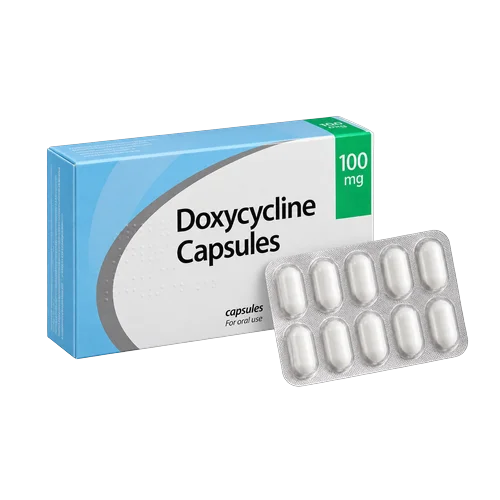
I used the 100 mg capsules for a chest infection. My fever improved after several days, but I developed mild nausea when I took a dose without food. Drinking a full glass of water and staying upright made the next doses easier.
Al Khawaneej Several days 26 Oct 2026
Doxycycline
Doxycycline blocks bacterial protein production, helping stop the growth of susceptible organisms. Doxycycline capsules are prescribed for selected respiratory, skin, urinary, sexually transmitted…
Doxycycline blocks bacterial protein production, helping stop the growth of susceptible organisms. Doxycycline capsules are prescribed for selected respiratory, skin, urinary, sexually transmitted, and other bacterial infections.
Overview
Doxycycline contains the tetracycline-class antibiotic doxycycline. Doxycycline is bacteriostatic.
What it is used for
Doxycycline can be used in several infection categories, but it is not automatically suitable for every infection in those categories. A clinician may use examination findings, laboratory testing, culture results, sexual-health testing, or local resistance information to select treatment.
- Respiratory tract infections: Doxycycline may be prescribed for selected bacterial respiratory infections, including some atypical infections and community-acquired pneumonia when the likely organisms are susceptible. It does not treat viral bronchitis or uncomplicated viral coughs.
- Skin and soft-tissue infections: It may be used for certain bacterial skin infections and for inflammatory acne when bacterial activity contributes to lesions. Acne treatment usually requires a planned course and topical skin care rather than antibiotic capsules alone.
- Sexually transmitted infections: Doxycycline has an established role in treating chlamydial infection and some other sexually transmitted infections. The required regimen depends on the organism, anatomical site, pregnancy status, and current public-health guidance.
- Urinary tract infections: Doxycycline is not a routine choice for every urinary tract infection. It may be considered when a susceptible organism is identified or when the infection has a specific cause for which doxycycline is appropriate.
- Tick-borne and intracellular infections: Doxycycline is also used for conditions such as rickettsial infections and selected Lyme disease presentations. Early treatment decisions can be time-sensitive.
Clinical response depends on the source of infection. Falling fever, reduced pain, less discharge, improved breathing, or fewer inflammatory skin lesions may indicate improvement, but symptoms alone cannot confirm eradication.
Formulation
The product form is an oral capsule containing doxycycline for oral use. It is prescribed for bacterial infections caused by organisms susceptible to tetracyclines, rather than for viral illnesses such as influenza or most common colds.
This means it slows or stops bacterial multiplication, allowing the immune system to clear the infection. It may be selected for respiratory infections, acne-related inflammation, selected urinary infections, chlamydial infections, rickettsial diseases, Lyme disease, and other conditions identified by a clinician.
Dosing differs between strengths and between users, so there is no single amount that suits everyone. A prescription may be adjusted according to the infection, kidney or liver function, age, pregnancy status, and local resistance data.
Mechanism of action
Doxycycline enters susceptible bacterial cells and attaches to the 30S subunit of the bacterial ribosome. The ribosome is the structure that assembles proteins. By limiting access of aminoacyl-tRNA to the messenger RNA–ribosome complex, doxycycline prevents the organism from producing proteins needed for growth and replication.
The action is mainly bacteriostatic rather than directly bactericidal. Bacterial multiplication slows, and the body’s immune response can remove the remaining organisms. This mechanism explains why completing the prescribed course matters even when symptoms improve early.
Resistance can occur when bacteria acquire protective mechanisms, alter the drug target, or reduce intracellular drug levels. The World Health Organization’s antibiotic stewardship principles support using doxycycline only when the suspected or confirmed organism is susceptible and the clinical indication is appropriate [1].
How to use it
Dosing differs between strengths and between users, so there is no single amount that suits everyone. The prescribed dose, dosing interval, and course length depend on the diagnosis and the clinician’s treatment plan.
- Swallow the capsule whole with a full glass of water.
- Take it while upright, either sitting or standing.
- Remain upright for at least 30 minutes after taking it.
- Take doses at evenly spaced times when more than one dose per day is prescribed.
- Follow the prescribed course unless the prescriber changes it.
- If a dose is missed, take it when remembered unless the next dose is near; do not double the next dose.
- If vomiting occurs soon after a dose, do not automatically repeat it. The correct action depends on how soon vomiting occurred and whether the capsule was visible.
Food can improve nausea for some people, but calcium-rich foods and mineral products can reduce absorption when taken too close to doxycycline. The exact timing separation should follow the prescribed directions for the specific product and the interacting substance.
Do not open, crush, or chew the capsule unless a pharmacist or prescriber has confirmed that the product can be used that way. Capsule contents may irritate the mouth or throat, and altering the dosage form can make administration less predictable.
Comparison
Doxycycline should be compared by antibacterial class and clinical role, not by brand name. The most suitable option depends on the suspected organism, infection site, allergies, pregnancy status, and resistance patterns.
| Approach | Main feature | Important limitation |
|---|---|---|
| Doxycycline | Tetracycline antibiotic that inhibits bacterial protein synthesis | Photosensitivity, oesophageal irritation, and mineral-binding interactions |
| Macrolide antibiotic | Inhibits bacterial protein synthesis at a different ribosomal site | Resistance and drug-specific heart-rhythm or liver concerns may limit use |
| Beta-lactam antibiotic | Disrupts bacterial cell-wall construction | Allergy, resistance, and limited activity against atypical organisms can affect selection |
Doxycycline may be useful when intracellular or atypical organisms are suspected, or when its tissue distribution fits the infection. A macrolide or beta-lactam may be preferred in other situations. Antibiotics are not interchangeable, even when they are prescribed for the same broad infection category.
Common mistakes
Several practical errors reduce tolerability or treatment reliability:
- Taking the capsule with only a sip of water.
- Lying down immediately after swallowing it.
- Taking it together with an iron, calcium, magnesium, zinc, or aluminium product.
- Spending prolonged time in direct sun without protection.
- Doubling a missed dose.
- Stopping as soon as fever or pain improves.
- Sharing capsules with a household member who has similar symptoms.
- Assuming doxycycline treats viral infections.
- Continuing treatment despite severe diarrhoea, visual symptoms, or difficulty swallowing.
- Crushing or opening the capsule without confirmation that the dosage form permits it.
Who should not use it
Doxycycline is not suitable for everyone. This medication is not for you if you have had a serious allergic reaction to doxycycline, another tetracycline, or a related ingredient.
- Pregnancy, especially when other suitable treatments are available.
- Breastfeeding, because doxycycline passes into milk and the infant’s age and treatment duration matter.
- Children younger than eight years, except when a clinician determines that the benefit outweighs the risk, such as selected serious infections.
- Severe liver disease or a history of significant liver reactions to tetracyclines.
- Previous antibiotic-associated colitis.
- Raised intracranial pressure or severe, unexplained headaches.
- Difficulty swallowing or disorders that increase the risk of oesophageal injury.
- Use of medicines that can raise intracranial pressure.
Pregnancy and childhood decisions require diagnosis-specific judgment. The Centers for Disease Control and Prevention includes doxycycline in selected situations where the benefit of prompt treatment outweighs theoretical dental or skeletal concerns, including some serious tick-borne infections [3]. That does not make unsupervised use appropriate.
When this is not for you
Do not take doxycycline without medical advice if you are pregnant or breastfeeding, if it is intended for a child younger than eight years, or if you have serious liver problems, severe headaches, swallowing difficulties, or a previous serious reaction to this antibiotic. Tell a clinician about medicines that can increase pressure inside the skull.
Unwanted effects
Common reactions include nausea, stomach discomfort, loose stools, headache, and increased sensitivity to sunlight. Taking the capsule with adequate water and remaining upright can reduce upper digestive irritation. Food may help nausea, although calcium-rich products can interfere with absorption.
Sunburn can occur more quickly or become more intense during treatment. Use protective clothing, limit intense midday exposure, and use a broad-spectrum sunscreen when outdoors.
Less common but serious reactions require prompt medical assessment:
- Severe or persistent headache with blurred or double vision, which can indicate raised intracranial pressure.
- Watery or bloody diarrhoea during treatment or after it, which may indicate antibiotic-associated colitis.
- Facial swelling, breathing difficulty, widespread blistering rash, or skin peeling, which may signal a serious allergic or cutaneous reaction.
- Severe pain behind the breastbone or difficulty swallowing, which may indicate oesophageal injury.
- Yellowing of the skin or eyes, dark urine, or marked upper-abdominal pain, which may indicate liver injury.
Longer exposure can increase the chance of gastrointestinal effects, photosensitivity, altered normal flora, and antibiotic resistance. Tetracycline-class antibiotics can also cause tooth discolouration or affect developing bone, which is why age and pregnancy restrictions matter [2].
What doctors say
In clinical practice, doctors often focus first on whether the infection is bacterial and whether doxycycline reaches the affected tissue. A broad spectrum does not mean that the antibiotic is the best choice for every infection.
A physician will usually assess allergies, pregnancy possibility, age, liver disease, swallowing problems, recent antibiotic exposure, and current medicines. For sexually transmitted infections, testing and partner management may be needed alongside treatment. For respiratory symptoms, breathing difficulty, chest pain, persistent fever, or low oxygen levels can change the urgency of care.
Patients often expect improvement after the first capsule. Symptoms may begin to settle before the infection has been fully treated, so stopping early can allow recurrence and contribute to resistance. When diarrhoea, visual changes, severe headache, or a painful swallowing sensation appears, continuing silently is not appropriate; the treatment plan needs prompt review.
A physician may also decide that doxycycline is unsuitable because the organism is resistant or because another antibiotic has a better safety profile for that patient.
What customers often ask
What should be discussed with a doctor before starting Doxycycline?
Tell the doctor about tetracycline allergies, pregnancy or breastfeeding, liver disease, swallowing problems, previous antibiotic-associated diarrhoea, and severe headaches or visual symptoms. Include all medicines and supplements, especially antacids, iron, calcium, magnesium, zinc, anticoagulants, anticonvulsants, and acne medicines. The CDC sexually transmitted infection guidance published in 2021 also supports discussing testing and partner management when doxycycline is used for a suspected sexually transmitted infection. The diagnosis determines whether the antibiotic is suitable.
Can Doxycycline cause sun sensitivity?
Yes. Photosensitivity is a recognised adverse effect of doxycycline and may cause an unusually strong sunburn or skin reaction. FDA prescribing information describes this risk, and it remains clinically relevant in sunny environments such as the UAE. Limit intense sun exposure, use protective clothing, and apply broad-spectrum sunscreen. Seek medical advice for blistering, widespread rash, or severe skin pain.
Can the capsule be split, crushed, or chewed?
The capsule should generally be swallowed whole with water rather than split, crushed, or chewed. Altering it can make swallowing unpleasant and may expose the mouth or throat to irritating contents. The FDA product information published in 2023 advises administration with sufficient fluid to reduce oesophageal irritation. If swallowing is difficult, the prescriber should select an appropriate formulation instead of modifying the capsule independently.
Which diet, exercise habits, or daily routines help or hinder treatment?
Taking the capsule with plenty of water and staying upright supports safer administration. Mineral supplements, antacids, and calcium-rich foods taken too close to the dose can hinder absorption. Outdoor exercise is allowed, but doxycycline can increase sun sensitivity, so shade, protective clothing, and sunscreen are useful. WHO antibiotic stewardship guidance from 2023 also supports avoiding unnecessary exercise changes or dietary restrictions that do not address a real interaction.
How long does one dose of Doxycycline keep working?
Doxycycline remains in the body for many hours, which allows some treatment schedules to use widely spaced doses. The duration of action depends on the prescribed strength, formulation, kidney and liver function, and the infection being treated. The FDA prescribing information from 2023 describes doxycycline pharmacokinetics and the importance of following the selected dosing interval. Do not take an extra capsule because symptoms return before the next scheduled dose.
How long does a course last, and is long-term use acceptable?
Course length varies from a short infection treatment to a longer planned course for acne or selected chronic skin conditions. Long-term treatment can be appropriate when a clinician monitors the diagnosis, response, adverse effects, and antibiotic stewardship concerns. NICE acne guidance, updated in 2023, supports time-limited review of antibiotic treatment rather than indefinite continuation. Persistent diarrhoea, severe headache, visual changes, or unusual skin reactions require prompt review during any course.
What is the best time of day to take Doxycycline?
There is no universal best clock time; the priority is taking each dose at the prescribed interval and allowing enough time before lying down. A morning dose may be convenient because it is easier to remain upright, while an evening dose can be suitable when taken well before sleep. U.S. Food and Drug Administration prescribing information published in 2023 emphasises adequate fluid intake and protection against oesophageal irritation. Choose a consistent time that also keeps antacids and mineral supplements separated from the antibiotic.
Do you offer anonymous delivery?
Your order will be securely packed and shipped within 24 hours. This is exactly what your package will look like (images of an actual item sent). It has the size and look of a regular private letter (24x11x0.7 cm) and its contents cannot be seen.
Comparison
Ampicillin
Augmentin
Bactrim
Ciplox
Doxycycline Current
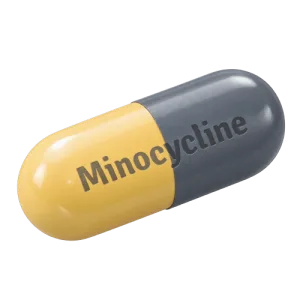
Minocycline
Sources
- World Health Organization (2023). The WHO AWaRe Antibiotic Book: Antibiotic Treatment for Common Bacterial Infections in Adults and Children
- DailyMed (2023). Doxycycline hyclate capsule prescribing information
- Centers for Disease Control and Prevention (2021). Sexually Transmitted Infections Treatment Guidelines