The first few days brought some dizziness, so I stopped driving until I knew how I reacted. The skin settled gradually, and the doctor reviewed the treatment before I continued.
Al Barsha Prescribed duration 22 Oct 2026
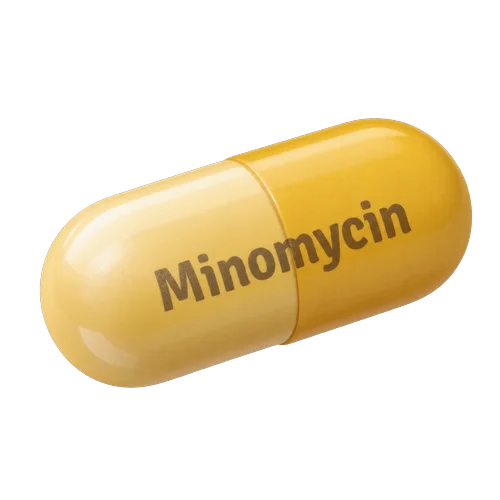
Minomycin
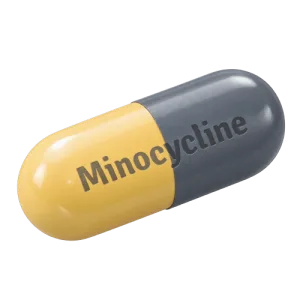
Minomycin is an oral capsule product containing minocycline, a tetracycline antibiotic used for selected bacterial infections and inflammatory skin conditions such as acne. It slows bacterial protein…
Minomycin is an oral capsule product containing minocycline, a tetracycline antibiotic used for selected bacterial infections and inflammatory skin conditions such as acne. It slows bacterial protein production, which limits bacterial growth.
Overview
Minomycin is an oral capsule product containing minocycline, a tetracycline antibiotic used for selected bacterial infections and inflammatory skin conditions such as acne. A clinician may also consider minocycline in specific rheumatoid arthritis treatment plans when the expected benefit, medical history, and other treatment options have been assessed.
Minocycline pharmacological role
Minocycline reaches tissues after oral administration and acts against certain susceptible bacteria. Its clinical value depends on the organism involved, the infection site, resistance patterns, and the patient’s medical history. The U.S. Food and Drug Administration and the European Medicines Agency describe minocycline as a prescription antibacterial agent with uses that vary by formulation and indication [1].
The response is not judged by the product name alone. Clinicians consider the diagnosis, examination findings, treatment duration, adverse effects, and whether another approach would be more suitable.
Clinical meaning of tetracycline antibiotic
A tetracycline antibiotic is a medicine that interferes with bacterial protein production. The class includes drugs with related mechanisms but different dosing instructions, interactions, and tolerability profiles. Age, pregnancy status, allergy history, liver function, autoimmune symptoms, and concurrent medicines can alter the suitability of a tetracycline.
What it is used for
Minomycin may be prescribed for selected bacterial infections and for moderate or inflammatory acne when an oral antibiotic forms part of the treatment plan. Minocycline is also used in some specialist-directed rheumatoid arthritis plans, though it is not a universal first-choice treatment and does not replace rheumatology care.
| Clinical setting | Role of minocycline | Main limitation |
|---|---|---|
| Inflammatory acne | Oral antibiotic option when topical treatment alone is insufficient | Duration should be reviewed to limit resistance |
| Susceptible bacterial infection | Treatment when the suspected organism and clinical situation support its use | Viral infections do not respond |
| Selected rheumatoid arthritis care | Specialist-directed option in specific circumstances | It does not replace disease-modifying treatment planning |
Minomycin for acne
Minocycline may be considered for inflammatory lesions, including deeper or more widespread acne, when a prescriber judges that oral treatment is appropriate. Acne improvement usually requires time. Early changes may be subtle, and treatment plans often include topical therapy, skin-care advice, and a defined review point.
Stopping as soon as the skin looks better can lead to an incomplete course. Continuing indefinitely creates unnecessary antibiotic exposure. The American Academy of Dermatology recommends limiting systemic antibiotic use and combining it with an appropriate topical strategy when clinically suitable [2].
Minocycline in rheumatoid arthritis care
Rheumatoid arthritis is an inflammatory autoimmune disease that can damage joints when active inflammation remains uncontrolled. Minocycline has been studied in rheumatoid arthritis, yet treatment decisions require rheumatology assessment, disease activity monitoring, and consideration of established disease-modifying medicines.
A capsule should not be started for joint symptoms without a confirmed diagnosis. Joint pain can arise from several conditions, and antibiotic treatment is not appropriate for every painful or swollen joint.
Formulation
Minomycin is an oral capsule product containing minocycline, a tetracycline antibiotic used for selected bacterial infections and inflammatory skin conditions such as acne. A clinician may also consider minocycline in specific rheumatoid arthritis treatment plans when the expected benefit, medical history, and other treatment options have been assessed. Antibiotics act against susceptible bacteria; they do not treat viral illnesses such as influenza or most common colds.
Minocycline belongs to the tetracycline antibiotic class. It slows bacterial protein production, which limits bacterial growth. Antibiotic resistance means that bacteria can adapt and become less responsive to treatment. Using an antibiotic for the wrong illness, sharing capsules, or extending treatment without review can increase this problem.
Minocycline pharmacological role
Minocycline reaches tissues after oral administration and acts against certain susceptible bacteria. Its clinical value depends on the organism involved, the infection site, resistance patterns, and the patient’s medical history. The U.S. Food and Drug Administration and the European Medicines Agency describe minocycline as a prescription antibacterial agent with uses that vary by formulation and indication [1].
The response is not judged by the product name alone. Clinicians consider the diagnosis, examination findings, treatment duration, adverse effects, and whether another approach would be more suitable.
Clinical meaning of tetracycline antibiotic
A tetracycline antibiotic is a medicine that interferes with bacterial protein production. The class includes drugs with related mechanisms but different dosing instructions, interactions, and tolerability profiles. Age, pregnancy status, allergy history, liver function, autoimmune symptoms, and concurrent medicines can alter the suitability of a tetracycline.
Mechanism of action
Minocycline belongs to the tetracycline antibiotic class and interferes with bacterial protein production. This limits bacterial growth and allows the medicine to act against susceptible bacteria. Its clinical value depends on the organism involved, the infection site, and resistance patterns.
How to use it
The regimen for the chosen strength must be confirmed with a healthcare professional before starting. Minomycin is supplied as capsules, and the amount, frequency, timing, and treatment duration depend on the condition being treated, the selected strength, kidney or liver considerations, age, and prescriber instructions.
- Take each capsule exactly as prescribed.
- Swallow it with plenty of water.
- Remain upright rather than lying down immediately afterwards.
- Keep antacids and mineral products separate when the product information requires this.
- Tell the prescriber about iron, calcium, magnesium, zinc, and multivitamin products.
- Do not share capsules with another person.
- Do not take two doses together after a missed dose unless the prescriber has specifically instructed this.
The regimen for the chosen strength must be confirmed with a healthcare professional before starting. The appropriate regimen depends on the person, the clinical diagnosis, and the prescriber's instructions.
Missed dose and treatment duration
If a dose is missed, the next step depends on how close it is to the following scheduled dose. Taking extra capsules to compensate can increase nausea, dizziness, headache, and other adverse effects without improving antibacterial activity. Treatment duration should be set by the prescriber and reviewed if symptoms persist, worsen, or return.
Comparison
Antibiotic selection depends on the diagnosis rather than on a general ranking of medicines. Minocycline is a tetracycline antibiotic. Other antibiotic classes work through different targets and may be selected when resistance, allergy, pregnancy, interactions, or infection site changes the risk–benefit assessment.
| Treatment approach | Main selection factor | Key limitation |
|---|---|---|
| Minocycline, a tetracycline antibiotic | Susceptible bacteria or selected inflammatory skin treatment | Dizziness, pigmentation, interactions, and age-related precautions |
| Topical antibacterial treatment | Localised skin disease with limited systemic exposure | May be insufficient for widespread inflammatory acne |
| Another systemic antibiotic class | Different allergy, resistance, or infection considerations | Has its own interactions and adverse-effect profile |
Treatment guidelines and local resistance patterns influence the choice. The World Health Organization stresses responsible antibiotic use because unnecessary exposure contributes to antimicrobial resistance [3]. A different antibiotic should not be substituted solely because it is familiar or available in another strength.
Common mistakes
Several practical errors can reduce treatment quality or increase adverse effects:
| Common mistake | Better practice |
|---|---|
| Taking the capsule with an antacid or mineral supplement | Confirm suitable separation with the prescriber or pharmacist |
| Doubling the next dose after forgetting one | Follow the missed-dose instruction for the prescribed regimen |
| Stopping acne treatment as soon as lesions improve | Follow the planned duration and review |
| Lying down immediately after swallowing | Take with plenty of water and remain upright |
| Ignoring dizziness before driving | Avoid driving or machinery until the effect is understood |
| Covering new pigmentation with cosmetics | Report the change so it can be clinically assessed |
| Sharing unused capsules | Keep the prescription specific to the diagnosed patient |
One easy mistake is taking an iron or calcium supplement at breakfast and the antibiotic at the same time. The routine feels convenient, yet absorption may be reduced. Another is assuming that a missed capsule should be replaced with two; this can produce more side effects without providing better treatment.
Who should not use it
- Previous allergy to minocycline, tetracyclines, or a related medicine
- Pregnancy or planned pregnancy
- Breastfeeding
- Young age, especially where tooth and bone development remain relevant
- Liver disease or a history of significant liver reactions
- Autoimmune symptoms such as persistent joint pain, fever, swollen glands, or unusual skin changes
- Previous severe reaction to an antibiotic
- Current use of medicines or supplements that can reduce absorption
- Severe dizziness, balance problems, or neurological symptoms after an earlier tetracycline
Minocycline may interact with antacids and products containing calcium, magnesium, iron, aluminium, or zinc. Exact spacing depends on the formulation and accompanying product information. Taking these products at the same time without checking can reduce the amount of antibiotic absorbed.
When this is not for you
Minomycin is NOT for you if you have a serious tetracycline allergy or have not obtained clinical review for pregnancy, liver disease, or neurological symptoms. Speak with a clinician before taking it if you are pregnant, breastfeeding, young, have liver problems, autoimmune symptoms, or have previously had a severe reaction to an antibiotic. Also check before use if you take antacids or mineral products containing calcium, magnesium, iron, aluminium, or zinc.
Unwanted effects
Minocycline can cause gastrointestinal and nervous-system symptoms, along with less common reactions involving the skin, liver, or immune system. The risk profile varies between individuals and may be influenced by treatment duration.
Commonly reported symptoms
Possible symptoms include:
- Headache
- Drowsiness
- Dizziness or a spinning sensation
- Fatigue
- Nausea or stomach discomfort
- Constipation
- Temporary appetite changes
Mild symptoms should still be mentioned if they persist or interfere with normal activities. Drowsiness, dizziness, or balance problems can make driving, cycling, climbing, and operating machinery unsafe. A person who develops these effects should avoid those activities until the symptoms have settled and the prescriber has provided suitable advice.
Skin discoloration and clinically significant reactions
Minocycline has been associated with pigmentation changes involving the skin, nails, gums, teeth, or areas of previous inflammation. Some pigmentation can persist after treatment. New blue-grey, brown, or unusual darkening should be reported rather than concealed with cosmetics.
Urgent medical assessment is needed for:
- Facial, lip, tongue, or throat swelling
- Breathing difficulty
- Extensive blistering or peeling rash
- Severe headache with visual changes
- Yellowing of the skin or eyes
- Dark urine with marked fatigue
- Fainting or severe weakness
- Confusion, seizures, or major balance problems
A severe rash, breathing difficulty, or rapidly developing facial swelling requires emergency care. The FDA prescribing information identifies serious hypersensitivity, neurological, liver-related, and pigmentation reactions as clinically relevant concerns with minocycline [1].
What doctors say
In clinical practice, prescribers assess the diagnosis before selecting minocycline. For acne, they review inflammatory severity, previous topical treatment, duration of oral antibiotic use, and the plan for maintenance after the antibiotic course. For suspected infection, they consider the likely organism, local resistance patterns, infection site, and the patient’s allergy history.
A patient who feels better after a few days may still need to complete the prescribed course. A patient who feels no improvement may need reassessment rather than extra capsules. Antibiotic treatment can fail when the diagnosis is wrong, the bacteria are resistant, doses are missed, or absorption is reduced by mineral products.
Minocycline can also cause dizziness or drowsiness that is easy to mistake for tiredness from the illness itself. New pigmentation deserves attention even when the underlying acne or infection is improving. Early reporting gives the prescriber more options than waiting until the change becomes extensive.
What customers often ask
Is Minomycin suitable during pregnancy or breastfeeding?
Minomycin contains minocycline, a tetracycline antibiotic that requires medical review during pregnancy and breastfeeding. Tetracycline exposure can raise concerns about developing teeth and bones, so the treatment decision should be made with the prescriber. The EMA product information for minocycline-based medicines addresses pregnancy, lactation, and age-related precautions [4]. Do not start, stop, or restart it for these situations without a specific clinical decision. The FDA 2024 prescribing information also describes these precautions.
How should Minomycin capsules be stored at home or while travelling?
Keep the capsules in a dry place at a stable room temperature and protect them from excessive heat and moisture. During travel, keep them in their supplied container rather than loose in a wallet, bathroom, or car. The WHO advises maintaining medicine quality by avoiding unsuitable temperature and humidity conditions. Travel plans that involve extreme heat or prolonged journeys should be discussed with the dispensing service before departure. The WHO 2023 guidance on medicine quality advises protection from damaging heat and moisture.
Can a Minomycin capsule be split, crushed, or chewed?
Capsules should generally be swallowed whole with plenty of water. Opening, crushing, or chewing can make administration difficult and may alter how the contents contact the mouth or throat. The EMA product information should determine whether a specific formulation permits opening or another method. If swallowing is difficult, obtain an approved administration alternative rather than modifying the capsule independently. The FDA 2024 prescribing information gives formulation-specific administration instructions.
What should happen if the expected result does not come?
Lack of improvement requires a clinical review, not an increased dose or longer course chosen independently. The prescriber may reassess the diagnosis, bacterial susceptibility, adherence, absorption, treatment duration, or the need for another approach. NICE and other guideline bodies treat response assessment as part of responsible antibiotic use. Worsening infection, spreading inflammation, fever, or severe pain needs prompt medical attention. NICE 2024 antimicrobial-prescribing guidance supports review when treatment response is inadequate.
Which symptoms mean stopping and seeking urgent medical help?
Facial swelling, breathing difficulty, extensive blistering rash, severe headache with visual changes, yellow skin, fainting, seizures, or major confusion require urgent assessment. Severe dizziness or loss of balance also needs prompt review, especially if it interferes with walking or driving. The FDA identifies serious allergic, neurological, liver-related, and skin reactions among the important warnings for minocycline. Do not take another dose until urgent medical advice has addressed a severe reaction. The FDA 2024 prescribing information lists these reactions among serious warnings.
Can Minomycin be used by anyone under 18?
Use in children and adolescents depends on age, dental and skeletal development, the indication, and the prescriber’s assessment. Tetracycline antibiotics may cause tooth discolouration or affect developing bone, with the level of concern varying by age and treatment circumstances. Paediatric use should follow the relevant regulatory information and specialist instructions. A child should never receive capsules prescribed for an adult. The FDA 2024 label sets age-related precautions for minocycline.
Which condition rules Minomycin out?
A previous serious allergy to minocycline or another tetracycline is a major reason to avoid treatment unless a specialist provides a clear alternative plan. Pregnancy, significant liver disease, previous severe drug-related pigmentation, or serious neurological reactions also require careful assessment before use. The EMA and FDA product information describe these risk areas for minocycline therapy. An unexplained prior reaction should be reported before the first capsule. The FDA 2024 prescribing information describes these contraindication and warning considerations.
Do you offer anonymous delivery?
Your order will be securely packed and shipped within 24 hours. This is exactly what your package will look like (images of an actual item sent). It has the size and look of a regular private letter (24x11x0.7 cm) and its contents cannot be seen.
Comparison
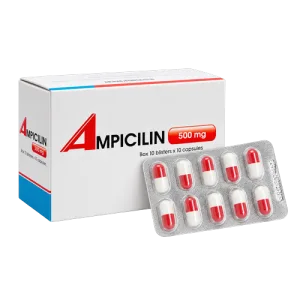
Ampicillin
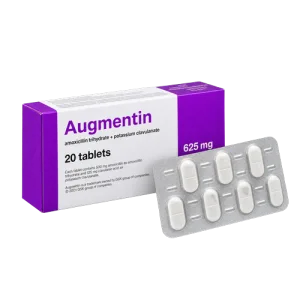
Augmentin
Bactrim
Ciplox
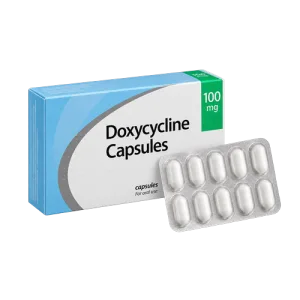
Doxycycline
Minocycline
Sources
- U.S. Food and Drug Administration (2024). MINOCIN (minocycline hydrochloride) Capsules: Prescribing Information.
- American Academy of Dermatology Association (2024). Guidelines of Care for the Management of Acne Vulgaris.
- World Health Organization (2023). Antimicrobial resistance: Fact sheet.
- European Medicines Agency (2023). Summary of Product Characteristics (SmPC) — minocycline.